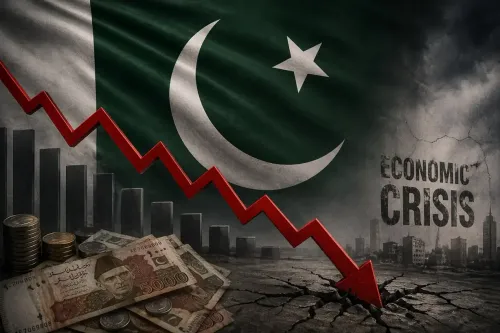
Is Pakistan's Power Sector Crippling the Economy?
Synopsis
As Pakistan grapples with a severe power crisis, consumers face soaring electricity bills and frequent outages. This situation, attributed to mismanagement and corruption, reveals a deep-seated issue within the nation's power infrastructure. What are the implications for industries and households alike in this ongoing struggle?
Key Takeaways
Pakistan's power sector is in crisis .
Consumers face high bills and frequent outages.
Key issues include misgovernance and corruption.
Industries and small businesses are severely affected.
Urgent reforms are needed for sustainable solutions.
New Delhi, Jan 22 (NationPress) The power sector in Pakistan is currently grappling with a significant crisis, as consumers are burdened with exorbitant electricity bills while experiencing persistent outages. Reports from Pakistani media have linked this turmoil to issues such as misgovernance, corruption, underinvestment, and an unpredictable policy.
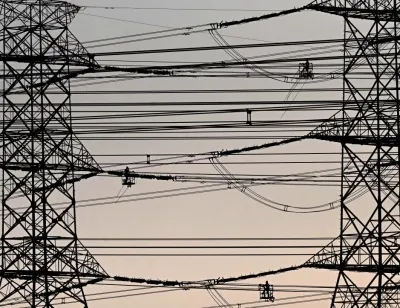
According to a recent analysis by Nepra, the national transmission system is fundamentally flawed. A report in the Express Tribune describes it as an indictment of years of neglect. Today, one of the largest transmission networks globally is hindered by a troubling combination of overloading and underutilization.
Key components of the system, especially the 500kV and 220kV lines, are frequently overloaded, especially during peak summer demand. For years, transformers at major grid stations have been functioning at over 80% of their rated capacity, teetering on the brink of voltage instability.
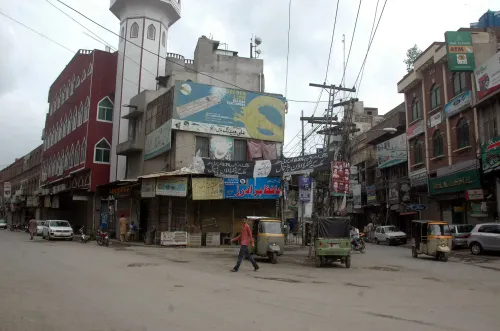
For industries, unreliable and expensive electricity results in diminished output, a decline in export competitiveness, and layoffs. Small businesses face increased operational costs and dwindling margins, while households endure inflated tariffs, irregular supply, and a growing perception that the state is unable to provide essential services effectively, as highlighted in the report.
The actual financial impact remains indeterminate, as Nepra acknowledges, due to the lack of hourly digitized operational data. This means the system is losing money, but no one can quantify the exact amount. Yet, the consequences of this economic mismanagement raise electricity costs for all, lamented the report.
What exacerbates this failure is its longevity. Transmission bottlenecks in regions like Rawat, Sheikhupura, Gatti, Jamshoro, and Muzaffargarh have been recognized for years, yet the National Grid Company has consistently failed to address them. Project delays and cost overruns have become commonplace, inflating capital costs and entrenching the system’s operational inefficiency. Each postponed upgrade quietly siphons billions of rupees from consumers to inefficiency.
The initial corrective measure should involve accelerating the development of high-capacity 500kV and HVDC transmission lines from Jamshoro, Muzaffargarh, and coastal hubs to central Punjab. The second step should be institutional; the grid is a crucial economic infrastructure, and its failure distorts pricing across the economy. Planning for transmission must be elevated to a strategic priority, with long-term investment plans shielded from annual budgetary fluctuations, the article concluded.
Point of View
It's crucial to address the ongoing crisis in Pakistan's power sector with a balanced perspective. The struggles faced by consumers, industries, and small businesses highlight the urgent need for reform and strategic planning to revitalize this essential economic infrastructure.
NationPress
8 Oct 2026
Frequently Asked Questions
What is the main issue facing Pakistan's power sector?
The primary issue is a severe crisis characterized by high electricity bills and frequent outages, largely attributed to misgovernance, corruption, and underinvestment.
How does this crisis impact businesses?
Unreliable and costly electricity leads to reduced output, loss of export competitiveness, and job cuts for industries, while small businesses face higher operational costs.
What are the suggested solutions to the power crisis?
Proposed solutions include fast-tracking the development of high-capacity transmission lines and elevating transmission planning to a strategic function.