South Korea, US defence chiefs meet in Washington on OPCON transfer and nuclear submarines
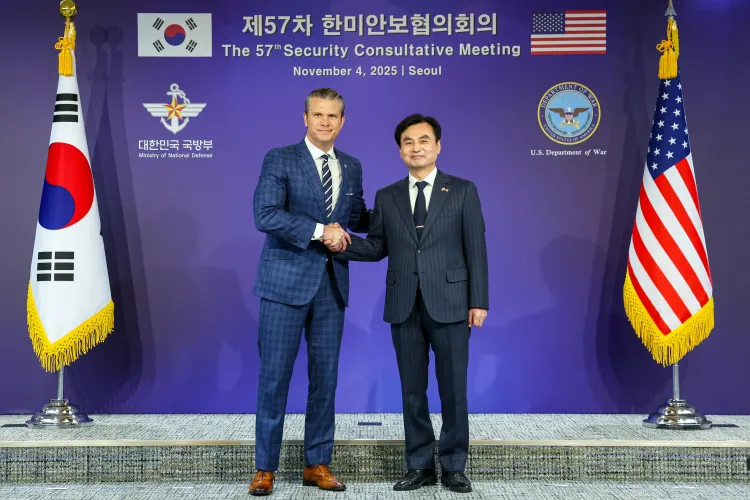
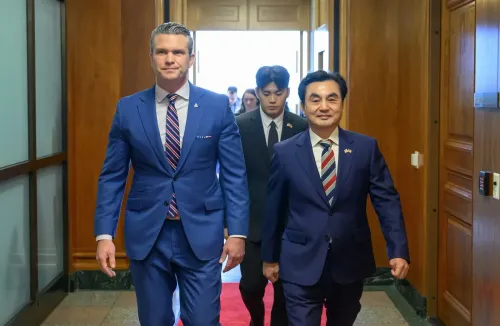
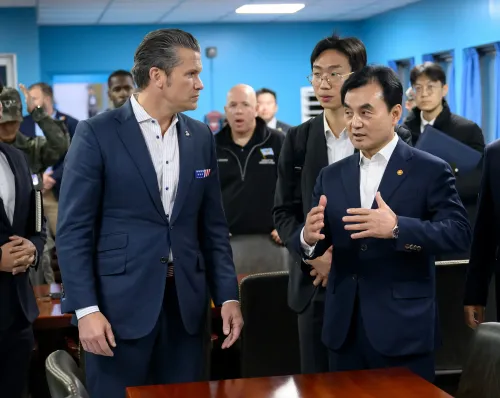
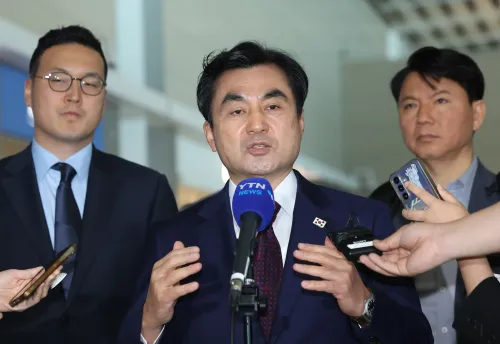
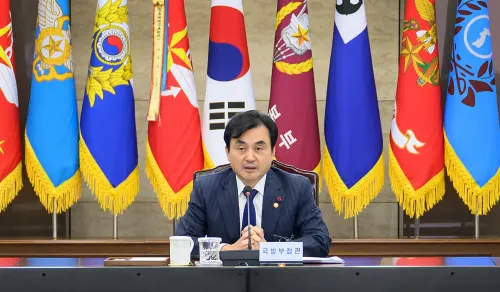
South Korean Defence Minister Ahn Gyu-back and US Defence Secretary Pete Hegseth are set to hold high-stakes talks in Washington on Monday, 12 May 2025, covering the long-delayed transfer of wartime operational control (OPCON) to Seoul and South Korea's bid to acquire nuclear-powered submarines. The meeting also comes in the immediate aftermath of a suspected drone attack on a South Korean-operated cargo vessel in the Strait of Hormuz, an issue that could reshape Seoul's posture in the Middle East.
The OPCON Transfer Dispute
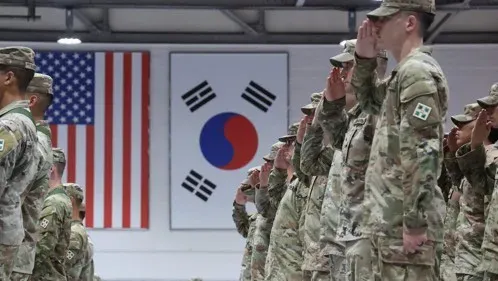
South Korea handed over wartime operational control of its forces to the US-led UN Command during the 1950–53 Korean War. While peacetime OPCON was reclaimed in 1994, wartime command has remained in American hands for over three decades. The Lee Jae Myung government is targeting 2028 for the transfer — while US President Donald Trump is still in office — to complete the handover before the administration's five-year term ends in 2030.
However, a notable divergence has emerged between the two allies. US Forces Korea commander Gen. Xavier Brunson told the US Congress last month that the two sides aim to meet the required conditions no later than the first quarter of 2029 — a timeline that would push the transfer past Trump's term, which ends on 20 January 2029. The gap between Seoul's 2028 target and Washington's early 2029 benchmark is expected to be a central point of discussion on Monday.
Under the agreed three-phase framework, conditions for the transfer include South Korea's capability to lead combined Korea-US forces, its strike and air defence capabilities, and a regional security environment conducive to such a handover. At last year's annual Security Consultative Meeting, Ahn and Hegseth agreed to develop a road map to expedite these conditions and to seek certification of the second stage of the three-part programme.
The Strait of Hormuz Incident
The talks carry added urgency following South Korea's determination on Sunday that the 4 May 2025 explosion and fire aboard the HMM Namu cargo vessel in the Strait of Hormuz was caused by a strike from two unidentified flying objects. The suspected attack has intensified scrutiny of Seoul's stance on Middle East security and raised the possibility that South Korea could reconsider its level of engagement in the region.
Seoul has so far shown reservations about Trump's calls for naval assistance to help reopen the Strait of Hormuz. The government has said it is reviewing a US proposal for an international coalition aimed at ensuring freedom of navigation in the shipping lane, dubbed the