Will South Korea's Defence Minister Accelerate the Return of Wartime Control?
Synopsis
In a bold move, South Korea's Defence Minister Ahn Gyu-back has pledged to expedite the transfer of wartime operational control from the U.S., aiming for a significant shift in military strategy. This article delves into the implications of this commitment and the timeline set for these critical changes.
Key Takeaways
Ahn Gyu-back emphasizes the urgency of regaining OPCON.
South Korea plans to establish a roadmap for the transfer by April.
FOC verification is expected by October, crucial for the transfer.
A joint operations command is proposed to enhance military efficiency.
Structural reforms within the military are underway to ensure strategic autonomy.
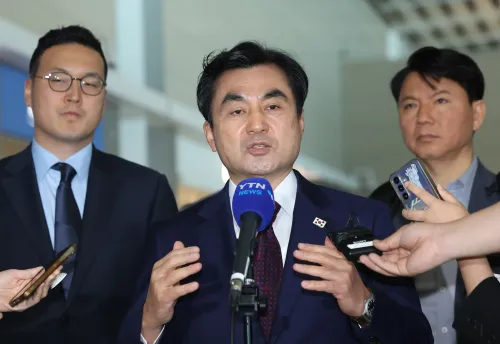
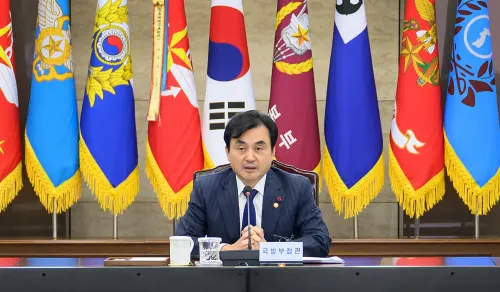
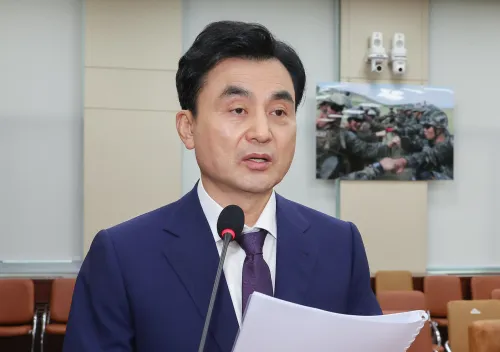
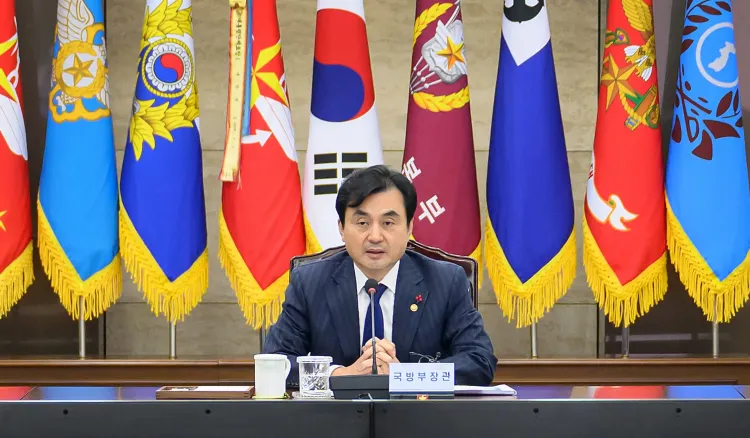
Seoul, Jan 28 (NationPress) South Korea's Defence Minister Ahn Gyu-back reaffirmed the intention to restore wartime operational control (OPCON) of South Korean forces from the United States during a meeting on Wednesday. He promised to expedite efforts this year regarding the anticipated transfer.
Ahn made these statements while addressing around 170 key officials from the defence ministry, military leaders, and related personnel to evaluate the advancement of the OPCON transition, as reported by Yonhap News Agency.
South Korea aims to regain OPCON, which is currently under U.S. control, on a conditional basis within the five-year term of President Lee Jae Myung, concluding in 2030.
"The year 2026 should signify the beginning of the restoration of wartime operational control," Ahn stated. "Through the OPCON transfer, our military will achieve a more robust operational readiness based on six component commands, fostering an unparalleled South Korea-U.S. alliance in global history."
The ministry is set to formulate a roadmap for the OPCON transfer by April, followed by the verification of Seoul's Full Operational Capability (FOC) by October, which will help determine the timing for the official transfer, according to Ahn and his ministry.
Seoul plans to establish the transfer's timing after both the South Korean and U.S. defence ministers endorse the FOC verification at their upcoming Security Consultative Meeting in October.
FOC is the second phase of a three-part evaluation program that assesses Seoul's ability to command allied forces for the restoration of wartime control. Currently, Seoul is in the second stage of this assessment.
The defence ministry announced it will conduct quarterly assessments of the OPCON transfer progress this year, increasing from the previous annual assessments, aiming to complete the FOC verification process within the year.
On January 20, South Korea's defence ministry disclosed that a special advisory committee focused on military reform has recommended the establishment of a joint operations command as South Korea seeks the transfer of wartime operational control (OPCON) from the U.S.
The committee's suggestions, which include civilian, government, and military officials, come as South Korea aims to achieve a conditions-based OPCON transfer from Washington by the end of President Lee Jae Myung's term in 2030.
"(The committee) proposed the creation of a joint operations command to unify the command structure and improve the efficacy of wartime and peacetime operational command," the ministry stated in a release.
As part of the structural changes, the military has been advised to redefine the role and mission of the Strategic Command to enhance its strategic autonomy and emphasize the necessity of launching a space command to adapt to evolving space security dynamics and future warfare trends.
The Drone Operations Command is recommended to be disbanded due to overlapping functions within military branches, according to the ministry.
Point of View
South Korea's commitment to regaining wartime operational control reflects a significant shift towards increased autonomy in military operations. While this move aims to strengthen the South Korea-U.S. alliance, it also necessitates careful navigation of geopolitical complexities. The nation's approach emphasizes readiness and reform, highlighting the importance of strategic partnerships in maintaining regional stability.
NationPress
19 Sept 2026
Frequently Asked Questions
Why is the transfer of OPCON significant?
The transfer of OPCON is significant as it reflects South Korea's desire for greater military autonomy and readiness, allowing the nation to lead its own military operations in times of conflict.
What is the timeline for the OPCON transfer?
South Korea aims to regain OPCON on a conditional basis by 2026, with a roadmap for the transfer planned by April and verification of Full Operational Capability (FOC) set for October.
What are the implications of establishing a joint operations command?
Establishing a joint operations command aims to unify the command structure, enhancing operational efficiency and readiness for both wartime and peacetime scenarios.
How will this affect the South Korea-U.S. alliance?
The move to regain OPCON is intended to strengthen the South Korea-U.S. alliance by fostering a more balanced partnership, where both nations collaborate closely while respecting South Korea's military autonomy.