CM Bhupendra Patel Inaugurates ₹48.22 Cr Vapi Sub-District Hospital
Synopsis
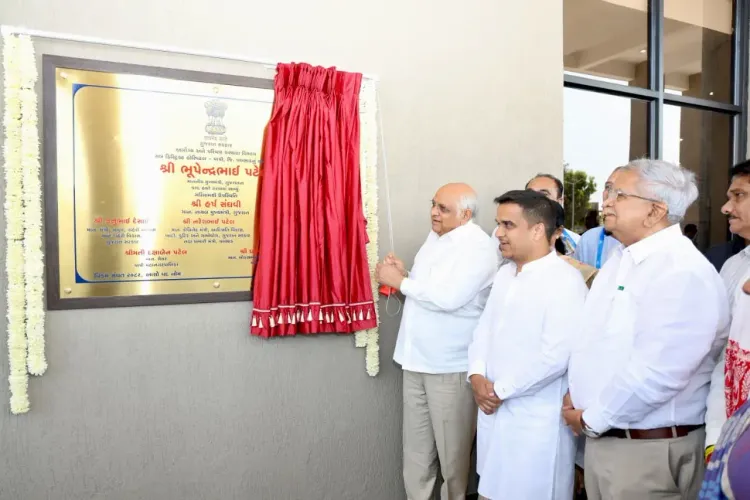
Chief Minister Bhupendra Patel inaugurated a newly built ₹48.22 crore sub-district hospital in Vapi, Gujarat, on November 3, 2026. The facility offers 150 beds, 13 specialist OPDs, four operation theatres, haemodialysis, laboratory, X-ray, and sonography services to Vapi and surrounding residents.
Key Takeaways
A ₹48.22 crore sub-district hospital was inaugurated in Vapi, Valsad district, Gujarat on November 3, 2026 .
CM Bhupendra Patel performed the inauguration; Deputy CM Harsh Sanghavi , Finance Minister Kanubhai Desai , and Tribal Development Minister Naresh Patel were present.
The hospital provides 150 indoor beds , an emergency department , and 13 specialist OPDs including physicians, surgeons, gynaecologists, and paediatricians.
Infrastructure includes 4 operation theatres , haemodialysis facilities, laboratory, X-ray, and sonography services.
The project advances Gujarat's strategy of decentralising specialist care to sub-district level, in line with the Ayushman Bharat framework.
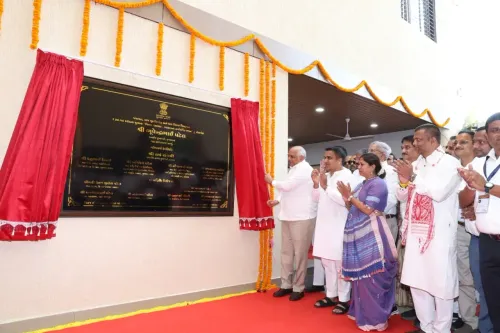
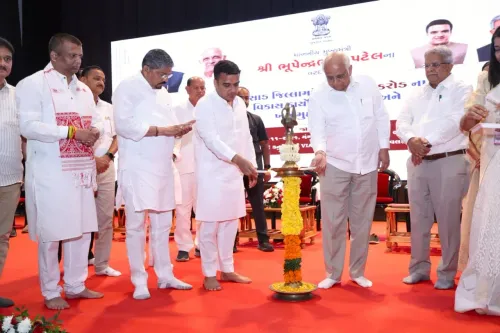
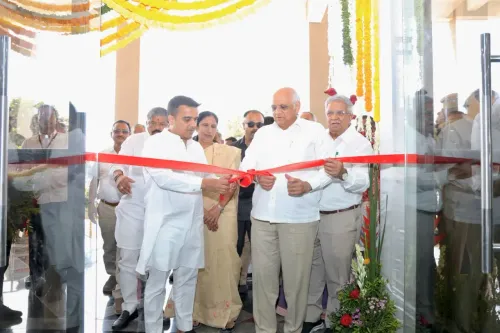
A ₹48.22 crore sub-district hospital in Vapi — a bustling industrial town in Valsad district, Gujarat — opened its doors on Tuesday, November 3, 2026, bringing specialist healthcare infrastructure to a community long dependent on district-level facilities. The Chief Minister's Office of Gujarat announced the inauguration under the hands of Chief Minister Bhupendra Patel, flanked by senior cabinet colleagues.
What the new Vapi hospital actually offers
The facility is no token upgrade. It comes equipped with 150 indoor beds, an emergency department, and 13 specialist OPDs — covering physicians, surgeons, gynaecologists, and paediatricians, among others. Four state-of-the-art operation theatres add surgical capacity that was previously unavailable at this level of care in the area.
Beyond the wards, the hospital houses haemodialysis facilities, a fully equipped laboratory, and X-ray and sonography services — the kind of diagnostic stack that typically draws patients to distant district hospitals or private clinics. Residents of Vapi and the surrounding communities will now have access to this range of secondary care without the travel burden.
Senior cabinet presence signals political weight
Deputy Chief Minister Harsh Sanghavi, Finance and Urban Development Minister Kanubhai Desai, and Tribal Development Minister Naresh Patel were all present at the inauguration alongside other dignitaries. The ministerial lineup is telling: Vapi sits at the intersection of industrial Gujarat and its tribal hinterland, and the hospital is positioned to serve both constituencies.
Gujarat's push to decentralise specialist care
The Vapi hospital fits squarely into a pattern Gujarat has been building for over a decade — moving specialist services down from district hospitals to sub-district facilities to cut travel time and improve access in semi-urban and industrial corridors. That strategy aligns with the national architecture of Ayushman Bharat, which has pushed states to strengthen secondary-level care as the spine of public health delivery.
For an industrial town like Vapi — home to one of India's densest chemical and manufacturing clusters — the calculus is straightforward: a large working population, occupational health risks, and historically limited public healthcare options. A 150-bed specialist facility changes that equation meaningfully.
Gujarat now has a live test case. Operational metrics — patient footfall, speed of specialist recruitment, and whether similar projects follow in other sub-districts — will determine whether the ₹48.22 crore investment translates into the access it promises.
Point of View
The government is also signalling outreach to tribal communities in Valsad's hinterland, ahead of a period when welfare delivery is a key electoral metric. The real test will be whether the facility is staffed to its stated specialist capacity; sub-district hospitals across India have a well-documented gap between infrastructure commissioning and actual service delivery. If Gujarat closes that gap in Vapi, it sets a replicable template for its other industrial corridors.
NationPress
3 Nov 2026
Frequently Asked Questions
Where is the new sub-district hospital in Gujarat located?
The newly inaugurated sub-district hospital is located in Vapi , an industrial town in Valsad district, Gujarat .
How much did the Vapi sub-district hospital cost to build?
The hospital was built at a cost of ₹48.22 crore , as announced by the Chief Minister's Office of Gujarat.
What facilities are available at the new Vapi hospital?
The hospital offers 150 indoor beds , an emergency department, 13 specialist OPDs , 4 operation theatres , haemodialysis, laboratory, X-ray, and sonography services, staffed by specialist doctors including physicians, surgeons, gynaecologists, and paediatricians.
Who inaugurated the Vapi sub-district hospital?
Chief Minister Bhupendra Patel inaugurated the hospital on November 3, 2026 , in the presence of Deputy CM Harsh Sanghavi, Finance Minister Kanubhai Desai, and Tribal Development Minister Naresh Patel.
How does this hospital fit into Gujarat's healthcare policy?
It is part of Gujarat's ongoing effort to decentralise specialist care from district hospitals to sub-district facilities, aligned with the national Ayushman Bharat framework for strengthening secondary healthcare.