CM Bhupendrabhai Opens Natural Farming Sales Hub in Valsad
Synopsis
Chief Minister Bhupendrabhai Patel inaugurated a model natural farming produce sales centre on Tithal Road, Valsad, alongside Finance Minister Kanubhai Desai, aiming to create market linkages for chemical-free farm produce and raise consumer awareness across Gujarat.
Key Takeaways
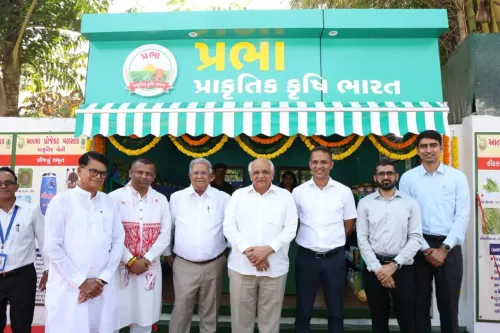
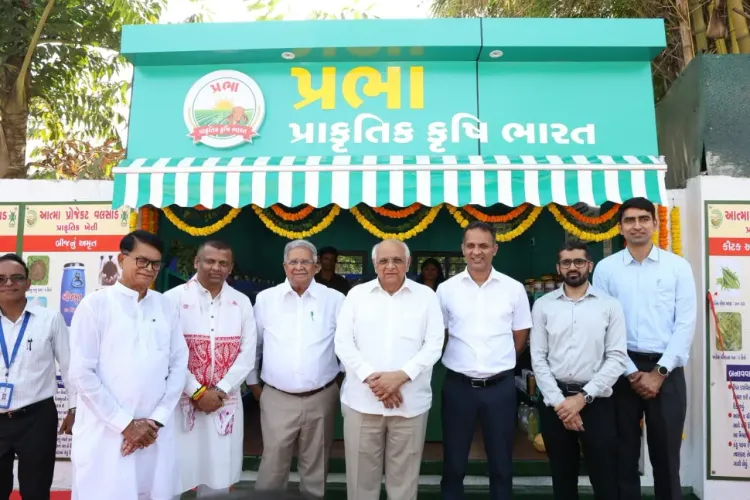
CM Bhupendrabhai Patel inaugurated the 'Prabha Prakrutik Krishi Khet Utpadan Vechhan Kendra' on Tithal Road, Valsad on November 3, 2026 .
Finance and Urban Development Minister Kanubhai Desai was present at the inauguration alongside other dignitaries.
The centre is designed as a model sales hub to provide natural farming produce with market access and a direct consumer channel.
The initiative targets both farmer encouragement and public awareness about naturally farmed, chemical-free produce.
The centre fits within Gujarat's broader alignment with India's Paramparagat Krishi Vikas Yojana framework, launched nationally in 2015 .
Replication of this model in other Gujarat districts is the stated next step.
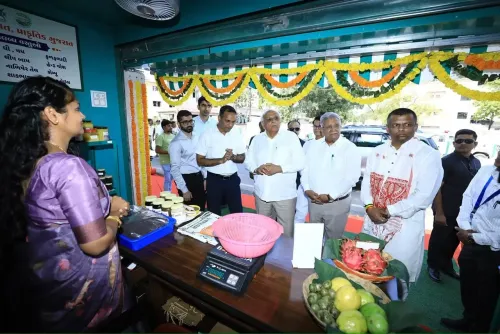
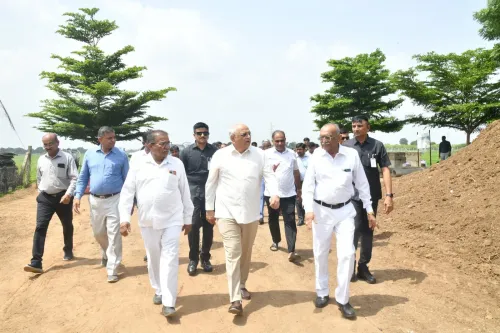
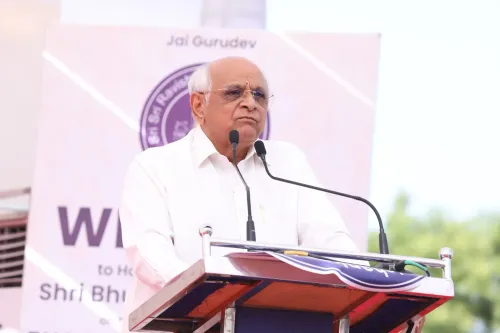
A new retail link between Gujarat's natural farmers and everyday consumers opened on Tithal Road, Valsad on Tuesday, November 3, 2026, when Chief Minister Bhupendrabhai Patel inaugurated the 'Prabha Prakrutik Krishi Khet Utpadan Vechhan Kendra' — a dedicated model sales centre designed to bring chemical-free farm produce directly to citizens.
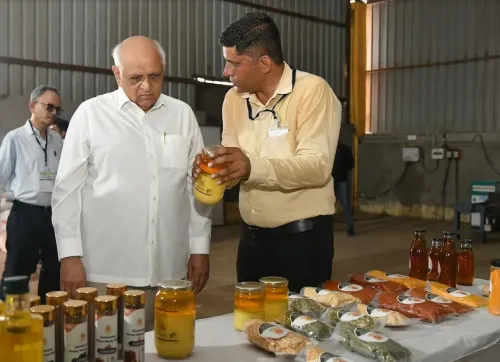
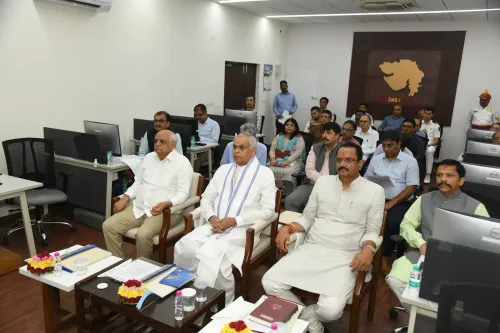
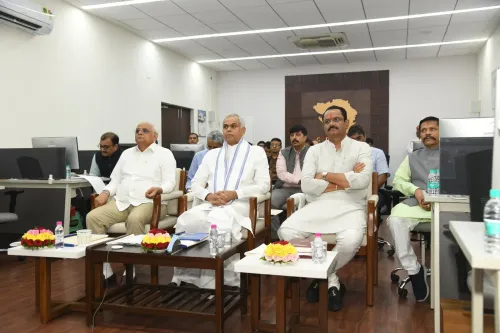
The Chief Minister's Office of Gujarat posted that CM Bhupendrabhai Patel launched the centre in the presence of Finance and Urban Development Minister Kanubhai Desai and other dignitaries, and personally sought detailed information about the range of products available there. The post describes the centre's purpose as ensuring 'proper sales infrastructure and market access for naturally farmed produce, so that citizens can easily obtain quality natural farming products.'
Valsad's Tithal Road centre as a state-wide template
The centre is explicitly positioned as a model centre — a proof-of-concept meant to be replicated across Gujarat's districts. That framing matters: the state is not just opening a shop, it is stress-testing a supply chain that has historically been the weakest link in natural and organic farming programmes. Farmers can produce; finding buyers at fair prices has always been harder.
Valsad district, in Gujarat's southern coastal belt, is a region with a strong tradition of horticulture and tribal agriculture, making it a meaningful test bed for market-linkage experiments. If the Tithal Road centre builds steady footfall and farmer enrolment, the model becomes easier to scale northward through the state.
From soil health to shelf space: the policy arc behind the inauguration
India's push toward natural and organic farming picked up institutional momentum with the Paramparagat Krishi Vikas Yojana, launched nationally in 2015, which encouraged cluster-based organic farming and reduced chemical input dependence. Gujarat adopted the framework at the state level and has since layered on its own natural-farming initiatives aimed at lowering input costs for smallholders.
What dedicated consumer-facing sales centres add to that lineage is a demand-side anchor. Awareness among consumers is listed alongside farmer support as an explicit goal — the centre is expected to act as both a marketplace and an education point, letting shoppers understand the difference and the value of naturally farmed goods.
What this means for Gujarat's farming community
For farmers who have already made the shift to natural methods — forgoing synthetic fertilisers and pesticides — the absence of reliable market infrastructure has been a persistent disincentive. A state-backed sales centre with guaranteed visibility addresses that gap directly. The CM's office noted that the initiative will 'encourage farmers practising natural farming while also raising public awareness about natural agriculture.'
The presence of Finance Minister Kanubhai Desai at the inauguration is a signal worth noting: budget backing and urban-development integration are on the table, not just agricultural department goodwill.
Whether one model centre in Valsad becomes ten across Gujarat depends on footfall data, farmer uptake, and the next state budget cycle — but today, the shelf space exists. The produce needs to fill it.
Point of View
But replication will test whether state patronage can sustainably substitute for organic market demand. The attendance of the Finance Minister suggests budget integration is being considered, which would give the programme more staying power than departmental pilots typically enjoy. For the BJP government in Gujarat, visible farmer-welfare action ahead of any electoral cycle also carries political utility, even if the policy rationale is genuinely sound.
NationPress
3 Nov 2026
Frequently Asked Questions
What is the Prabha Prakrutik Krishi Khet Utpadan Vechhan Kendra in Valsad?
It is a state-backed model sales centre inaugurated on Tithal Road, Valsad, by Chief Minister Bhupendrabhai Patel on November 3, 2026, to sell naturally farmed produce and raise consumer awareness about chemical-free agriculture.
Who inaugurated the natural farming centre in Valsad?
Chief Minister Bhupendrabhai Patel inaugurated the centre, with Finance and Urban Development Minister Kanubhai Desai and other dignitaries present at the event.
What is the purpose of this natural farming sales centre?
The centre aims to provide natural farming farmers with a reliable marketplace, give consumers easy access to quality chemical-free produce, and serve as a replicable model for similar centres across Gujarat.
How does this centre fit into Gujarat's natural farming policy?
Gujarat has aligned with India's Paramparagat Krishi Vikas Yojana since 2015, which promotes organic and natural farming clusters. This centre adds a consumer-facing market-linkage layer to that existing framework.
Will more such centres open in other parts of Gujarat?
The Valsad centre has been designated a 'model centre,' and the expectation is that successful results will lead to similar outlets in other Gujarat districts, though specific timelines have not been announced.