CM Bhupendra Patel Visits Model Farm at Shivpura Kampa
Synopsis
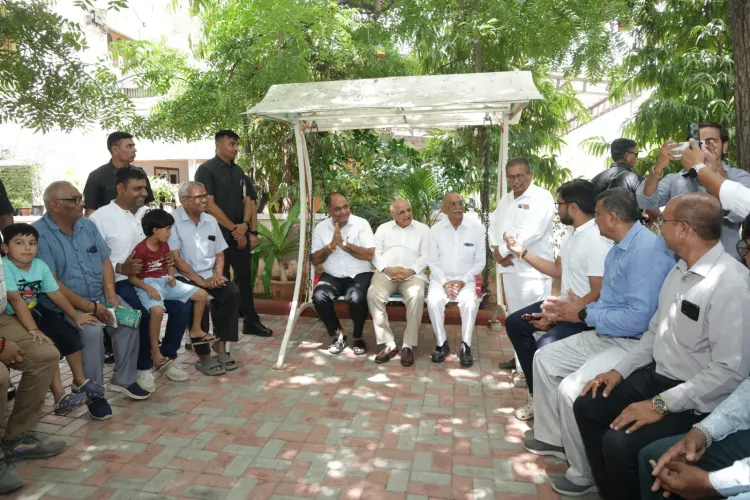
Gujarat Chief Minister Bhupendra Patel visited progressive farmer Shantilal Patel's model farm at Shivpura Kampa on 18 July 2026, learning about crop production practices and briefing local farmers on government agriculture schemes in a direct ground-level outreach.
Key Takeaways
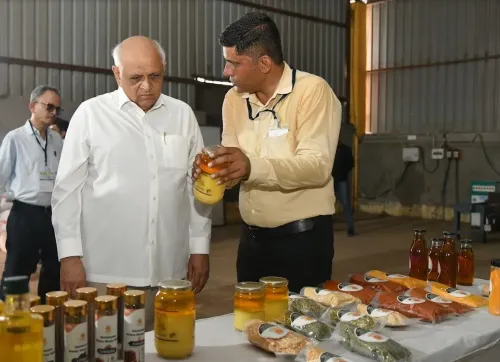
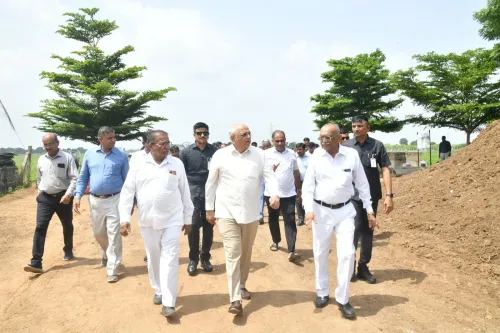
CM Bhupendra Patel visited the model farm of Shantilal Patel at Shivpura Kampa, Gujarat on 18 July 2026 .
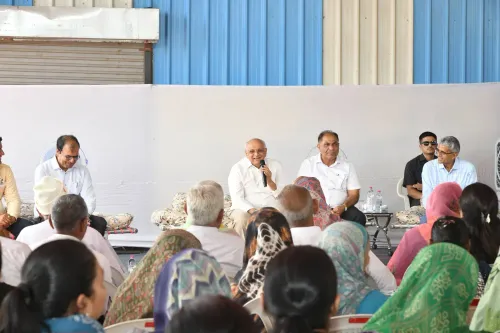
The Chief Minister discussed agricultural production experiences directly with the progressive farmer and local cultivators.
Farmers were briefed on the benefits of multiple state and central government agriculture-focused initiatives, including schemes such as PM-KISAN .
The visit is part of a broader BJP-Gujarat pattern of using model-farm demonstrations for scheme outreach and best-practice promotion.
CM Patel expressed personal satisfaction at engaging with farmers and experiencing village life first-hand.
Gujarat Chief Minister Bhupendra Patel visited the model farm of progressive farmer Shantilal Patel at Shivpura Kampa on Saturday, 18 July 2026, engaging directly with local cultivators on agricultural production practices and the benefits of state and central government farm schemes.
Context
Posting in Gujarati on X, CM Patel described the visit as 'vachhat ek majano avasar' — 'yet another delightful occasion' to meet the state's progressive farmers. He said he learnt from Shantilal Patel's hands-on experience in crop production and also informed local farmers about the benefits of the government's various agriculture-focused initiatives.
'I am happy to have had the opportunity to enjoy the fragrance of village soil and greenery alongside hardworking farmers,' he wrote, capturing the tone of a ground-level outreach visit rather than a formal policy event.
Policy Backdrop
The visit fits within a sustained pattern of BJP-led Gujarat governments using high-profile farm visits to spotlight best practices and publicise scheme uptake. The central government's PM-KISAN scheme, launched in 2019, provides direct income support to landholding farmers across India, with Gujarat among the states involved in its implementation.
State-level outreach through model-farm demonstrations has been a recurring feature of Gujarat's agricultural extension approach, designed to bridge the gap between scheme design and farmer awareness on the ground. These visits also feed into larger events such as the state's annual Krishi Mahotsav, which promotes technology adoption and productivity improvements among cultivators.
Stakeholders and Impact
The primary beneficiaries of such engagements are Gujarat's farming communities, particularly smallholders who may be unaware of entitlements under central and state schemes. Progressive farmers like Shantilal Patel serve as demonstration anchors — their documented successes are used to motivate adoption of improved practices among neighbouring cultivators.
For the state government, direct interactions of this kind generate on-the-ground feedback about scheme implementation gaps and allow senior leadership to signal continued commitment to the agrarian constituency, which remains politically significant in Gujarat.
What's Next
Observers of Gujarat's agricultural policy will watch for any follow-up announcements — whether in upcoming state budget allocations or through new model-farm demonstration programmes — that may be informed by ground-level feedback gathered during visits such as this one. The broader national emphasis on farmer welfare and technology adoption suggests that such outreach is likely to intensify ahead of key agricultural seasons and political calendars.
Point of View
Ground-level presence, the government reinforces its farmer-welfare credentials at a time when agricultural policy remains central to national political discourse. The choice to highlight a named, identifiable 'progressive farmer' as a model is a classic extension-service technique now amplified through social media, giving the visit reach well beyond the village. How consistently these engagements translate into measurable scheme uptake will be the real test of the approach.
NationPress
17 Oct 2026
Frequently Asked Questions
Why did Gujarat CM Bhupendra Patel visit Shivpura Kampa?
CM Bhupendra Patel visited Shivpura Kampa on 18 July 2026 to tour the model farm of progressive farmer Shantilal Patel, learn about his crop production methods, and brief local farmers on government agricultural scheme benefits.
Who is Shantilal Patel and why is his farm significant?
Shantilal Patel is a progressive farmer in Gujarat whose model farm at Shivpura Kampa was chosen for a Chief Ministerial visit to showcase best agricultural practices and encourage adoption among neighbouring cultivators.
What government schemes were discussed during CM Patel's farm visit?
CM Patel informed local farmers about various state and central agriculture-focused initiatives; the central PM-KISAN scheme, which provides direct income support to landholding farmers, is among the key programmes implemented in Gujarat.
What is Gujarat's Krishi Mahotsav?
Krishi Mahotsav is an annual agricultural outreach event organised by the Gujarat government to promote technology adoption, improved farming practices, and scheme awareness among the state's farming communities.
How often does CM Bhupendra Patel visit farmers in Gujarat?
CM Bhupendra Patel has maintained a pattern of direct outreach visits to farmers and model farms as part of the BJP-led Gujarat government's sustained engagement with the state's agrarian communities.