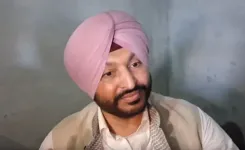
CM Bhupendra Patel Highlights Rural Welfare Gains in Gujarat

Synopsis
The Chief Minister's Office of Gujarat on 19 June 2026 shared a video update in Gujarati highlighting rural development gains under CM Bhupendra Patel, emphasising happiness, convenience and prosperity for last-mile village residents under the 'Gujarat Always Ahead' campaign.
Key Takeaways
The Chief Minister's Office of Gujarat posted a rural welfare update on 19 June 2026 under the hashtag #અગ્રેસર_ગુજરાત ('Gujarat Ahead').
Chief Minister Bhupendra Patel has led Gujarat since September 2021 , with rural development as a stated governance priority.
The post emphasises reaching last-mile rural residents — described as છેવાડાના માનવી — with happiness, convenience and prosperity.
Gujarat's rural development framework draws on the 73rd Constitutional Amendment (1993) , which devolved planning powers to village panchayats.
The update is part of a periodic social-media communication pattern used by the state government to highlight welfare outcomes ahead of budget and performance review cycles.
The Chief Minister's Office of Gujarat on Friday, 19 June 2026, shared a social-media update spotlighting rural development achievements under Chief Minister Bhupendra Patel, framing the state's outreach to its remotest residents as a defining feature of its governance model.
The post, published in Gujarati, opens with the phrase સદા અગ્રેસર ગુજરાત ('Gujarat, always ahead') and invites citizens to learn about news from the state that, under CM Patel's leadership, is working to ensure સુખ, સુવિધા અને સમૃદ્ધિ — 'happiness, convenience and prosperity' — for the last person in the village through rural development. The update was accompanied by a video and tagged with the campaign hashtag #અગ્રેસર_ગુજરાત ('Agreshar Gujarat' or 'Gujarat Ahead').
Context
Bhupendra Patel has led Gujarat as Chief Minister since September 2021, continuing the state's long-standing emphasis on bringing welfare infrastructure to rural and semi-urban areas. The phrase 'last-mile resident' — છેવાડાના માનવી in Gujarati — is a recurring anchor in the state government's public communication, signalling a policy priority of ensuring that centrally and state-funded schemes reach households beyond district headquarters and taluka towns. The post is part of a series of periodic social-media updates the Chief Minister's Office uses to consolidate and communicate welfare outcomes to a digitally connected audience, reinforcing the administration's narrative of inclusive growth.Policy Backdrop
Gujarat has built its rural development architecture on the foundation of the 73rd Constitutional Amendment of 1993, which mandated the strengthening of Panchayati Raj institutions and the devolution of planning and service-delivery powers to village-level bodies. Over successive governments, the state has layered state-funded programmes on top of central schemes in areas such as housing, drinking water, rural roads, and local governance capacity. The current administration under CM Patel has continued this pattern, combining the implementation of centrally sponsored schemes with Gujarat-specific interventions designed to address gaps in last-mile delivery. Periodic communication campaigns of this nature are typical in the run-up to budget sessions or mid-term performance reviews, when state governments highlight welfare outcomes to build public confidence.Stakeholders and Impact
The primary beneficiaries of the rural development agenda highlighted in this communication are rural households and village panchayats across Gujarat's districts. For rural residents — particularly those in geographically remote or economically marginalised areas — improvements in housing, water access, road connectivity, and local governance directly translate into quality-of-life gains. Village panchayats, empowered through devolution of funds and functions, serve as the key institutional channel through which these welfare outcomes are delivered. The state government's emphasis on last-mile reach reflects an acknowledgement that aggregate development indicators can mask deep intra-state disparities between urban centres and hinterland villages.What's Next
Attention will now turn to Gujarat's next state budget presentation and any mid-term review of ongoing panchayat-level schemes, which are expected to reveal fresh allocations for rural development. Policy watchers will look for specific project announcements, disbursement figures, and coverage data that can substantiate the broad welfare narrative the Chief Minister's Office has put forward. Continued social-media campaigns under the #અગ્રેસર_ગુજરાત banner are likely to follow as the government builds its pre-budget communication cycle.Point of View
Designed to sustain a positive governance narrative between substantive budget or scheme launches. Observers will watch whether the next budget or mid-term review provides the concrete numbers to back the broad claims implied by this campaign.
NationPress
18 Sept 2026
Frequently Asked Questions
What is the 'Agreshar Gujarat' campaign?
'Agreshar Gujarat' or અગ્રેસર ગુજરાત means 'Gujarat Always Ahead' and is a social-media communication campaign used by the Chief Minister's Office of Gujarat to highlight development and welfare achievements under CM Bhupendra Patel, particularly in rural areas.
Who is Bhupendra Patel and what has he done for rural Gujarat?
Bhupendra Patel has served as Chief Minister of Gujarat since September 2021. His administration has continued the state's emphasis on last-mile rural welfare delivery, combining centrally sponsored schemes with state-funded projects in housing, water, roads and local governance.
What does 'last-mile resident' mean in Gujarat's rural development context?
The term — rendered in Gujarati as છેવાડાના માનવી — refers to residents of remote villages and marginalised communities who are the furthest from urban services and government offices, and whom the state government says it prioritises in welfare delivery.
How does Gujarat's panchayati raj system support rural development?
Gujarat strengthened its Panchayati Raj institutions following the 73rd Constitutional Amendment of 1993 , devolving planning and service-delivery powers to village-level bodies, which now serve as the primary channel for implementing rural welfare schemes.
What should I watch for next on Gujarat's rural development policy?
The next Gujarat state budget presentation and any mid-term review of panchayat-level schemes are the key events to watch, as they are expected to contain specific allocations, project names and coverage data related to the rural welfare agenda highlighted in this campaign.