Are South Korea and the US Planning a Timeline for Wartime Command Handover?
Synopsis
Seoul and Washington are contemplating a timeline for the transition of wartime operational control to South Korea, targeting 2028. This significant move is tied to South Korea's quest for self-reliant defense amidst ongoing tensions with North Korea. The annual defense talks could pave the way for a historic shift in military command.
Key Takeaways
Timeline for OPCON transition being explored for 2028.
South Korea aims for a conditions-based handover of wartime command.
Focus on achieving full operational capability as part of the transition process.
Emphasis on South Korea’s self-reliant defense strategy.
Annual Freedom Shield exercise planned to validate transition conditions.
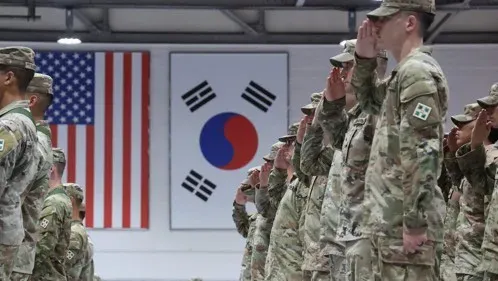
Seoul, Feb 4 (NationPress) South Korea and the United States are exploring the possibility of establishing a timeline for the transfer of wartime operational control (OPCON) from Washington to Seoul during their annual defense ministerial discussions this year, as reported by a source on Wednesday. The year 2028 is broadly perceived as a feasible target for this transition.
The initiative aligns with South Korea's aspirations to achieve a conditions-based handover of wartime command, currently under US authority, within the five-year term of President Lee Jae Myung, which concludes in 2030.
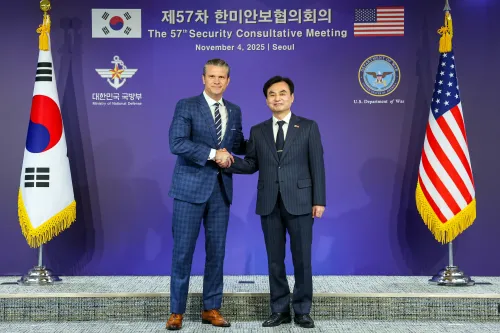
According to the plan, both nations aim to finalize the verification of Seoul's full operational capability (FOC), the second phase of a tri-stage evaluation to determine its ability to command the allied forces. The outcomes will be subject to approval by their defense chiefs during the annual Security Consultative Meeting (SCM), as reported by Yonhap news agency.
With US President Donald Trump’s term ending in January 2029, 2028 is seen as a potential timeline for South Korea's long-standing objective to regain OPCON, a goal that has faced delays primarily due to North Korea's nuclear and missile threats.
A more detailed timeline is anticipated to be established once the defense leaders of both countries propose a schedule during the SCM and advance to the third and final phase of verification, known as full mission capability (FMC). The FMC is largely viewed as contingent upon a political assessment by the leaders of both nations.
This momentum is expected to increase as President Lee emphasizes the need for self-reliant defense, and the new US National Defense Strategy asserts that South Korea can assume primary responsibility for deterring North Korea with critical, yet limited US support.
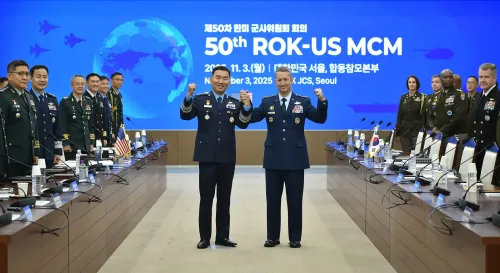
During last year’s SCM, the defense chiefs of both allies concurred to devise a roadmap aimed at accelerating the conditions for the OPCON transfer.
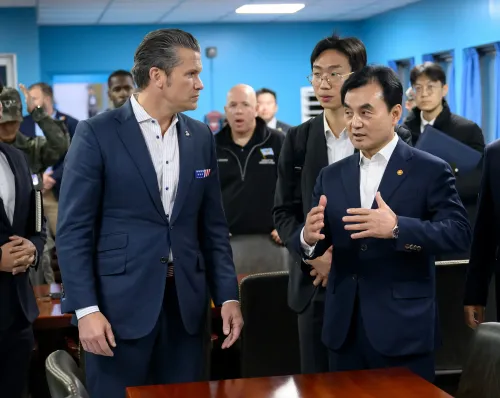
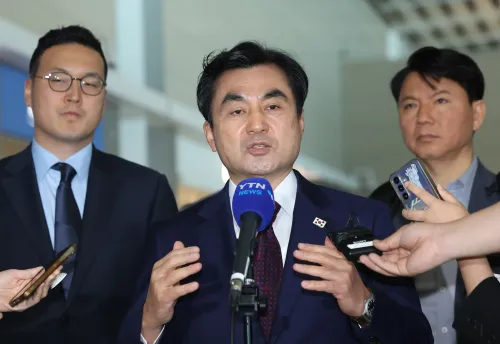
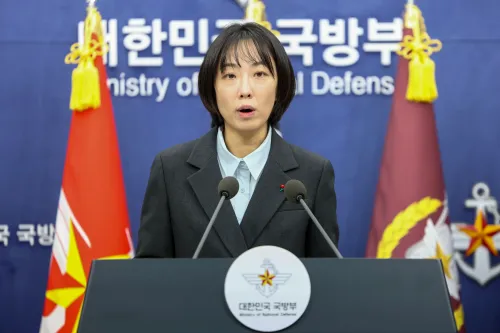
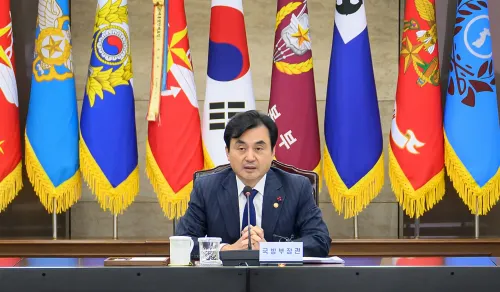
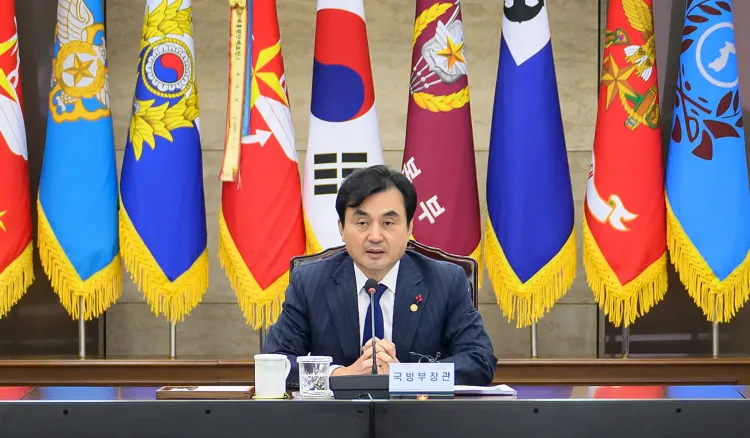
Last month, Defense Minister Ahn Gyu-back reiterated this commitment during a meeting with key defense and military officials, asserting that this year would mark the beginning of the restoration of wartime control, a mission that must be accomplished.
South Korea transferred operational control of its military to the US-led UN Command during the 1950-53 Korean War, which was subsequently shifted to the Combined Forces Command of the two allies in 1978.
South Korea regained only peacetime operational control in 1994.
The allies have been striving to fulfill the conditions necessary for the anticipated transfer, which includes South Korea's capabilities to lead the combined Korea-US forces, its strike and air defense capabilities, and a regional security environment favorable to such a transition.
In preparation for this handover, South Korea and the US are reportedly set to conduct their annual springtime Freedom Shield exercise next month, which serves to validate the conditions for the transition.
Point of View
This development signifies a pivotal moment in South Korea's military evolution. The proposed timeline for the OPCON transfer not only reflects the nation’s growing capabilities but also highlights the importance of self-reliance in defense. It is crucial that both nations navigate this transition carefully to maintain regional stability.
NationPress
28 Sept 2026
Frequently Asked Questions
Why is the year 2028 significant?
2028 is considered a potential target year for South Korea to regain wartime operational control from the US amid ongoing security concerns.
What are the stages of the OPCON transition?
The OPCON transition involves a three-stage program, including full operational capability (FOC) and full mission capability (FMC) assessments.
How has North Korea influenced the OPCON transfer?
North Korea's nuclear and missile threats have delayed the transfer of wartime operational control to South Korea.
What is the Freedom Shield exercise?
The Freedom Shield exercise is an annual military drill conducted by South Korea and the US to verify conditions for the OPCON transition.