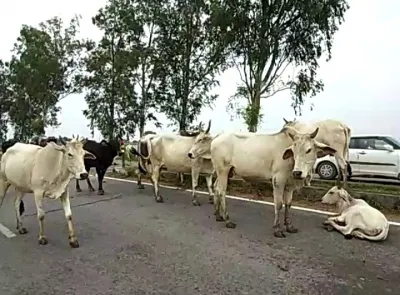
Chhindwara wedding turns health emergency: 200+ vaccinated after rabies-infected cow milk consumed

Synopsis
A joyous wedding in Chhindwara's Bhaisadand village turned into a health scare after guests drank buttermilk and curd made from a rabies-infected cow's milk. More than 200 people have been vaccinated in an emergency drive — a rare but alarming reminder that rabies risk in rural India extends beyond animal bites.
Key Takeaways
A wedding feast in Bhaisadand village , Chhindwara , Madhya Pradesh turned into a health emergency on 8 May 2025 .
Guests unknowingly consumed chhas (buttermilk) and curd made from the milk of a rabies-infected cow .
The cow had reportedly been bitten by a rabid dog days before the wedding and was showing clear symptoms of rabies.
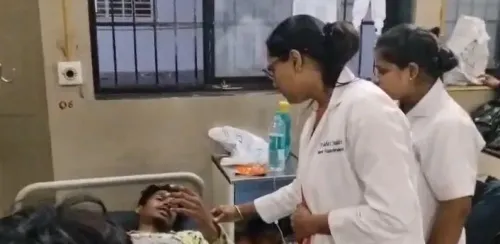
More than 200 people have been administered anti-rabies injections at an emergency camp set up at Bhaisadand Sub-Health Centre .
Health workers are conducting door-to-door visits to trace all potentially exposed individuals.
The Madhya Pradesh Health Department continues to monitor the situation and is running a community awareness campaign.
A wedding celebration in Bhaisadand village, Chhindwara district, Madhya Pradesh spiralled into a public health emergency on 8 May 2025 after guests unknowingly consumed chhas (buttermilk) and curd prepared from the milk of a cow reportedly infected with rabies. The Madhya Pradesh Health Department has since launched an urgent vaccination drive, with more than 200 people already administered anti-rabies injections.
How the Incident Unfolded
Traditional food arrangements at the wedding feast in Bhaisadand included curd and buttermilk, both of which were unknowingly prepared from the milk of a sick cow, according to government sources. Shortly after the feast, villagers learned that the cow had been bitten by a rabid dog days earlier and had begun displaying clear symptoms of rabies. The revelation triggered widespread panic among guests and the broader community, given the invariably fatal nature of the disease once symptoms appear.
Emergency Response by Health Authorities
The district health administration responded swiftly, setting up an emergency medical camp at the Bhaisadand Sub-Health Centre. Doctors immediately began identifying individuals who had consumed the contaminated dairy products. All participants of the marriage ceremony who consumed the suspicious chhas have been identified, officials stated. Health workers are also conducting door-to-door visits to trace others who may have been exposed but did not come forward voluntarily. Officials emphasised that the rapid response was crucial to avert any potential outbreak and to reassure the community, though they reportedly evaded direct replies on certain specifics of the case.
The Public Health Risk of Rabies
Rabies remains a significant public health challenge in rural India, where communities are in frequent contact with domestic and stray animals. While the primary transmission route is through animal bites, health authorities have been alerted to the risks posed by consumption of dairy products from infected animals in this case. The incident underscores the critical importance of veterinary vigilance and timely reporting of animal health conditions, particularly in villages where dairy products form an integral part of community feasts and social gatherings. This is a stark reminder of the fragile link between animal health and human safety — a nexus that public health systems in rural areas must monitor far more closely.
What Happens Next
The Madhya Pradesh Health Department continues to monitor the situation closely, ensuring all possible contacts are vaccinated and that awareness is spread among villagers to prevent similar incidents in the future. Anti-rabies vaccination, when administered promptly after exposure, is highly effective in preventing the onset of the disease. Health officials have not yet disclosed the total number of wedding guests or the precise timeline of the cow's infection, but the door-to-door campaign is ongoing to ensure no exposed individual is missed.
Point of View
The question is not just about this village but about how many similar near-misses go unreported across rural India each year. The Health Department's swift response deserves credit, but the fact that an infected cow's milk reached a community feast without any veterinary check flags a systemic gap that reactive vaccination drives alone cannot fix.
NationPress
22 Sept 2026
Frequently Asked Questions
How were wedding guests in Chhindwara exposed to rabies?
Guests at a wedding in Bhaisadand village, Chhindwara, consumed chhas (buttermilk) and curd that were unknowingly prepared from the milk of a cow infected with rabies. The cow had reportedly been bitten by a rabid dog days before the wedding and was already showing symptoms of the disease.
How many people have been vaccinated after the Chhindwara rabies scare?
More than 200 people have been administered anti-rabies injections at an emergency medical camp set up at the Bhaisadand Sub-Health Centre. Health workers are also conducting door-to-door visits to trace any remaining exposed individuals.
Can rabies spread through consuming milk from an infected cow?
Health authorities in Chhindwara have treated the consumption of dairy products from the infected cow as a potential exposure risk, prompting the emergency vaccination drive. Anti-rabies vaccination administered promptly after exposure is highly effective in preventing the onset of the disease.
What action has the Madhya Pradesh government taken?
The Madhya Pradesh Health Department launched an urgent vaccination drive, set up an emergency medical camp at Bhaisadand Sub-Health Centre, and deployed health workers for door-to-door contact tracing. Officials are also running a community awareness campaign to prevent similar incidents.
Why is this incident significant for rural public health in India?
Rabies remains a major public health challenge in rural India, where communities are in close contact with domestic animals and dairy products are central to community gatherings. This incident highlights the need for stronger veterinary surveillance and timely reporting of animal health conditions to prevent human exposure.