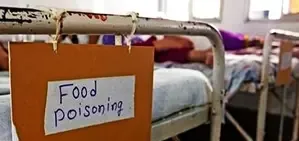
Over 80 People Affected by Food Poisoning After Wedding Feast in Madhya Pradesh

Synopsis
A joyous wedding celebration in Madhya Pradesh turned tragic as over 80 attendees fell ill from food poisoning. With symptoms like vomiting and diarrhoea reported, health teams are investigating the cause. Discover how this incident unfolded and the community's response.
Key Takeaways
Over 80 individuals reported food poisoning after a wedding feast.
Symptoms included vomiting and diarrhoea .
Health officials are investigating the food quality.
Two wards were set up to handle the influx of patients.
Community health standards are under scrutiny.
Bhopal/Sehore, March 26 (NationPress) A significant incident of food poisoning has been reported, with over 80 individuals falling ill after they participated in a wedding banquet in a village located in Madhya Pradesh's Sehore district, as stated by officials this Thursday.
The Babadiya Noabad village in Ichhawar tehsil saw a festive wedding celebration transform into a distressing situation on Wednesday evening when the food provided to guests reportedly led to widespread food poisoning.
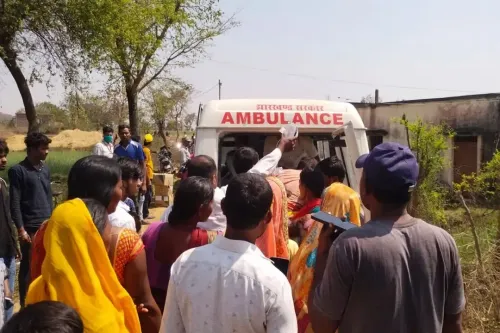
Approximately 80 attendees of the feast became unwell, sparking chaos, screams, and fear throughout the community. Eyewitnesses noted that symptoms such as vomiting, diarrhoea, and intense abdominal pain appeared shortly after the meal was consumed by approximately 150-200 guests.
What began as a few complaints quickly grew as more guests displayed signs of discomfort. Within hours, the scenario escalated, overwhelming the previously tranquil rural environment.
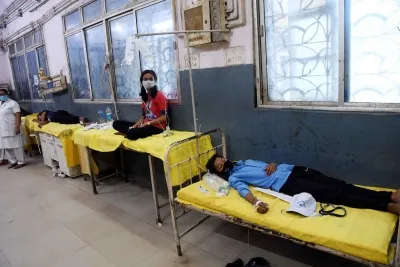
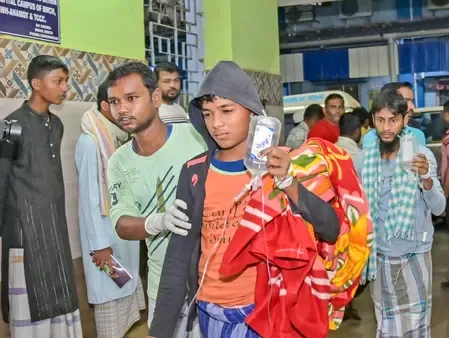
By Wednesday night, the Ichhawar Community Health Centre was inundated with patients. Medical professionals, including doctors, nurses, and paramedics, were urgently summoned. Two dedicated wards were established for food poisoning cases; however, the influx of patients resulted in insufficient beds, compelling many to receive care on stretchers or in corridors.
“We have admitted 80 individuals who consumed the tainted food exhibiting symptoms of diarrhoea and vomiting. They have been treated, and most are expected to be discharged by Thursday evening,” remarked Dr. Sudhir Dehariya, Chief Medical Health Officer of Sehore, in an interview with IANS.
He refuted reports suggesting any guests were in critical condition, affirming that only 80 individuals were admitted to the Ichhawar health facility.
Older adults seemed to exhibit more severe reactions, raising concerns regarding the vulnerability of certain populations during such outbreaks. Villagers and relatives have pointed to the food quality, particularly alleging that Gulab Jamuns made from Mawa (condensed milk solids) were primarily responsible.
Many reported that their symptoms intensified after consuming these sweets, intensifying suspicions of either adulterated or expired Mawa being used in their preparation.
Such incidents are often rooted in poor sanitation, inferior ingredients, or improper storage during large community gatherings.
In response, teams from the Health and Food Departments quickly arrived at the location. “We have collected samples of the suspected food items and dispatched them to a laboratory for comprehensive analysis. The definitive cause—be it bacterial contamination, chemical adulteration, or expired ingredients—will only be determined once the test results are received,” stated Dr. Dehariya.
Point of View
Especially during large gatherings. While many were treated and expected to recover, the event raises crucial questions about food quality and community health standards.
NationPress
6 Sept 2026
Frequently Asked Questions
What caused the food poisoning outbreak in Madhya Pradesh?
The outbreak is suspected to be linked to food served at a wedding feast, particularly Gulab Jamuns made from Mawa, which may have been contaminated or expired.
How many people were affected?
Over 80 individuals who attended the wedding feast fell ill with symptoms of food poisoning.
What symptoms were reported by the affected individuals?
Symptoms included vomiting, diarrhoea, and severe abdominal pain.
What actions are being taken by health officials?
Health officials have collected food samples for laboratory testing to determine the cause of contamination.
Are any of the affected individuals in critical condition?
As of now, officials have reported that none of the admitted individuals are in critical condition.