BVK warns against pressuring judiciary via mass protests over SIR
Synopsis
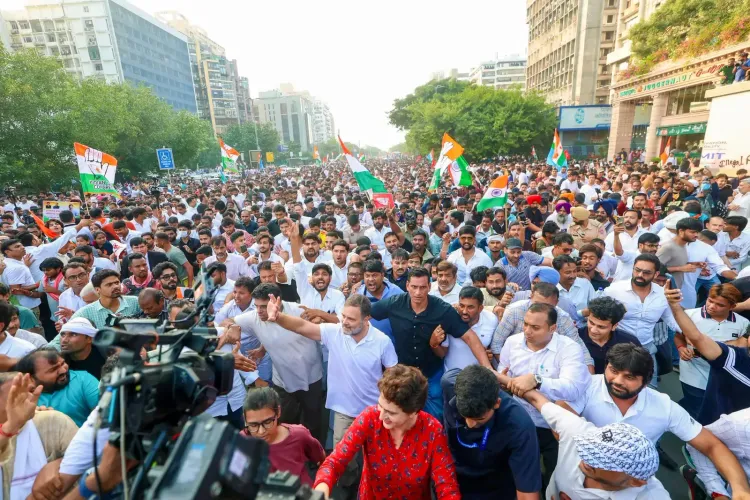
The Bharatiya Vichara Kendram has called out the opposition's 12 October march to the Supreme Court over the SIR exercise as unprecedented, arguing it sets a dangerous precedent of using mass mobilisation to pressure constitutional courts. With a 10-lakh rally in Delhi now reportedly planned for 1 November, the BVK is urging the Centre to act before the tactic escalates further.
Key Takeaways
Sanjayan on 28 October 2026 criticised the opposition's 12 October march to the Supreme Court over the Special Intensive Revision (SIR) .
Sanjayan called the Supreme Court march unprecedented in India's history, questioning whether it aimed to secure favourable verdicts through public pressure.
The BVK flagged a reported opposition plan to mobilise 10 lakh people in Delhi on 1 November , warning of law-and-order risks in a city of two crore .
The BVK urged the Centre to prevent a recurrence of violence similar to that seen during a Parliament march on 20 July .
The remarks come amid broader political debate over the SIR exercise and the opposition's strategy of street mobilisation to challenge constitutional institutions.
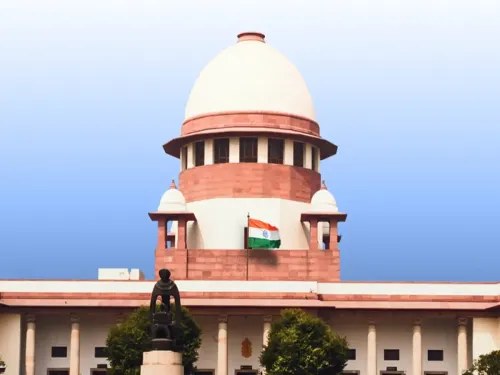
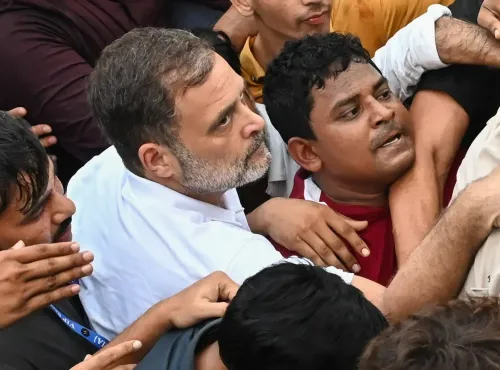
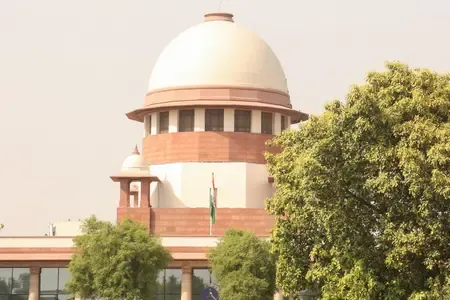
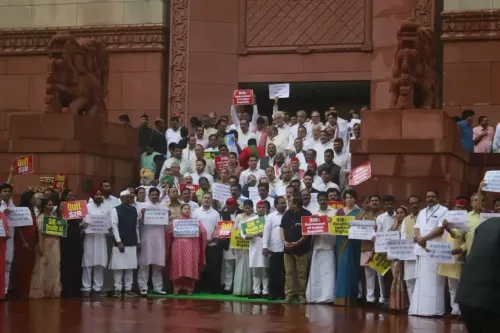
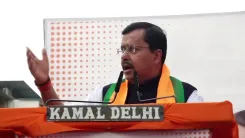
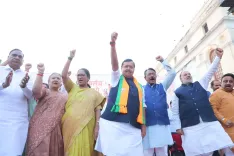
The Bharatiya Vichara Kendram (BVK) on Wednesday, 28 October 2026, criticised a march to the Supreme Court led by the Leader of the Opposition on 12 October over the Special Intensive Revision (SIR) exercise, warning that using mass mobilisation to pressure constitutional institutions undermines India's democratic foundations.
Key Developments
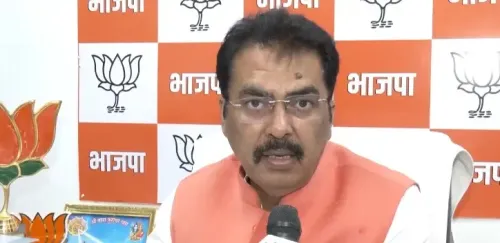
BVK Director R. Sanjayan described the Supreme Court march as unprecedented in the country's history, raising concerns about whether such tactics were intended to secure favourable judicial verdicts through public pressure. 'It is regrettable that attempts are being made to undermine India's democratic system, which has evolved over seven and a half decades,' he said.
Sanjayan recalled a prior incident in Kerala in which a radical Islamist group had marched to the High Court against a court verdict, drawing a parallel with the current pattern of opposition mobilisation.
Concern Over Delhi Mobilisation Plan
The BVK director also flagged a reported opposition plan to mobilise 10 lakh people in Delhi on 1 November. He warned that Delhi, with an estimated population of around two crore, could face serious law-and-order challenges if such a large influx of people — including those arriving from outside the capital — converged on the city. Such a gathering, he argued, would disrupt the normal lives of residents.
What the BVK Said on Democratic Institutions
Sanjayan emphasised that India's established legal mechanisms existed to resolve personal and social disputes, and that attempts to bypass them through mass mobilisation were 'undesirable.' He argued that some groups appeared to believe they could impose their demands by gathering large crowds and exerting pressure on authorities.
He also urged the Centre to take a firm stand to prevent a recurrence of violence of the kind witnessed during a march to Parliament on 20 July, calling for respect for the country's democratic institutions and constitutional processes.
Political Context
The BVK's remarks come amid an ongoing political debate over the SIR exercise and the broader opposition strategy of challenging government decisions through street mobilisation rather than exclusively through legal channels. Critics of the opposition argue that such marches blur the line between legitimate protest and institutional pressure, while supporters maintain that public demonstrations are a constitutionally protected form of dissent.
As the 1 November Delhi mobilisation deadline approaches, the political temperature around the SIR controversy and the role of mass protests in Indian democracy is expected to intensify.
Point of View
And the BVK's invocation of a radical Islamist march as a parallel is a loaded comparison that risks conflating very different forms of dissent. The more substantive question the BVK raises — whether mass marches to courts set a precedent that could one day be used by forces hostile to the judiciary — deserves a serious answer, not just a partisan one. The reported 10-lakh Delhi mobilisation will be the real test of whether this debate remains rhetorical or escalates into a broader constitutional confrontation.
NationPress
28 Oct 2026
Frequently Asked Questions
What is the BVK's criticism of the Supreme Court march over SIR?
The Bharatiya Vichara Kendram (BVK) has criticised the opposition's 12 October march to the Supreme Court over the Special Intensive Revision (SIR) as unprecedented in India's history, arguing it amounts to using mass pressure to influence judicial outcomes. BVK Director R. Sanjayan said such tactics undermine the country's established legal mechanisms and democratic institutions.
What is the Special Intensive Revision (SIR) that triggered the protest?
The Special Intensive Revision (SIR) is an electoral roll exercise that has become the subject of political controversy, prompting the Leader of the Opposition to lead a march to the Supreme Court on 12 October 2026. The BVK's remarks come amid an ongoing political debate over the SIR and the opposition's approach to challenging it.
What is the significance of the reported 10-lakh Delhi rally on 1 November?
Opposition parties reportedly plan to mobilise 10 lakh people in Delhi on 1 November 2026. The BVK has warned that a gathering of this scale in a city of approximately two crore residents could pose serious law-and-order challenges and disrupt normal life, urging the Centre to take a firm preventive stand.
What earlier incident did BVK Director Sanjayan reference?
Sanjayan referred to a prior incident in Kerala in which a radical Islamist group marched to the High Court against a court verdict, drawing a parallel to the current trend of using mass mobilisation to exert pressure on the judiciary.
What action has the BVK urged the Centre to take?
The BVK has urged the Centre to take a firm stand against mass mobilisations that pressure constitutional authorities, and specifically to prevent a recurrence of the violence witnessed during a march to Parliament on 20 July. It has called for full respect for established democratic institutions and legal processes.