Pakistan healthcare system deepens inequality as budget cut to Rs 46 bn
Synopsis
Pakistan's health budget was cut from Rs 54.87 billion to Rs 46.10 billion in 2025-26 even as poorer households already spend 20% of their income on care — and with inflation hitting 11.7% in May, the financial squeeze on ordinary Pakistanis is tightening from both ends.
Key Takeaways
Pakistan's federal health budget was reduced to Rs 46.10 billion in 2025-26 , down from Rs 54.87 billion the previous year.
Poorer households spend an average of 20 per cent of their income on healthcare, according to World Bank data.
Rural and underdeveloped public hospitals face critical shortages of staff, equipment, and essential supplies.
Annual inflation in Pakistan reached 11.7 per cent in May 2026 , far above the State Bank of Pakistan's target of 5–7 per cent .
Analysts are calling for reforms in public hospital quality, affordable private care access, and community health initiatives.
Pakistan's healthcare system is entrenching a stark two-tier divide between public and private medical facilities, leaving millions of citizens without access to quality treatment — even as some provinces have raised health allocations, according to a report by Pakistan Today.
The Funding Gap
The federal government allocated Rs 46.10 billion to the Ministry of National Health Services, Regulations and Coordination in the 2025-26 Budget — a notable reduction from the Rs 54.87 billion set aside in the previous fiscal year. Critics argue this cut directly undermines efforts to upgrade underfunded public hospitals at a time when demand for affordable care is rising.
Rural Hospitals Bearing the Brunt
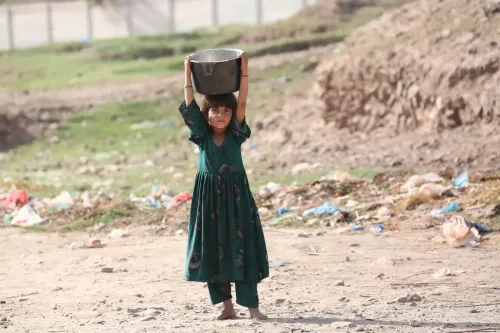
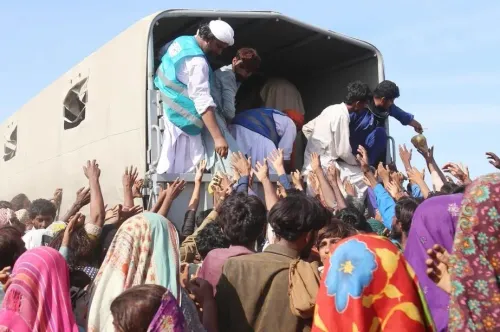
Underfunded public hospitals, particularly in rural and underdeveloped regions, are reportedly grappling with chronic shortages of staff, medical equipment, and essential supplies. As a consequence, patients are increasingly compelled to travel to major urban centres for treatment, placing additional strain on already-stretched city hospitals. The pattern reflects a longstanding structural imbalance that successive administrations have struggled to reverse.
Out-of-Pocket Costs Crushing Poorer Households
Citing World Bank data, the report noted that poorer households in Pakistan spend, on average, around 20 per cent of their income on healthcare. This forces many families to make difficult trade-offs between medical treatment and other essential expenses — a dynamic that deepens economic vulnerability alongside health inequality. Notably, catastrophic health expenditure of this scale is among the highest in South Asia.
Inflation Adding to the Crisis
A separate report from Assahifa flagged mounting economic pressure compounding the healthcare burden. Annual inflation in Pakistan rose to 11.7 per cent in May 2026, up from 10.9 per cent in April and 7.3 per cent in March — well above the State Bank of Pakistan's target range of 5 per cent to 7 per cent. Economists have reportedly warned that the country risks slipping into a cycle of weak growth, rising prices, and financial strain, which would further erode households' capacity to absorb healthcare costs.
What Reforms Are Being Called For
The Pakistan Today report called for comprehensive reforms across three fronts: improving the quality of public healthcare facilities, ensuring affordable access to private medical services, and strengthening community-based health initiatives. Without structural intervention, analysts warn the gap in healthcare delivery will continue to widen, disproportionately affecting low-income and rural populations.
Point of View
But the 2025-26 allocation move signals a retreat rather than reform. What the reports collectively miss is the compounding effect: with inflation at 11.7% and real wages under pressure, the affordability crisis in healthcare is not just a supply-side failure but a demand-destruction story. The structural fix — community health workers, decentralised primary care, regulated private pricing — has been prescribed repeatedly; the deficit is political will, not diagnosis.
NationPress
3 Oct 2026
Frequently Asked Questions
What is the state of Pakistan's healthcare system in 2026?
Pakistan's healthcare system is characterised by a deep divide between public and private facilities, with millions lacking access to quality treatment. Underfunded public hospitals face staff and equipment shortages, while poorer households spend around 20 per cent of their income on medical care, according to World Bank data.
How much did Pakistan allocate to health in the 2025-26 budget?
The federal government allocated Rs 46.10 billion to the Ministry of National Health Services, Regulations and Coordination in the 2025-26 Budget, down from Rs 54.87 billion in the previous fiscal year.
Why are rural hospitals in Pakistan struggling?
Rural and underdeveloped public hospitals are reportedly facing chronic shortages of medical staff, equipment, and essential supplies due to inadequate public spending. This forces patients to travel to major cities for treatment, adding pressure to urban healthcare facilities.
What is Pakistan's current inflation rate and why does it matter for healthcare?
Pakistan's annual inflation rose to 11.7 per cent in May 2026, up from 10.9 per cent in April and 7.3 per cent in March, well above the State Bank of Pakistan's target of 5–7 per cent. Rising prices erode household purchasing power, making it harder for families to afford medical treatment on top of other essential expenses.
What reforms are being recommended for Pakistan's healthcare sector?
Reports recommend improving public hospital quality, ensuring affordable access to private medical facilities, and strengthening community-based health initiatives to bridge the widening gap in healthcare delivery across urban and rural areas.