Pakistan civil-military tensions rise over Asim Munir's 20% defence budget demand
Synopsis
Pakistan's civilian government is reportedly drawing a rare line against its own military: Field Marshal Asim Munir wants a second consecutive 20 per cent defence budget hike, but the finance ministry — boxed in by an IMF team physically present in Islamabad — says 5 per cent is the ceiling. Whether the army blinks or the government caves could determine the fate of Pakistan's IMF programme.
Key Takeaways
Field Marshal Asim Munir is demanding a 20 per cent increase in Pakistan's defence budget for 2026-27 .
Current military spending stands at Rs 2,500 billion ; the finance ministry says only a 5 per cent hike is feasible.
The government had already approved a 20 per cent defence increase in the previous fiscal year.
An IMF team is currently in Islamabad scrutinising all budget expenditures, including defence.
Officials say the finance ministry is prepared for a direct confrontation with the army over this demand — a break from past pattern where civilian governments have consistently yielded.
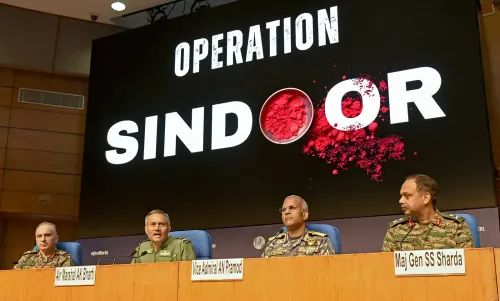
Analysts link Munir's push for funds to capability gaps exposed during Operation Sindoor , India's retaliatory strikes after the Pahalgam attack that killed 26 people .
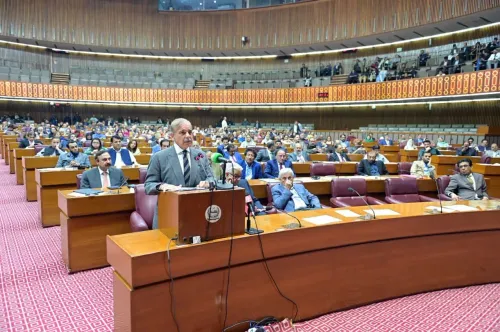
A simmering civil-military standoff is taking shape in Pakistan ahead of the 2026-27 federal budget, as Field Marshal Asim Munir pushes for a 20 per cent increase in defence spending — a demand the Shehbaz Sharif government is reportedly resisting under intense pressure from the International Monetary Fund (IMF). The current military allocation already stands at Rs 2,500 billion, a figure analysts describe as disproportionate given the country's economic distress.
The Budget Flashpoint
Pakistan's finance ministry is pushing back against the military's demand, arguing that a 5 per cent increase is the maximum fiscally defensible hike at this stage. Officials note that the Sharif government had already approved a 20 per cent rise in defence spending in the previous fiscal year, making a repeat escalation difficult to justify. According to officials, the finance ministry is questioning the rationale behind seeking another large-scale allocation in consecutive years.
Complicating matters further, an IMF team is currently camped in Islamabad, holding framework discussions for the upcoming budget. The fund is scrutinising all expenditure heads — including defence — as part of ongoing loan-clearance negotiations. Officials say convincing the IMF to accept a second consecutive 20 per cent defence hike would be an exceptionally difficult task for Pakistan's fund managers.
A United Front With Cracks Beneath
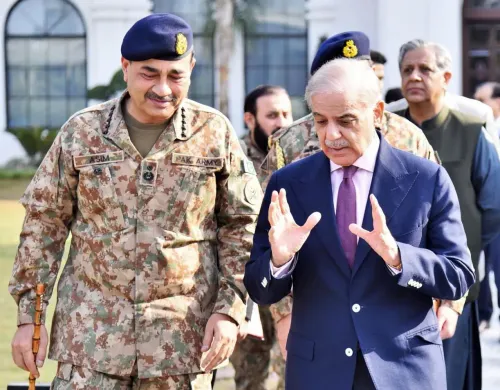
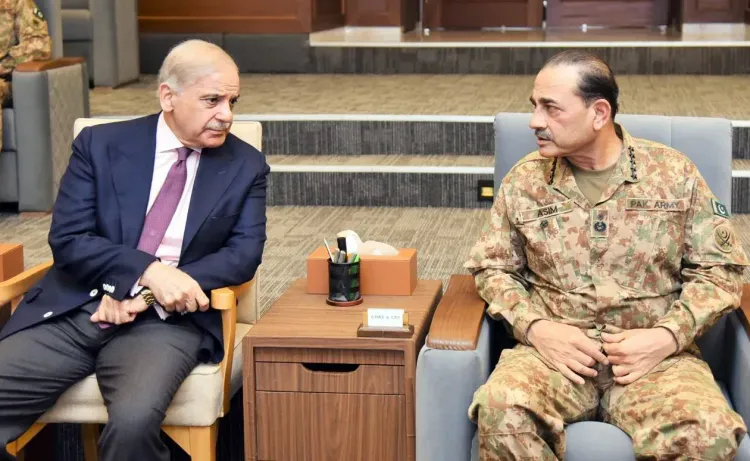
On the surface, Prime Minister Shehbaz Sharif and Field Marshal Munir have maintained a coordinated public posture, particularly in the aftermath of cross-border tensions with India following Operation Sindoor. Behind the scenes, however, officials describe a relationship under strain. According to reports, the military has historically prevailed in such budget disputes, with successive civilian governments yielding to defence demands.
This time, officials say, the finance ministry is prepared for a direct confrontation. 'There is no option but to resist this demand,' one official was quoted as saying, adding that capitulating to the military's request under current IMF oversight could trigger serious fiscal consequences. Notably, the IMF has been explicit in its messaging to Islamabad about reining in non-essential expenditure.
Why Munir Wants More
Analysts tracking Pakistan's military affairs say Asim Munir is acutely aware of the capability gaps exposed during Operation Sindoor — the Indian armed forces' retaliatory strikes following the Pahalgam terror attack in which 26 people were killed. The operation, according to these analysts, underscored the vulnerabilities of the Pakistan military and has intensified internal pressure for modernisation and upgrades.
Munir has reportedly made claims about operational gains during the episode that observers say are contradicted by the on-ground assessment. Critics argue that the push for enhanced spending is, in part, an effort to shore up institutional credibility after a difficult period for the Pakistan Army's image.
IMF as the Deciding Variable
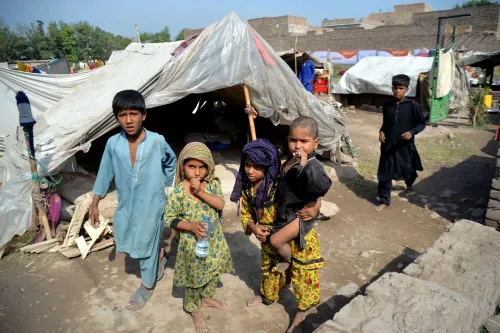
Pakistan is currently navigating a fragile economic recovery, with Islamabad under sustained IMF pressure to service its debt obligations and contain the fiscal deficit. Officials say the fund's scrutiny of defence expenditure is unusually close this cycle. Should the government yield to the military's full demand, it risks derailing the IMF programme — a scenario with severe consequences for Pakistan's foreign exchange reserves and import capacity.
Pakistan watchers note a familiar pattern: the military secures its budget, and the civilian government is left to manage the IMF fallout. Whether that pattern holds in the 2026-27 cycle — or whether the finance ministry's resistance marks a genuine inflection point — is likely to become clear in the weeks ahead as budget finalisation approaches.
Point of View
The civilian government has an external enforcer it can point to, which gives the finance ministry rare leverage. The deeper question is whether Shehbaz Sharif's government has the political will to hold the line, or whether the IMF constraint is simply being used as a temporary shield that will be quietly removed once the fund's team departs. Munir's demand is also a signal: Operation Sindoor exposed real gaps, and the army chief is not willing to absorb those lessons without a budget response. The collision between Pakistan's fiscal reality and its military's modernisation ambitions is not a new contradiction — it is the defining tension of the Pakistani state.
NationPress
25 Sept 2026
Frequently Asked Questions
What is the civil-military budget dispute in Pakistan about?
Pakistan's military, led by Field Marshal Asim Munir , is demanding a 20 per cent increase in defence spending for the 2026-27 fiscal year. The finance ministry is resisting, saying only a 5 per cent hike is fiscally viable given IMF pressure and the country's economic condition.
How much does Pakistan currently spend on defence?
Pakistan's current military budget stands at Rs 2,500 billion , which analysts already consider a large allocation relative to the country's economic size. The government had approved a 20 per cent increase in the previous fiscal year as well.
Why is the IMF relevant to Pakistan's defence budget?
An IMF team is currently in Islamabad reviewing the framework for the 2026-27 budget as part of ongoing loan negotiations. The fund is scrutinising all expenditure lines, including defence, and officials say approving another large military hike risks derailing Pakistan's IMF programme.
Why is Asim Munir pushing for higher defence spending?
According to analysts, Munir is seeking funds to address capability gaps that were reportedly exposed during Operation Sindoor , India's retaliatory strikes following the Pahalgam terror attack . The military is said to require significant upgrades, making enhanced allocation a priority for the army chief.
Has Pakistan's civilian government resisted military budget demands before?
Historically, Pakistan's civilian governments have consistently yielded to military budget demands. Officials say this cycle may be different, with the finance ministry explicitly prepared for a confrontation — though analysts remain cautious about whether that resistance will hold once IMF scrutiny eases.