South Korea Sees Fuel Price Hike as Government Considers Price Cap
Synopsis
Fuel prices in South Korea have seen a modest rise as the government weighs the introduction of a price cap system amid concerns over rising energy costs due to Middle Eastern conflicts. This could be a pivotal moment for energy pricing in the nation.
Key Takeaways
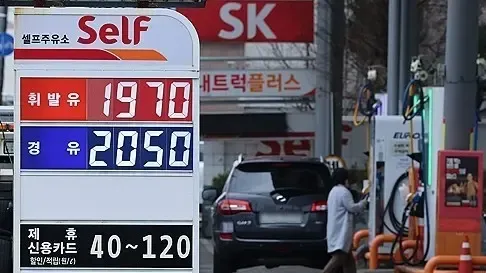
Gasoline prices in South Korea rose to 1,893.3 won per liter.
Diesel prices increased to 1,915.4 won per liter.
The government is considering a price cap system for the first time in nearly 30 years.
South Korea's reliance on energy imports makes it vulnerable to global price shocks .
The recent price increases are slower compared to previous daily surges.
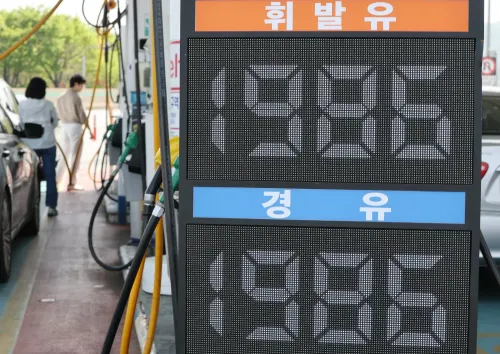
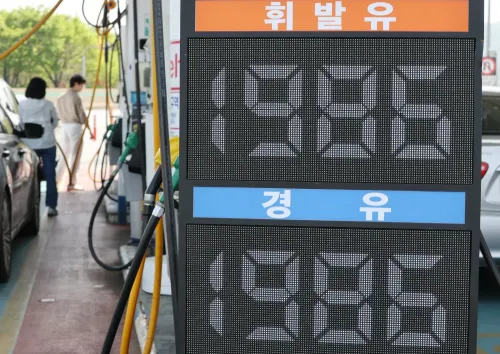
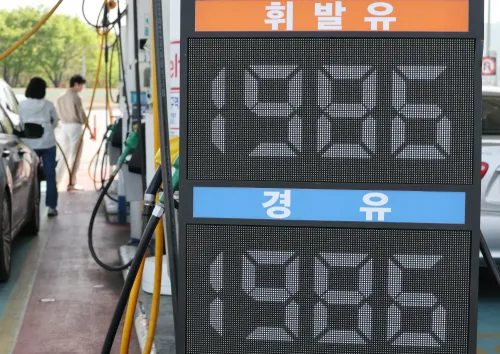
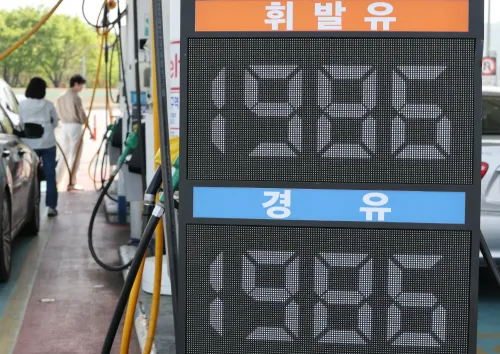
Seoul, March 8 (NationPress) On Sunday, the prices of gasoline and diesel saw a moderate increase as the South Korean government deliberates the introduction of a price cap system due to concerns over escalating energy costs linked to the ongoing conflicts in the Middle East.
As per the Korea National Oil Corporation, the average nationwide price for gasoline reached 1,893.3 won (approximately US$1.27) per liter, marking an increase of 3.9 won from the previous day. Diesel prices also saw a rise of 4.8 won, reaching 1,915.4 won per liter, according to reports from Yonhap news agency.
In the capital city, Seoul, fuel prices likewise experienced an uptick, albeit modest. The average gasoline price hit 1,944.7 won per liter, with an increase of 3 won from the day before, while diesel rose by 4.9 won, amounting to 1,968.2 won.
Notably, in contrast to recent daily surges of several won, this increase appears to be more gradual, indicating that governmental actions might be curbing the rising trend.
According to sources, the government initiated a review of this potential cap system following a spike in global crude prices, which were reflected almost instantly in local fuel prices after the U.S.-Israeli strikes on Iran and Tehran's subsequent retaliatory actions.
As South Korea heavily relies on energy imports, it remains particularly susceptible to external price fluctuations, which can frequently escalate inflation.
Additionally, officials are contemplating the implementation of a price cap system for oil for the first time in almost three decades, amidst the rising energy price concerns stemming from the intensifying conflicts in the Middle East.
The review process commenced after witnessing that the surge in global crude prices impacted domestic fuel prices almost immediately, rather than the usual two-week delay, following the recent military actions.
South Korea's dependence on energy imports leaves it vulnerable to external price shocks, which often fuel inflationary pressures.
Point of View
The current rise in fuel prices in South Korea, along with the government's consideration of a price cap system, reflects the delicate balance between market responsiveness and the need for consumer protection against external price shocks.
NationPress
25 Sept 2026
Frequently Asked Questions
Why are fuel prices rising in South Korea?
Fuel prices are rising due to increased global crude prices and geopolitical tensions in the Middle East, prompting the government to consider a price cap system.
What is a price cap system?
A price cap system is a regulatory mechanism that limits the maximum price that can be charged for a commodity, in this case, fuel.
How does South Korea's reliance on imports affect fuel prices?
South Korea's heavy reliance on energy imports makes it vulnerable to international price fluctuations, often resulting in rapid increases in domestic fuel prices.
When was the last time South Korea implemented a price cap on fuel?
If adopted, this would be the first time in nearly 30 years that South Korea implements a price cap system for fuel.
What impact could rising fuel prices have on inflation?
Rising fuel prices can contribute to overall inflation, as they increase transportation and production costs across various sectors.