South Korea's Minister Reports Early Success of Fuel Price Cap System

Synopsis
South Korea's Industry Minister Kim Jung-kwan highlights the initial success of the fuel price cap system, which aims to stabilize soaring fuel prices and lessen consumer burdens. This initiative, implemented less than a day ago, shows promising results as gas stations and refineries begin to cooperate.
Key Takeaways
Fuel price cap system launched to stabilize prices.
Initial price ceilings set for gasoline, diesel, and lamp oil.
Adjustments will occur every two weeks based on international oil prices.
Government conducting inspections to prevent unfair market practices.
Energy vouchers will be provided to support vulnerable households.
Seoul, March 13 (NationPress) - South Korea's Minister of Industry, Kim Jung-kwan, announced on Friday that the government's newly established fuel price cap system is beginning to show signs of price stabilization just hours after its launch.
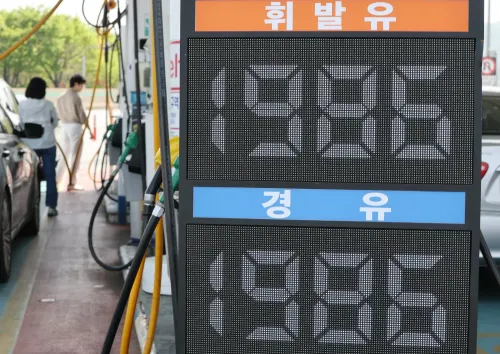
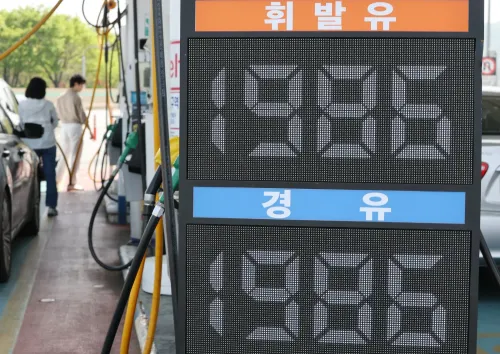
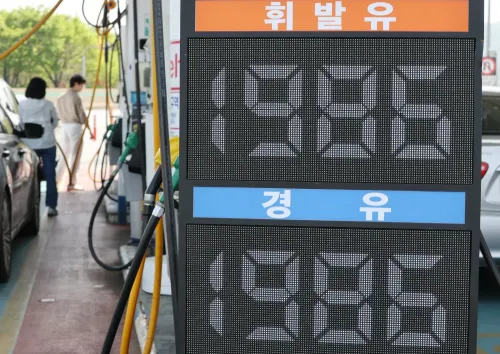
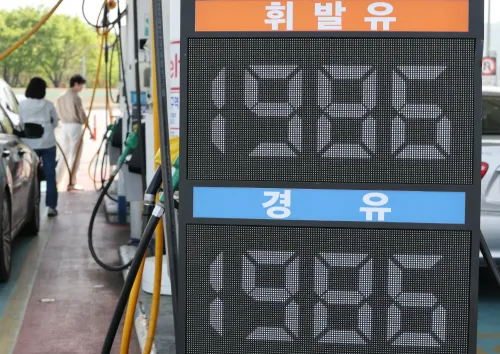
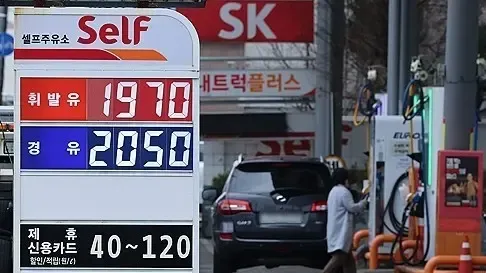
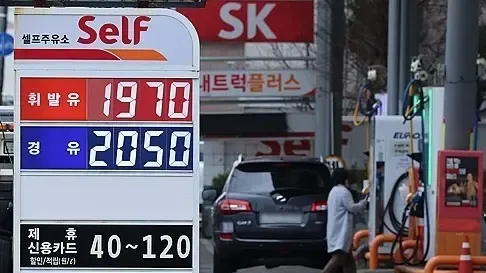
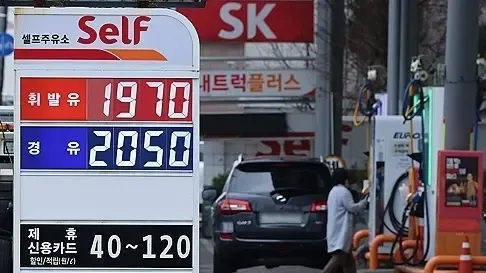
Kim convened a meeting with representatives from South Korean oil refineries, gas stations, and the Korea National Oil Corporation to assess the domestic energy landscape as the fuel price cap system was implemented. This initiative, reported by Yonhap News Agency, aims to alleviate the burden of skyrocketing fuel prices on consumers by placing a ceiling on the prices that oil refineries can charge gas stations and distributors.
The initial limits were set at 1,724 won (approximately USD 1.16) per litre for regular gasoline, 1,713 won per litre for diesel, and 1,320 won per litre for lamp oil.
The government plans to adjust these maximum price levels every two weeks to align with fluctuations in international oil prices until domestic fuel prices are deemed stable enough to discontinue the system.
Following the meeting, Kim informed reporters that the market is already witnessing price reductions on the very first day of the system's activation, highlighting the cooperative efforts of gas stations and oil refineries with the new program.
Kim urged gas stations to comply with the system, emphasizing its importance in ensuring fair pricing as the caps are applied to the supply prices set by refiners, as noted by his office.
Additionally, Kim chaired an intergovernmental task force meeting focused on scrutinizing unfair market practices in fuel pricing.
"The fuel price cap system serves as a fundamental safeguard to protect our national economy during crises, not as a means to control the market," Kim stated, promising a rigorous response to any exploitative actions such as hoarding or price gouging.
The task force has conducted over 800 inspections on gas stations suspected of illicit practices and has identified 20 cases of illegal activities, according to the ministry.
In response to the petrochemical sector's challenges in sourcing naphtha amid the Middle Eastern crisis, Kim revealed that the government will impose restrictions on exports of domestically produced goods and may consider releasing naphtha reserves when the country taps into its strategic oil reserve.
Recently, Yeochun NCC Co., South Korea's leading ethylene producer, and other firms indicated potential "force majeure" scenarios, suggesting disruptions in naphtha supplies.
South Korea relies heavily on imports of naphtha via the Strait of Hormuz, which is currently facing significant disruptions due to ongoing tensions in the region.
Furthermore, the minister mentioned that the government is evaluating a range of tax measures to aid in energy price stabilization and is preparing to issue energy vouchers for vulnerable households.
Point of View
It is clear that the government's proactive measures in implementing a fuel price cap system reflect a commitment to protecting consumers during challenging economic times. The early signs of price stabilization demonstrate the effectiveness of such interventions, although continuous monitoring and adjustments will be essential.
NationPress
24 Sept 2026
Frequently Asked Questions
What is the fuel price cap system in South Korea?
The fuel price cap system is a government initiative aimed at stabilizing fuel prices by setting maximum prices for products supplied by oil refineries to gas stations and distributors.
When did the fuel price cap system take effect?
The fuel price cap system took effect at midnight on Thursday, March 12.
How often will the price ceiling be adjusted?
The maximum price threshold will be readjusted every two weeks to reflect changes in international oil prices.
What measures are being taken against unfair market practices?
An intergovernmental task force has been established to inspect gas stations for unfair practices, with over 800 inspections conducted so far.
What support is being offered to vulnerable households?
The government is preparing to provide energy vouchers to assist vulnerable households amid rising energy prices.