S. Korea Considers Oil Price Cap System After 30 Years
Synopsis
On March 8, South Korea's government is exploring the possibility of implementing an oil price cap system, marking the first such consideration in almost three decades. This move comes amid rising energy costs linked to the escalating Middle East conflict, raising concerns about inflation and economic stability.
Key Takeaways
South Korea is considering an oil price cap for the first time in 30 years.
The review is prompted by rising energy costs due to Middle East conflicts.
The government is concerned about inflation and economic stability.
Measures are being taken to prevent illegal practices in the oil market.
Current gasoline prices are above 1,890.87 won per liter.
Seoul, March 8 (NationPress) The South Korean government is contemplating the introduction of an oil price cap system for the first time in nearly three decades, according to sources on Sunday. This consideration arises amid escalating concerns regarding energy prices linked to the ongoing conflict in the Middle East.
Officials have initiated a review of this possibility, as the recent spike in global crude oil prices has been mirrored almost immediately in domestic fuel prices, rather than the usual two-week lag. This trend follows the U.S.-Israeli strikes on Iran and the subsequent retaliatory actions from Tehran in the region.
As a nation that relies heavily on energy imports, South Korea is particularly susceptible to external price shocks, which often result in inflationary pressures, as reported by Yonhap news agency.
This review process is being conducted in accordance with Article 23 of the Petroleum and Alternative Fuel Business Act, which enables the industry minister to set a maximum sales price when oil prices experience drastic fluctuations that threaten economic stability.
However, this provision has largely remained inactive since the liberalization of oil prices in the country in 1997.
Sources indicate that the government is cautiously considering this option due to potential side effects, including market distortions and financial burdens.
During an extraordinary Cabinet meeting on Thursday to address the U.S.-Israeli strikes on Iran, President Lee Jae Myung directed officials to promptly establish a price cap system categorized by region and fuel type, should creating a uniform cap nationwide prove challenging. The following day, President Lee also cautioned oil refiners against potential collusion in raising gasoline prices.
In response to the president's directive, the government has assembled an interagency inspection team aimed at cracking down on illegal oil distribution, hoarding, and unfair trade practices.
Furthermore, the government has decided to secure over 6 million barrels of crude oil from the United Arab Emirates to ensure the stability of energy supplies.
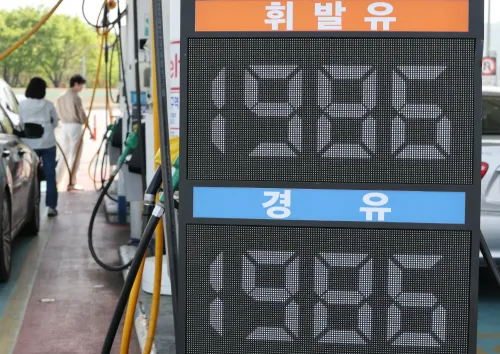
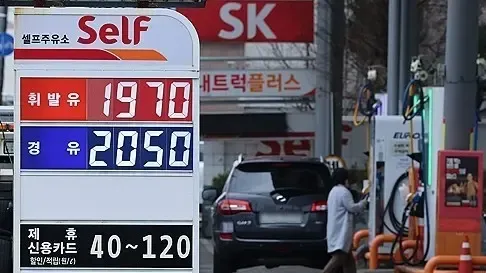
Despite these measures, gasoline prices at local gas stations are still on the rise.
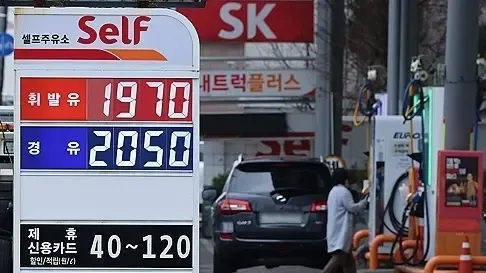
As of Saturday night, the average gasoline price has exceeded 1,890.87 won (approximately US$1.27) per liter, according to data from the Korea National Oil Corporation.
Point of View
I recognize the urgency of South Korea's consideration of an oil price cap. With rising global crude prices directly impacting domestic fuel costs, it's imperative for the government to act cautiously. Balancing economic stability with market integrity will be key in addressing consumer concerns without distorting the oil market.
NationPress
25 Sept 2026
Frequently Asked Questions
Why is South Korea considering an oil price cap?
The government is concerned about rising energy prices linked to the conflict in the Middle East, which could threaten economic stability and lead to inflation.
When was the last time South Korea implemented a price cap on oil?
This would be the first consideration of a price cap in nearly 30 years, since the liberalization of oil prices in 1997.
What are the potential drawbacks of implementing a price cap?
Potential issues include market distortions and financial burdens on the government.
What measures is the government taking to stabilize oil prices?
The government is forming an interagency inspection team and securing additional crude oil supplies from the UAE.
How are current gasoline prices affecting consumers in South Korea?
Gasoline prices have risen significantly, currently averaging over 1,890.87 won (approximately US$1.27) per liter.