South Korea cuts fuel price cap, freezes electricity and gas rates in H2 2025
Synopsis
South Korea is dialling back its emergency fuel price controls as global crude costs ease, while simultaneously freezing electricity and gas tariffs to protect households. Finance Minister Koo Yun-cheol's announcement signals a careful, phased retreat from crisis-mode economic management — but the Korean won's weakness and slowing employment mean the safety net stays firmly in place.
Key Takeaways
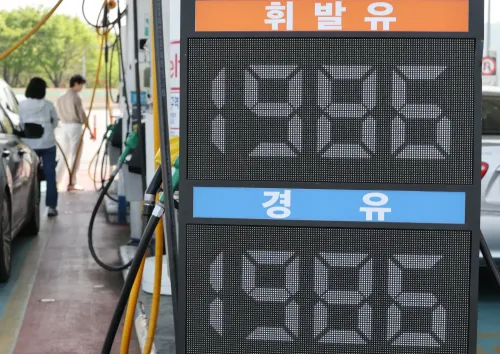
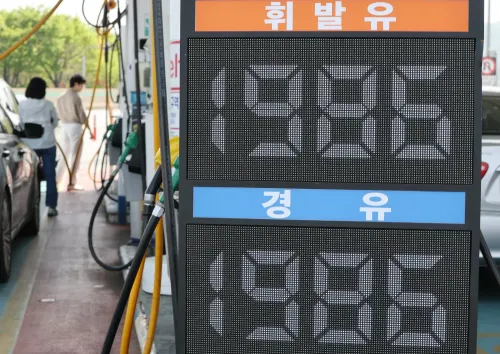
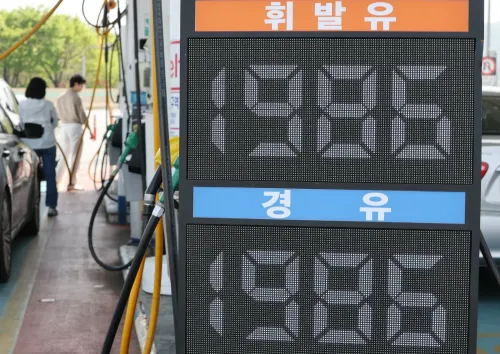
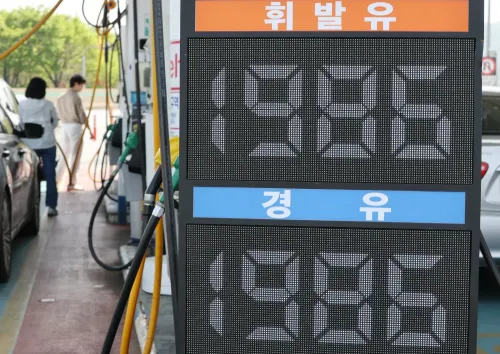
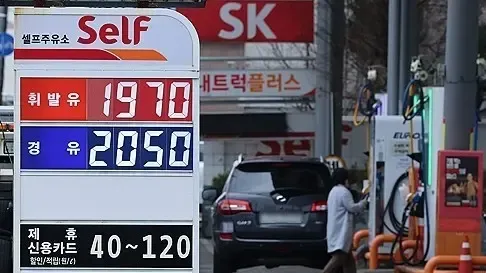
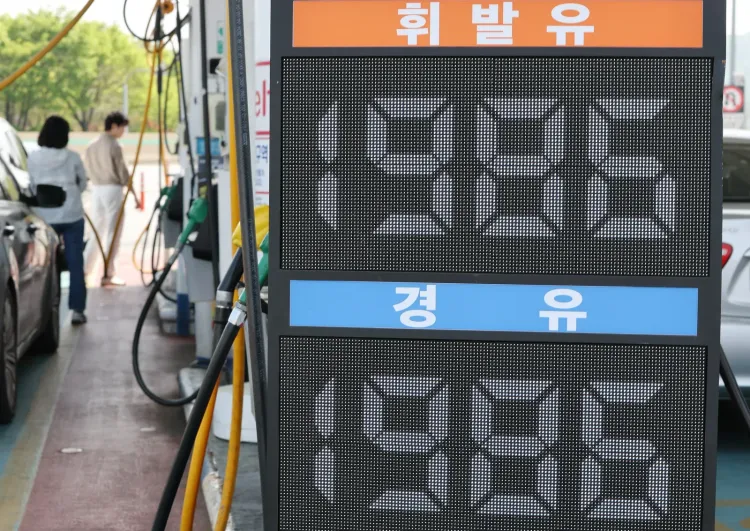
South Korea will lower its domestic fuel price cap to reflect the fall in global crude oil prices, announced on 26 June 2025 .
Finance Minister Koo Yun-cheol confirmed electricity and gas tariffs will be frozen through the second half of 2025 .
The fuel price cap was first introduced in mid-March 2025 amid Middle East-linked supply disruptions.
The government is targeting inflation of around 3 percent in H2 2025.
Discount programmes for agricultural and fishery products will run in July and August , alongside expanded imports of eggs and mackerel.
Koo cited the Washington-Tehran MOU as an easing factor but warned that follow-up negotiations and domestic pressures — weak won, high rates, slow employment — persist.
South Korea will lower its cap on domestic fuel prices to align with the recent decline in global crude oil rates, Finance Minister Koo Yun-cheol announced on Friday, 26 June, while also confirming that electricity and gas tariffs will be frozen through the second half of 2025. The twin measures are aimed at shielding households from persistent cost-of-living pressures even as some external headwinds ease.
What the Government Announced
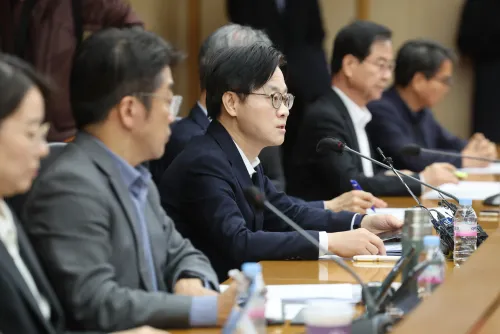
Minister Koo made the remarks at an inter-ministerial meeting on economic affairs, stating that the fuel price cap system will remain operative until consumer prices are 'fully stabilised.' Specific details of the revised cap were expected to be disclosed later the same day. The cap was first introduced in mid-March 2025 as an emergency measure to contain domestic fuel prices amid supply chain disruptions linked to the conflict in the Middle East.
'The government will adjust the emergency measures currently in place in phases by closely monitoring developments in the Middle East and the South Korean economy,' Koo said at the meeting.
External Uncertainties and Domestic Pressures
Koo acknowledged that global risks have been gradually receding, citing the memorandum of understanding (MOU) signed between Washington and Tehran as a stabilising factor. However, he cautioned that follow-up negotiations remain uncertain, and domestic burdens — including high consumer prices, a weak Korean won, elevated interest rates, and slowing employment — continue to weigh on citizens.
'However, as uncertainties still remain surrounding follow-up negotiations, burdens on the public, such as high consumer prices, the weak Korean won, high interest rates and slowing employment, continue,' Koo said.
Inflation Target and Utility Rate Freeze
The finance minister said the government is targeting an inflation rate of around 3 percent in the second half of the year. To support that goal, major utility tariffs — specifically electricity and gas — will be kept unchanged. 'We will freeze prices of major utilities, such as electricity and gas,' Koo stated. This comes amid broader government efforts to 'normalise and advance the economy following the war in the Middle East,' he added.
Additional Relief Measures
Beyond energy pricing, the finance ministry announced discount programmes for agricultural and fishery products during July and August. These will be complemented by measures to expand imports of fresh eggs and mackerel — commodities that have seen supply-side pressure — providing targeted relief to food prices alongside the broader energy stabilisation push.
What to Watch Next
Markets and households alike will look for the precise revised fuel cap figures expected from Seoul later on Friday. The trajectory of Middle East negotiations and Korean won movements will be key variables determining whether the government can sustain or further ease its emergency economic measures in the months ahead.
Point of View
While refusing to let households absorb the full cost of residual global uncertainty. The Washington-Tehran MOU is doing political work here — it gives Koo cover to begin a phased exit from crisis measures. But the underlying vulnerabilities Koo himself listed — a weak won, high interest rates, slowing employment — are structural, not cyclical, and a utility rate freeze cannot fix them. The real question is whether a 3 percent inflation target is achievable when currency depreciation keeps import costs elevated. If the won does not recover, the government may find itself reimposing caps it is now quietly dismantling.
NationPress
24 Sept 2026
Frequently Asked Questions
Why is South Korea lowering its fuel price cap?
South Korea is lowering the fuel price cap to reflect the recent decline in global crude oil prices. Finance Minister Koo Yun-cheol said the adjustment will be made in phases, with the cap system remaining until consumer prices are fully stabilised.
Will electricity and gas prices rise in South Korea in 2025?
No. The South Korean government has confirmed it will freeze electricity and gas tariffs through the second half of 2025 as part of broader efforts to ease the cost-of-living burden on households.
When was South Korea's fuel price cap first introduced?
The fuel price cap was introduced in mid-March 2025 as an emergency measure to stabilise domestic fuel prices amid supply chain disruptions caused by the conflict in the Middle East.
What is South Korea's inflation target for H2 2025?
Finance Minister Koo Yun-cheol stated that the government aims to keep inflation at around 3 percent in the second half of 2025, supported by the utility rate freeze and targeted food subsidy programmes.
What other relief measures has South Korea announced?
Beyond energy pricing, the finance ministry announced discount programmes for agricultural and fishery products in July and August 2025, along with measures to expand imports of fresh eggs and mackerel to ease food price pressures.