CM Fadnavis Attends Jaipur Foot Camp for Divyangjan in Nagpur
Synopsis
Maharashtra CM Devendra Fadnavis attended a free Jaipur Foot prosthetic and assistive-device distribution camp in Nagpur on 10 August 2026, calling for regular district-level camps and linking the initiative to a broader state push to prioritise Divyangjan in housing and employment schemes.
Key Takeaways
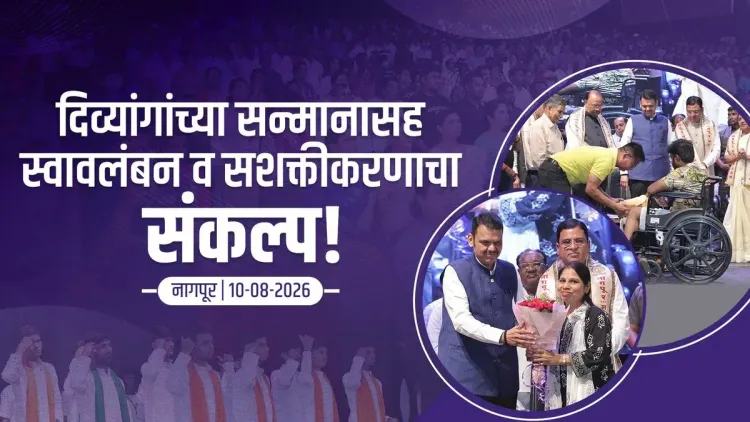
CM Devendra Fadnavis attended a free Jaipur Foot distribution and measurement camp for persons with orthopedic and hearing disabilities in Nagpur district on 10 August 2026 .
The camp provided prosthetic limbs and hearing assistive devices at no cost to beneficiaries, with senior state and local leaders present.
Fadnavis cited the Rights of Persons with Disabilities Act, 2016 and PM Modi's Divyangjan framework as the policy foundation for the state's approach.
The Chief Minister called for camps to be held regularly across Maharashtra districts to widen coverage and reduce mobility barriers.
Maharashtra is working to prioritise Divyangjan in housing allocations and employment-linked government schemes , alongside assistive-device support.
The event was attended by Cabinet Minister Chandrashekhar Bawankule , MoS Ashish Jaiswal , multiple MLCs, MLAs, and Nagpur Mayor Neetatai Thakre .
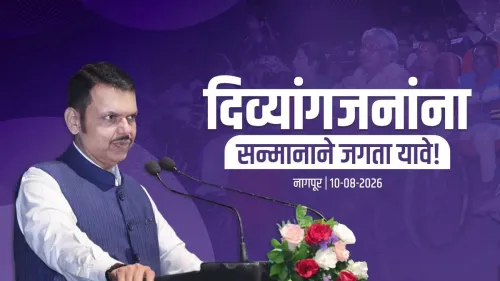
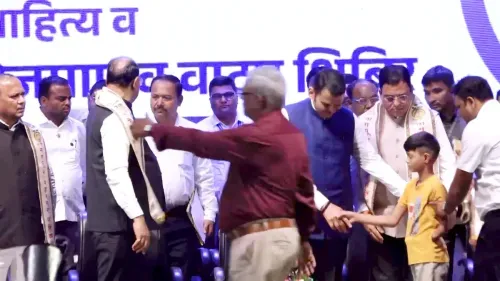
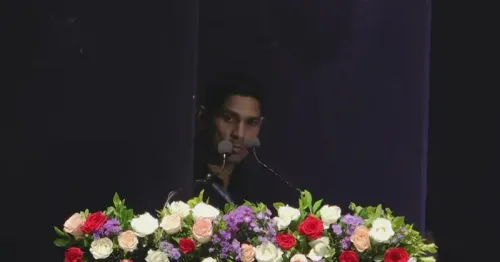
In Nagpur on Monday, 10 August 2026, an artificial limb became more than a prosthetic — it became a ticket back to riding a motorcycle, driving a car, and walking into a room with one's head held high. Maharashtra Chief Minister Devendra Fadnavis attended a free distribution and measurement camp for Jaipur Foot materials and assistive devices for persons with orthopedic and hearing disabilities, framing the event as a milestone in a longer journey toward confidence and dignity for Divyangjan.
What the Jaipur Foot camp delivered in Nagpur
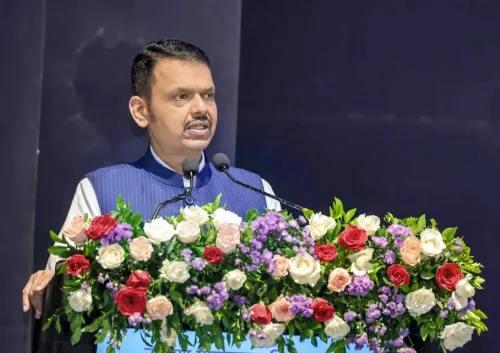
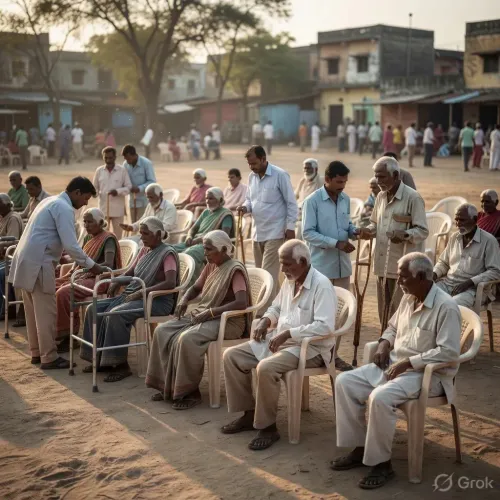
The camp, held in Nagpur district, offered free measurement and distribution of prosthetic limbs and hearing assistive devices to persons with disabilities. Jaipur Foot — the prosthetic initiative with a decades-long track record of government-partnered distribution across India — anchored the technical delivery. Fadnavis described the artificial limb not as charity but as a confidence multiplier: 'An artificial limb is not just a device, it gives a person the confidence to walk again, ride a motorcycle, drive a car and return to everyday activities with greater independence and dignity.'
Senior state and local leaders joined the Chief Minister at the event, including Cabinet Minister Chandrashekhar Bawankule, Minister of State Adv. Ashish Jaiswal, MLCs Sanjay Bhende, Dr. Rajeev Potdar, and Krupal Tumane, MLAs Mohan Mate and Charansing Thakur, Nagpur Mayor Neetatai Thakre, Deputy Mayor Leelatai Hathibed, and Gatneta Narendra (Balya) Borkar.
From charity to capability — the policy shift behind the camp
The framing at the camp reflects a deliberate shift in how both the central and Maharashtra state governments have repositioned disability welfare over the past decade. The Rights of Persons with Disabilities Act, 2016 expanded recognised disability categories and mandated greater access to assistive devices and support schemes. Under that legislative backbone, distribution camps have evolved from one-off relief exercises into structured, district-level delivery mechanisms designed to reduce the mobility barriers that prevent Divyangjan from reaching government offices or rehabilitation centres.
Fadnavis credited Prime Minister Narendra Modi with reshaping the national perspective — the very adoption of the term Divyangjan (meaning 'divinely gifted persons') was a Modi-era signal that the state views persons with disabilities through the lens of ability, not limitation. The Chief Minister noted that state-level initiatives now run parallel to central schemes, with efforts underway to prioritise Divyangjan in housing allocations and employment-linked programmes.
The call for regular camps — and what it means for Maharashtra's districts
Perhaps the sharpest administrative signal from Fadnavis was his call for these camps to be organised regularly across districts — not as periodic gestures but as a sustained delivery pipeline. Maharashtra's integration of assistive-device distribution with priority access to housing and livelihood schemes points toward a model where a single camp visit can unlock multiple layers of state support for a beneficiary.
The broader pattern is clear: decentralised, district-level delivery reduces the burden on persons with disabilities to travel to urban centres, and regular camps improve coverage in areas where awareness and access remain thin. Whether that cadence is matched with the administrative bandwidth to sustain it across Maharashtra's 36 districts is the question that will define the programme's real reach.
A prosthetic limb, Fadnavis reminded the gathering, is not the end of the story. It is the first step back into one.
Point of View
Scheduled delivery calendar across all 36 districts. The conspicuous presence of senior ministers, MLCs, and the Nagpur Mayor signals that the BJP treats Divyangjan welfare as an electorally visible constituency, not a backroom programme. The real test will be whether Maharashtra's integration of assistive-device camps with housing and livelihood scheme priority translates into measurable outcomes for beneficiaries beyond the camp day itself.
NationPress
10 Aug 2026
Frequently Asked Questions
What is the Jaipur Foot camp in Nagpur 2026?
It is a free distribution and measurement camp for prosthetic limbs and hearing assistive devices organised in Nagpur district, attended by Maharashtra CM Devendra Fadnavis on 10 August 2026, providing support to persons with orthopedic and hearing disabilities.
What is Jaipur Foot and how does it help disabled persons?
Jaipur Foot is a prosthetic initiative that provides artificial limbs designed for Indian terrain and lifestyles, enabling persons with limb loss to walk, ride vehicles, and engage in daily activities. It has been widely used in government-supported distribution camps across India.
What schemes does Maharashtra have for Divyangjan?
Maharashtra runs state-level welfare initiatives for Divyangjan that include financial assistance, priority access to housing schemes, employment-linked support, and participation in assistive-device distribution camps, aligned with the central Rights of Persons with Disabilities Act, 2016.
What did CM Fadnavis say about persons with disabilities?
Fadnavis said that an artificial limb gives a person the confidence to walk again, ride a motorcycle, drive a car and return to everyday activities with independence and dignity, and called for regular camps so more Divyangjan can receive the support they need.
What is the Rights of Persons with Disabilities Act 2016?
The Rights of Persons with Disabilities Act, 2016 is a central law that expanded the recognised categories of disability in India and mandated greater state responsibility for providing assistive devices, education, employment, and access to government schemes for persons with disabilities.