Jiyo Parsi scheme: 534 births since 2014-15, ₹37.43 crore spent, Rijiju tells Rajya Sabha
Synopsis
The Jiyo Parsi scheme has crossed 534 births since 2014-15 — a milestone the government is citing as proof of concept for India's only birth-rate intervention targeting a single community. With ₹37.43 crore spent and 1,055 beneficiaries under the Health of Community component alone, the numbers are moving, but the Parsi community's broader demographic crisis remains far from resolved.
Key Takeaways
534 births have been recorded in the Parsi community under the Jiyo Parsi scheme since 2014-15 .
Total government expenditure on the scheme stands at ₹37.43 crore , according to Minority Affairs Minister Kiren Rijiju .
Cumulative Medical component beneficiaries since 2013 stand at 582 ; Health of Community component beneficiaries since 2018-19 total 1,055 .
In 2025-26 , ₹2.93 crore was spent on the Health of Community component, ₹24 lakh on medical support, and ₹29 lakh on advocacy.
Independent third-party evaluations have assessed the scheme as successful in meeting its targets, according to the minister.
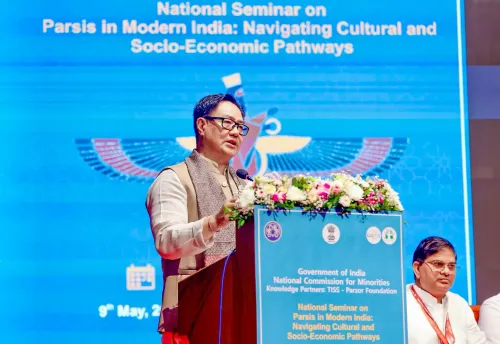
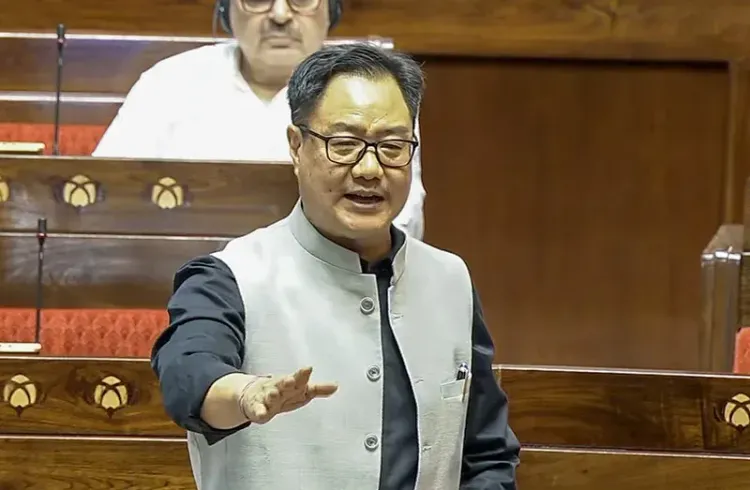
Minority Affairs Minister Kiren Rijiju on Monday told the Rajya Sabha that the Jiyo Parsi scheme has facilitated 534 births within the Parsi community since 2014-15, with a total government expenditure of ₹37.43 crore under the programme. Rijiju made the disclosure in a written reply, calling the births 'a ray of hope' for stabilising the community's declining population.
Scheme Performance and Third-Party Validation
Rijiju noted that independent third-party evaluation studies have assessed the Jiyo Parsi scheme as successful in meeting its stated targets. The scheme, administered by the Ministry of Minority Affairs, was designed specifically to address the long-documented demographic decline of the Parsi Zoroastrian community in India — one of the country's smallest recognised minority groups.
According to the minister, cumulative beneficiaries under the Medical component — covering treatment for infertility, childbearing, childbirth, and post-natal care — have reached 582 since 2013. A separate Health of Community component, operational since 2018-19, has supported 1,055 beneficiaries in total.
Year-Wise Expenditure Breakdown
Rijiju provided a granular breakdown of spending in 2025-26: ₹2.93 crore was allocated to the Health of Community component, ₹24 lakh to the Medical component, and ₹29 lakh to advocacy and outreach. The Health of Community spend has risen steadily — from ₹2.53 crore in 2023-24 to ₹2.66 crore in 2024-25, reflecting an incremental scaling of the programme.
Outreach and Awareness Efforts
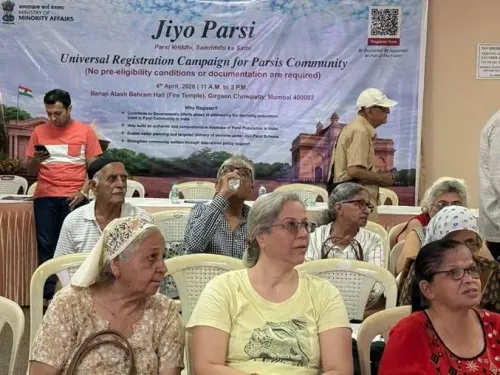
The minister said publicity drives are conducted regularly to expand awareness among Parsi households. These include workshops, interaction sessions, registration drives, and bio-authentication drives. Information about the scheme is also disseminated monthly through major Parsi-language newspapers. Rijiju clarified that under the advocacy component, no direct financial assistance is provided to individual beneficiaries.
Why the Jiyo Parsi Scheme Matters
The Parsi community has faced a sustained population decline for decades, driven by low birth rates, late marriages, and a high rate of emigration. Census estimates have placed the community's total population in India at under 60,000, making targeted demographic intervention a stated policy priority. This is notably the only government scheme in India specifically designed to boost the birth rate of a single community. The steady rise in annual health expenditure and the crossing of the 500-birth milestone suggest the programme is gaining traction, though critics have previously noted that the absolute numbers remain modest relative to the scale of demographic pressure the community faces.
The government is expected to continue expanding outreach under the scheme in the coming financial year, with advocacy spending and community engagement drives remaining central to its implementation strategy.
Point of View
Not a demographic solution. The Parsi community's total population in India is estimated at under 60,000 and has been declining for generations — 534 births over a decade, while meaningful, does not reverse that trajectory. The more significant signal in Rijiju's data is the steady year-on-year rise in Health of Community spending, which suggests institutional commitment rather than a one-off push. What remains unaddressed in the parliamentary reply is any independent verification of whether the births directly resulted from scheme interventions or would have occurred regardless. Third-party evaluations cited by the minister have not been tabled publicly, making accountability difficult to assess.
NationPress
10 Aug 2026
Frequently Asked Questions
What is the Jiyo Parsi scheme?
The Jiyo Parsi scheme is a Central government programme under the Ministry of Minority Affairs designed to stabilise and increase the population of the Parsi Zoroastrian community in India. It provides financial assistance for infertility treatment, childbirth, post-natal care, and community health initiatives.
How many births has the Jiyo Parsi scheme facilitated since 2014-15?
According to Minority Affairs Minister Kiren Rijiju, 534 births have been recorded in the Parsi community since 2014-15 under the scheme. The minister described these births as 'a ray of hope' for the community's demographic future.
How much has the government spent on the Jiyo Parsi scheme?
The total expenditure on the Jiyo Parsi scheme stands at ₹37.43 crore. In 2025-26 alone, ₹2.93 crore was spent on the Health of Community component, ₹24 lakh on medical support, and ₹29 lakh on advocacy.
Who are the beneficiaries of the Jiyo Parsi scheme?
Since 2013, a cumulative total of 582 beneficiaries have received financial assistance under the Medical component for infertility treatment, childbearing, and post-natal care. Since 2018-19, an additional 1,055 beneficiaries have been supported under the Health of Community component.
Why does the Parsi community need a government scheme to boost its population?
The Parsi Zoroastrian community in India has faced decades of population decline due to low birth rates, late marriages, and emigration. Estimated at under 60,000 in India, it is one of the country's smallest recognised minority groups, prompting the government to launch the Jiyo Parsi scheme as a targeted demographic intervention.