Pralhad Joshi Chairs MNRE Meet on Wind Sector Roadmap
Synopsis
Union Minister Pralhad Joshi chaired an MNRE meeting on 10 August 2026, directing officials to assess India's wind sector and identify ageing turbines for repowering — a move aimed at maximising generation from existing sites as India pushes toward its 500 GW non-fossil target by 2030.
Key Takeaways
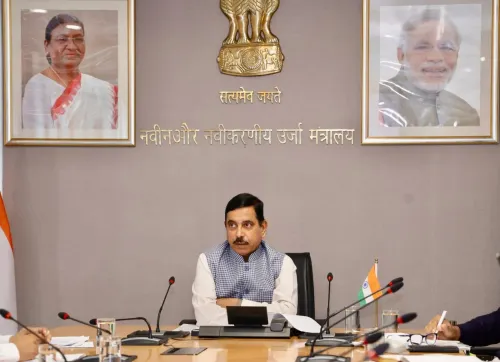
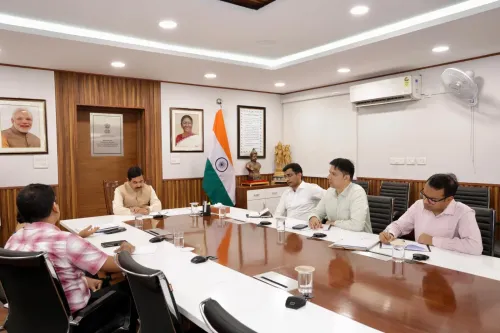
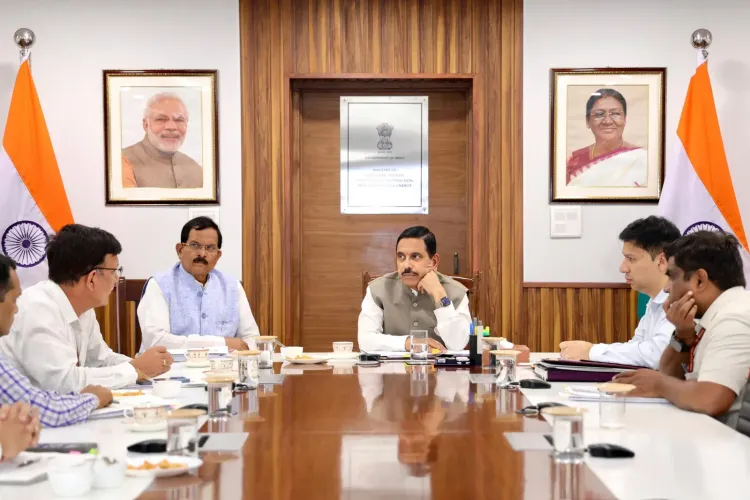
Pralhad Joshi chaired a meeting with MoS Shripad Yesso Naik and senior MNRE officials on 10 August 2026 to discuss India's wind sector roadmap.
Officials were directed to conduct an in-depth assessment of the wind sector and explore measures to accelerate growth.
A specific directive was issued to assess ageing wind turbines and identify opportunities to replace them with newer, more efficient units.
The repowering strategy aims to maximise generation from existing wind sites without the need for fresh land acquisition.
MNRE's National Wind Repowering Policy has been in place since 2016 ; the meeting signals renewed push for its implementation.
India targets 500 GW of non-fossil power capacity by 2030 , with wind energy a key pillar of that goal.
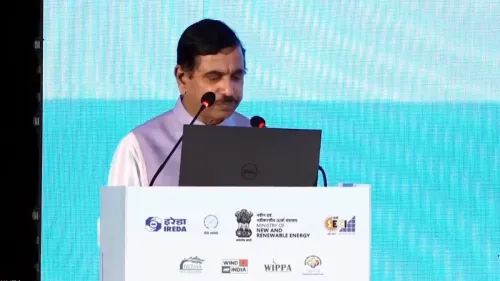
India's ageing wind fleet is about to get a hard look — and possibly a new lease on life. Union Minister of New and Renewable Energy Pralhad Joshi on Monday, 10 August 2026 chaired a high-level meeting at the Ministry of New and Renewable Energy (MNRE) to map out a growth roadmap for India's wind sector, directing officials to assess the sector in depth and identify ways to accelerate capacity addition.
Repowering old turbines at the centre of the agenda
The meeting's sharpest directive was aimed squarely at India's inventory of older wind turbines. Joshi instructed officials to assess ageing wind turbines across existing sites and identify opportunities to replace them with newer, more efficient units — a strategy known as repowering. The logic is compelling: squeeze more generation out of land already permitted, without the delays and disputes that come with acquiring fresh sites.
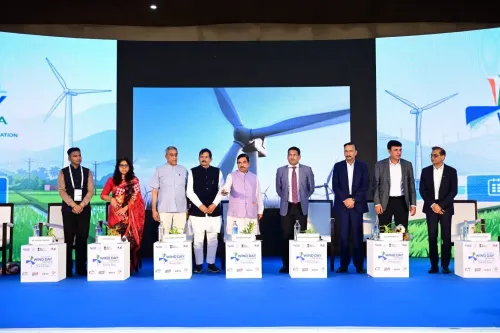
Minister of State Shripad Yesso Naik and senior MNRE officials were present at the meeting. Joshi framed the exercise as a way to 'maximise generation from existing wind sites' — a phrase that signals the government's intent to treat repowering not as a niche option but as a mainstream supply lever.
A 2016 policy waiting for its moment
MNRE's National Wind Repowering Policy, notified in 2016, already provides a framework for replacing sub-megawatt turbines with modern, higher-capacity machines at the same locations. What has lagged is aggressive implementation. Wind-rich states — Tamil Nadu, Gujarat, Maharashtra and Karnataka — host a large share of India's older installed base, and their cooperation will be critical to any repowering push that follows this assessment.
India's broader renewable ambition sharpens the urgency. The country has committed to 500 GW of non-fossil power capacity by 2030, a target that demands every available route to generation — new sites and upgraded old ones alike. Wind, which was assigned a 60 GW target as far back as India's 2015 climate pledges ahead of COP21, remains a cornerstone of that plan.
What the sector is watching for next
Monday's meeting sets the diagnostic phase in motion. The sector will now watch closely for MNRE's formal assessment report and any updated repowering guidelines or financial incentives that may flow from it — the two levers that could convert ministerial intent into turbines actually spinning faster on the ground.
A comprehensive sector review ordered at this level rarely ends without a policy output. The question is how quickly MNRE translates the minister's directions into actionable guidelines — and whether fresh incentives accompany them.
Point of View
Grid connection terms, and developer economics, none of which a single ministry meeting can settle alone. The directive for an 'in-depth assessment' suggests MNRE is building the evidence base for a stronger policy intervention — possibly revised financial incentives or updated guidelines — that could follow in the months ahead. For a government staking its climate credibility on the 500 GW target, extracting more from existing sites is both a strategic necessity and a low-controversy win.
NationPress
10 Aug 2026
Frequently Asked Questions
What was decided at the MNRE wind sector meeting on 10 August 2026?
Union Minister Pralhad Joshi directed MNRE officials to conduct an in-depth assessment of India's wind sector, explore measures to accelerate growth, and specifically evaluate ageing wind turbines to identify repowering opportunities.
What is wind turbine repowering and why does India need it?
Repowering means replacing older, less efficient wind turbines with modern, higher-capacity units at the same sites. India needs it to boost generation from existing wind locations without acquiring new land, which is both slow and contentious.
What is India's wind repowering policy?
MNRE notified the National Wind Repowering Policy in 2016 to facilitate the replacement of sub-megawatt turbines with newer, larger machines at existing wind farm sites, though large-scale implementation has remained limited.
What is India's wind energy target for 2030?
India aims to achieve 500 GW of non-fossil power capacity by 2030, with wind energy forming a major component. India had earlier set a 60 GW wind target as part of its 2015 climate pledges ahead of COP21.
Which states have the most ageing wind turbines in India?
Tamil Nadu, Gujarat, Maharashtra, and Karnataka host a significant share of India's older installed wind capacity and are expected to be central to any large-scale repowering programme.