Giriraj Singh Hails Glaw Lake as India's 101st Ramsar Site
Synopsis
Glaw Lake in Arunachal Pradesh has been declared India's 101st Ramsar site, marking a sharp rise from 26 designations in 2014. Union Textiles Minister Giriraj Singh called it a landmark in India's environmental and biodiversity conservation commitment.
Key Takeaways
Glaw Lake in Arunachal Pradesh has been designated India's 101st Ramsar wetland site .
India held only 26 Ramsar designations in 2014 ; the count has nearly quadrupled since.
India became a party to the Ramsar Convention in 1982 ; the treaty dates to 1971 .
The Northeast addition addresses a historic underrepresentation of the region in India's formal conservation framework.
Ramsar designation obligates India to promote conservation and 'wise use' of the listed wetland under international treaty commitments.
State-level management plans for Glaw Lake will determine whether the designation delivers real on-ground protection.
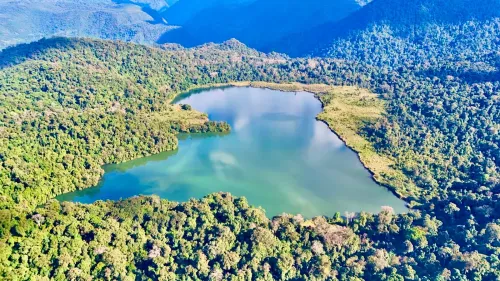
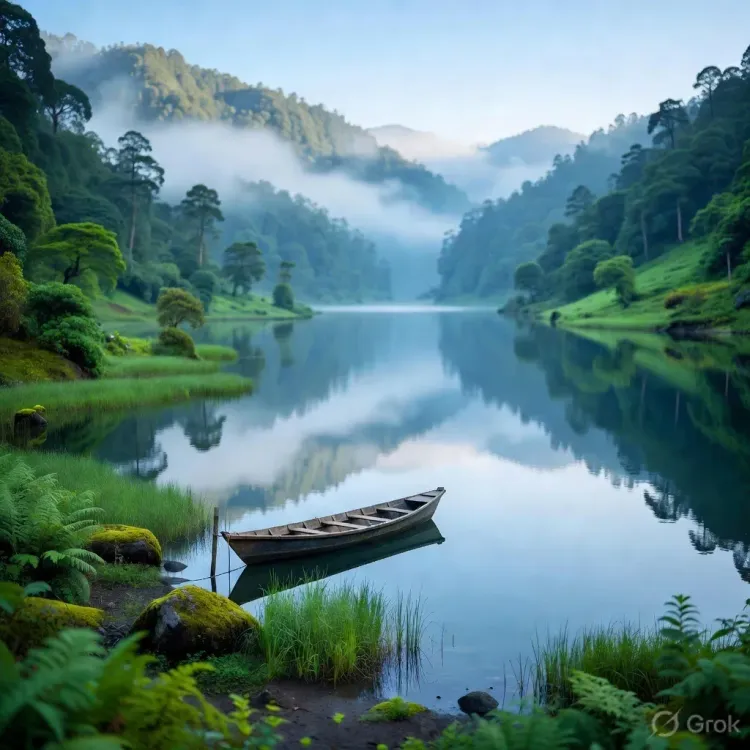
A remote high-altitude lake in Arunachal Pradesh has just written itself into India's conservation history. Glaw Lake has been declared India's 101st Ramsar site — and Union Textiles Minister Giriraj Singh marked the milestone on Monday, August 10, 2026, calling it a significant achievement in the country's journey toward protecting its natural and biological heritage.
From 26 to 101: A Decade of Wetland Commitments
The numbers tell the story plainly. When 2014 began, India held 26 Ramsar designations — a count that had barely moved since the country signed on to the Ramsar Convention in 1982. Today that number stands at 101. Singh framed this leap not as bureaucratic box-ticking but as a statement of national intent, writing that the expansion 'paryavaran sanrakshan aur prakriti ke prati desh ki pratibaddhataa ko darshata hai' — reflects the country's commitment to environmental protection and nature.
The Ramsar Convention, signed in the Iranian city of Ramsar in 1971, is the oldest modern intergovernmental environmental treaty. Designation under it obligates signatory nations to promote the conservation and 'wise use' of listed wetlands — carrying weight well beyond a symbolic label.
Why Glaw Lake and Why the Northeast
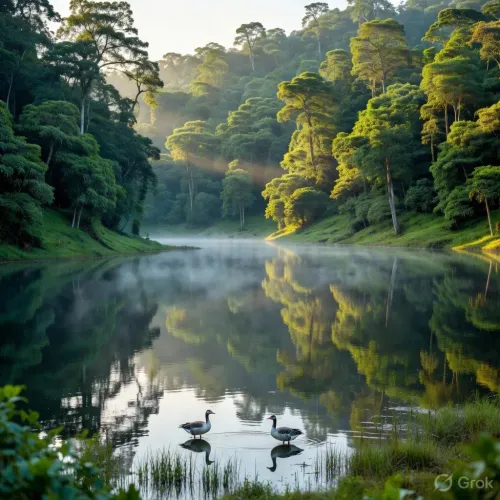
Arunachal Pradesh sits at the intersection of the Eastern Himalayas and the Indo-Burma biodiversity hotspot — two of the world's most ecologically dense zones. High-altitude lakes like Glaw Lake serve as critical stopovers for migratory birds, freshwater reservoirs, and buffers against downstream flooding. Adding northeastern wetlands to the Ramsar list plugs a long-standing gap: the region's ecosystems, though extraordinarily rich, have historically been underrepresented in India's formal conservation architecture.
The designation also strengthens India's standing in multilateral environmental reporting, particularly as countries face mounting pressure to meet global biodiversity targets.
What the 101st Site Means on the Ground
A Ramsar listing is a beginning, not a finish line. The real test now shifts to Arunachal Pradesh — whether state authorities develop and enforce a site-management plan that balances conservation with the livelihoods of local communities who depend on the lake. Wetland conservationists will be watching whether the designation translates into on-ground protection or remains a number on a government list.
India crossing the 100-site threshold is a diplomatic and symbolic landmark. The harder, quieter work of keeping those wetlands healthy is what determines whether the milestone endures.
Point of View
Internationally audited number that signals policy seriousness. The inclusion of northeastern wetlands is particularly significant: it extends formal conservation architecture into a region that has long been ecologically vital but administratively overlooked. The real policy question, however, is whether designations are being matched by management budgets and enforcement capacity at the state level — without which a Ramsar listing risks becoming a reputational asset rather than an ecological one.
NationPress
25 Sept 2026
Frequently Asked Questions
What is Glaw Lake and where is it located?
Glaw Lake is a high-altitude lake in Arunachal Pradesh , a northeastern Indian state located in the Eastern Himalayas biodiversity hotspot. It has recently been designated as a Ramsar wetland site.
What does it mean for a lake to be declared a Ramsar site?
A Ramsar designation means the wetland is listed under the 1971 Ramsar Convention , an international treaty that obligates signatory countries to conserve the site and promote its 'wise use,' including sustainable management and protection of biodiversity.
How many Ramsar sites does India have now?
India now has 101 Ramsar-designated wetlands , up from just 26 in 2014 . Glaw Lake in Arunachal Pradesh is the most recent addition.
When did India join the Ramsar Convention?
India became a party to the Ramsar Convention in 1982 , nearly a decade after the treaty was originally signed in Ramsar, Iran, in 1971 .
Why is adding northeastern wetlands to the Ramsar list significant?
The northeastern region sits within two global biodiversity hotspots but has historically been underrepresented in India's formal conservation designations. Adding sites like Glaw Lake helps close that gap and strengthens India's biodiversity reporting under international agreements.