Bhupender Yadav announces India's 101st Ramsar Site
Synopsis
India has designated Glaw Lake in Arunachal Pradesh as its 101st Ramsar Site — the state's first. Nestled in Kamlang Tiger Reserve, the lake hosts over 150 tree and 49 orchid species. The milestone marks a near-quadrupling of India's Ramsar network since 2014, when the count stood at 26.
Key Takeaways
Glaw Lake in Arunachal Pradesh has been designated India's 101st Ramsar Site , the first in the state.
The lake lies within the Kamlang Tiger Reserve and Wildlife Sanctuary in the Eastern Himalayas .
The site and its catchment record more than 150 tree species and 49 orchid species .
India's Ramsar count has grown from 26 sites in 2014 to 101 today — a near-quadrupling in roughly a decade.
India joined the Ramsar Convention in 1982 ; its first designated site, Chilika Lake , was listed in 1981 .
The designation is expected to support biodiversity protection, water security, and sustainable livelihoods for local communities.
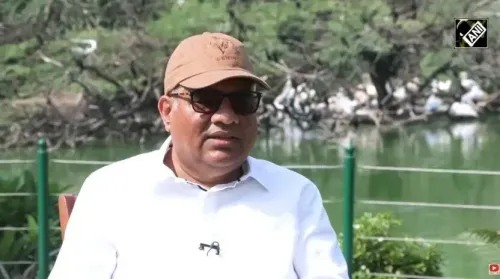
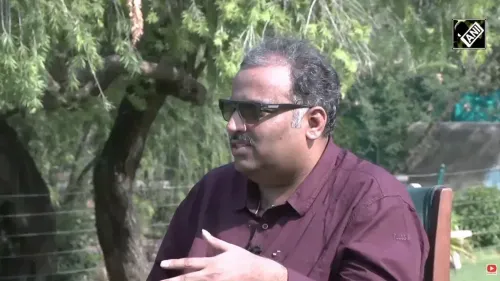
A pristine freshwater lake tucked inside a tiger reserve in the Eastern Himalayas has just written itself into India's conservation history. Union Environment Minister Bhupender Yadav announced on Monday, 3 August 2026 that Glaw Lake in Arunachal Pradesh has been designated India's 101st Ramsar Site — making it the state's first-ever wetland to receive the international recognition.
Glaw Lake: a biodiversity vault inside Kamlang Tiger Reserve
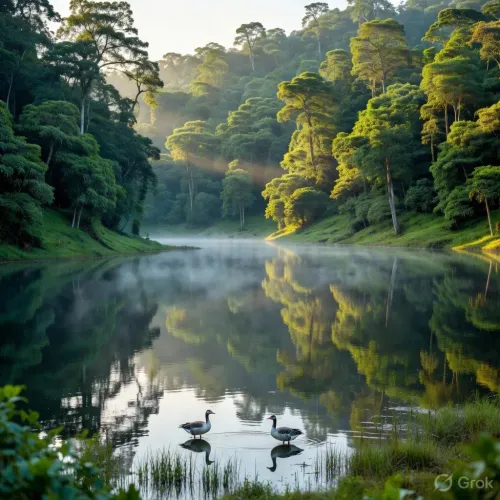
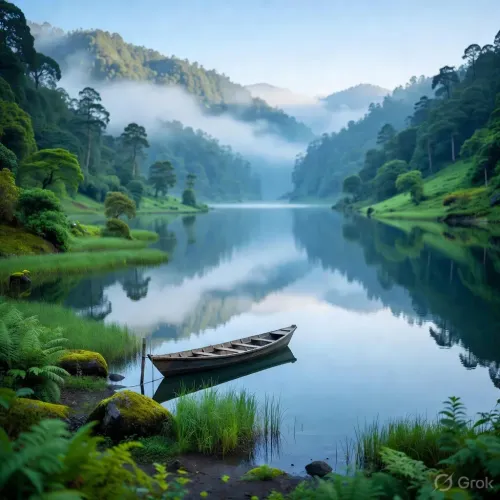
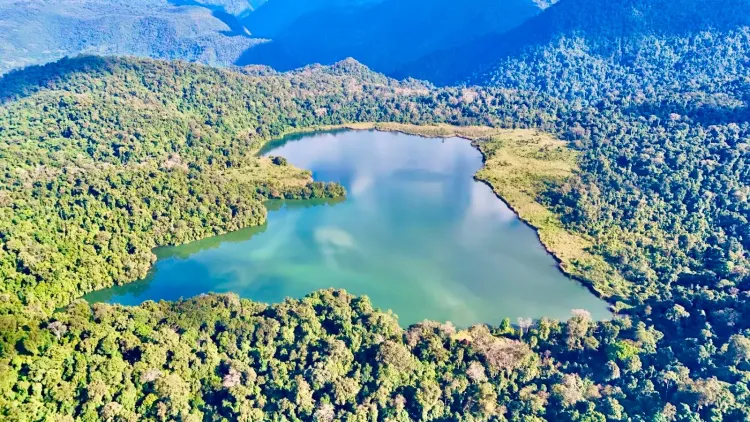
Glaw Lake sits within the Kamlang Tiger Reserve and Wildlife Sanctuary, notified in 2019, in the ecologically rich northeastern corner of India. Fed by perennial mountain streams, the lake and its catchment host more than 150 tree species and 49 orchid species — numbers that underscore why conservationists had long flagged this corridor as a priority zone. The Eastern Himalayas are among the world's most critical biodiversity hotspots, and a Ramsar designation brings both international visibility and a framework for managed protection to a landscape that was already doing a great deal of ecological heavy lifting.
Minister Yadav framed the designation as a triple win: for biodiversity, for water and climate security, and for the sustainable livelihoods of communities that depend on the lake's resources. That framing matters — high-altitude wetlands in the Himalayas act as natural water towers, regulating river flows that millions downstream rely on.
From 26 to 101: the decade-long Ramsar sprint
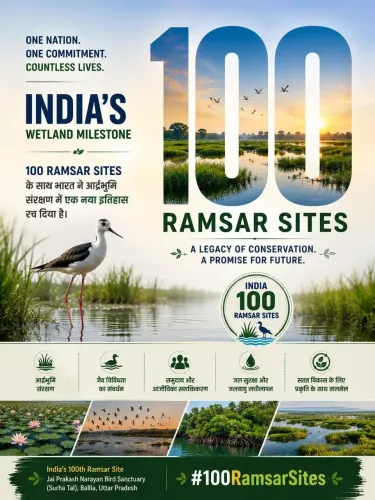
The numbers tell a striking story. When Prime Minister Narendra Modi took office in 2014, India had 26 Ramsar Sites — a count that had accumulated over more than three decades since India joined the Ramsar Convention in 1982. India's first designated site, Chilika Lake in Odisha, was listed in 1981, a year before formal accession. The jump from 26 to 101 sites in roughly a decade represents a near-quadrupling of the designated wetland network — a pace with few parallels among signatory nations.
The Ramsar Convention, adopted in 1971, is the oldest modern intergovernmental environmental treaty. Designation under it does not transfer land ownership but commits the signatory government to maintaining the ecological character of the site and integrating wetland conservation into national planning. Each new listing, in theory, triggers management planning, monitoring, and funding attention.
What Arunachal's first listing means on the ground
For Arunachal Pradesh, a state that has remained underrepresented in India's formal conservation map despite its extraordinary ecological wealth, the Glaw Lake listing is a landmark. The state borders China, Bhutan, and Myanmar, and its forests and wetlands are part of transboundary ecosystems that support migratory species and regulate regional hydrology. A Ramsar tag opens the door to international technical cooperation and conservation financing that purely domestic designations do not.
The immediate watch item is whether the designation is followed by a formal management plan and dedicated budget — the gap between listing and active stewardship has historically been the weak link in India's Ramsar story. With 101 sites now on the register, the pressure to move from milestone announcements to on-ground outcomes will only intensify.
India has just crossed a century in wetland designations. The next question is whether the century translates into a century's worth of conservation impact.
Point of View
And the choice of Arunachal Pradesh, a geopolitically sensitive frontier state, adds a layer of strategic signalling beyond pure ecology. The near-quadrupling of India's Ramsar network since 2014 is a genuine achievement in international environmental diplomacy, but it has also sharpened scrutiny of the gap between listing and active management. With 101 sites now on the register, the government faces growing pressure from conservation groups to demonstrate that designations are backed by management plans and dedicated funding rather than serving primarily as headline metrics. The Eastern Himalayas listing also fits a broader pattern of using biodiversity frameworks to assert India's custodianship of sensitive border landscapes.
NationPress
18 Sept 2026
Frequently Asked Questions
What is Glaw Lake and why has it been in the news?
Glaw Lake is a freshwater lake in Arunachal Pradesh's Kamlang Tiger Reserve that has been designated India's 101st Ramsar Site — the first Ramsar designation for any wetland in the state. The announcement was made by Union Environment Minister Bhupender Yadav on 3 August 2026.
How many Ramsar Sites does India have now?
India now has 101 Ramsar Sites following the designation of Glaw Lake. The count stood at 26 in 2014 and has grown rapidly over the past decade.
What is the Ramsar Convention?
The Ramsar Convention is an international treaty on wetland conservation adopted in 1971 . India became a signatory in 1982 . Designation under the convention commits governments to maintaining the ecological character of listed wetlands and integrating their conservation into national planning.
Where is Kamlang Tiger Reserve located?
Kamlang Tiger Reserve and Wildlife Sanctuary is located in Arunachal Pradesh in northeastern India, in the Eastern Himalayas. It was notified as a tiger reserve in 2019 .
What biodiversity does Glaw Lake support?
Glaw Lake and its catchment have recorded more than 150 tree species and 49 orchid species . The lake is fed by perennial mountain streams and is surrounded by lush vegetation in one of the world's most significant biodiversity hotspots.