CM Mohan Yadav: New Police Battalion to Include PVTG Tribal Companies
Synopsis
Madhya Pradesh CM Dr. Mohan Yadav announced on 10 August 2026 that dedicated police companies for the Baiga, Bharia, and Saharia Particularly Vulnerable Tribal Groups will be formed alongside a new state police battalion, expanding structured employment access for India's most marginalised tribal communities.
Key Takeaways
Mohan Yadav announced on 10 August 2026 that a new Madhya Pradesh police battalion will include dedicated companies for Baiga, Bharia, and Saharia tribes.
All three communities are classified as Particularly Vulnerable Tribal Groups (PVTGs) — India's most socio-economically marginalised tribal category.
The move is grounded in Articles 15(4) and 16(4) of the Constitution, which permit special state provisions for Scheduled Tribe advancement in public employment.
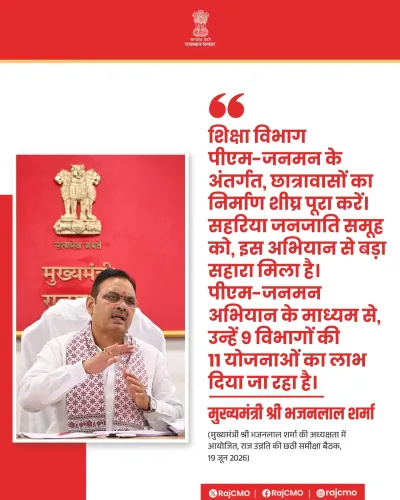
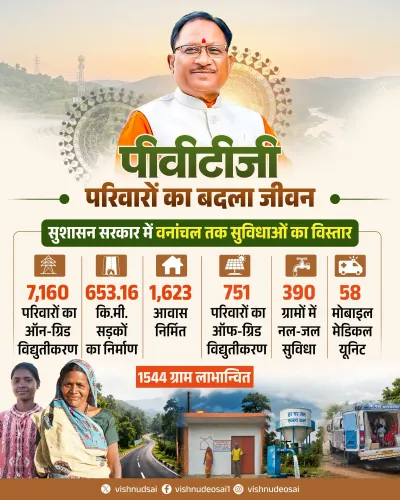
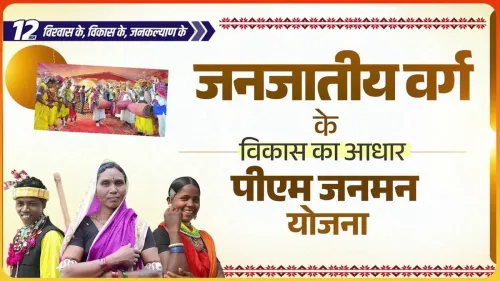
The national PM JANMAN scheme (2023) already targets PVTG development, and this police recruitment initiative aligns with that broader framework.
Key implementation details — battalion name, sanctioned strength, selection criteria, and recruitment timelines — are yet to be officially notified.
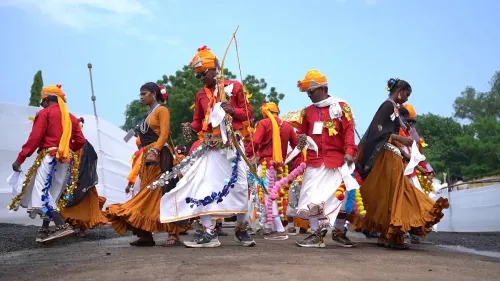
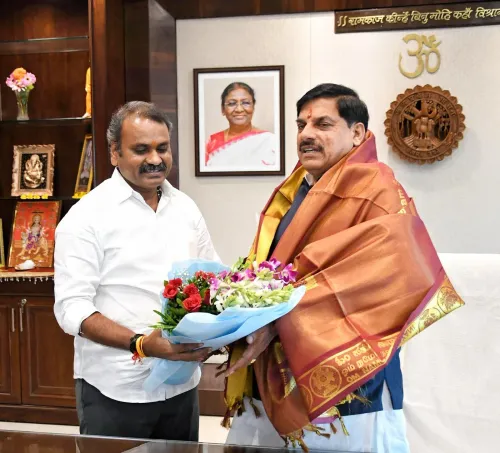
A new police battalion in Madhya Pradesh will do more than add numbers — it will open a door that has long been shut for some of India's most marginalised communities. Madhya Pradesh Chief Minister Dr. Mohan Yadav announced on Monday, 10 August 2026 that dedicated companies for the Baiga, Bharia, and Saharia tribes will be formed alongside the new battalion, giving youth from these Particularly Vulnerable Tribal Groups (PVTGs) a structured pathway into the state police force.
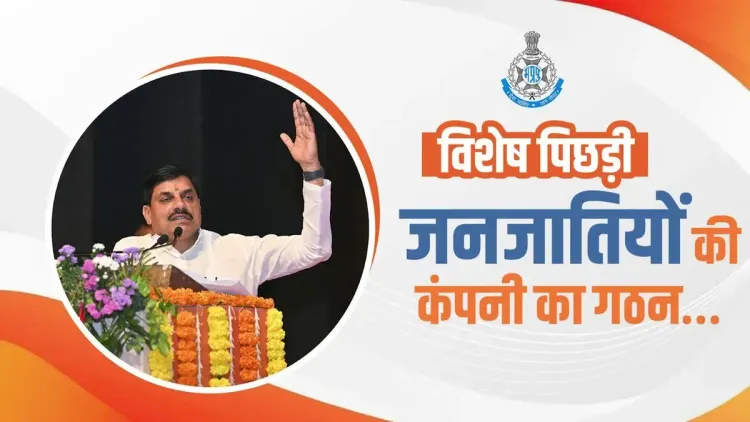
Posting in Hindi, the Chief Minister stated: 'नई बटालियन के गठन के साथ ही बैगा, भारिया एवं सहरिया जैसी अति पिछड़ी जनजातियों की कंपनियों का गठन भी किया जाएगा' — 'Along with the formation of the new battalion, companies of extremely backward tribes like Baiga, Bharia, and Saharia will also be formed, so that youth from these communities can get opportunities in the police force in large numbers.'
Who Are the Baiga, Bharia, and Saharia?
These are not simply 'tribal communities' in a generic sense. The Baiga, Bharia, and Saharia are classified by the Government of India as Particularly Vulnerable Tribal Groups (PVTGs) — a designation reserved for communities facing the deepest layers of socio-economic exclusion: low literacy, declining or stagnant populations, and pre-agricultural or forest-dependent livelihoods. Madhya Pradesh is home to a significant concentration of all three. The Baiga and Bharia are concentrated in the forested districts of central and eastern MP; the Saharia straddle the MP-Rajasthan border. For these groups, a uniform has historically been far out of reach.Affirmative Action in Uniform: The Constitutional and Policy Frame
The move sits squarely within India's constitutional framework. Articles 15(4) and 16(4) of the Constitution explicitly permit the state to make special provisions for the advancement of Scheduled Tribes in public employment — and PVTGs, as the most vulnerable subset, carry the strongest case for targeted intervention. Madhya Pradesh has previously used special recruitment provisions in its police and other forces to address tribal underrepresentation, but carving out dedicated companies within a battalion specifically for PVTG communities represents a sharper, more targeted instrument than broad ST reservations alone. At the national level, the PM JANMAN scheme, launched in 2023, identified PVTGs including those in Madhya Pradesh for targeted livelihood and development support — signalling that the Centre and state are moving in the same direction on PVTG inclusion.What an Official Notification Will Need to Answer
The announcement establishes intent; the architecture still needs to be built. The battalion's name, its sanctioned strength, the selection process for PVTG companies, and district-wise recruitment timelines have not yet been officially notified. Those details will determine whether this becomes a landmark recruitment drive or a well-intentioned headline. Advocates for PVTG communities will be watching the fine print — particularly whether physical and educational eligibility criteria are calibrated to reflect the ground realities of these groups. For a young Baiga or Saharia man or woman in a remote forest village, the promise is concrete: a government job, a salary, a uniform, and a stake in the institution that polices their own land. That is the weight behind this announcement — and the standard against which its delivery will be judged.Point of View
Who took office in December 2023, this is also a governance signal: that his administration will use institutional levers, not just welfare transfers, to address PVTG exclusion. The real test, however, is implementation — past tribal recruitment drives in MP have sometimes stalled at the notification stage, and PVTG-specific criteria will need to be carefully designed to ensure these communities can actually clear the process. If executed well, this could become a model for other PVTG-heavy states like Odisha, Jharkhand, and Chhattisgarh.
NationPress
10 Aug 2026
Frequently Asked Questions
Which tribes will get dedicated companies in the new Madhya Pradesh police battalion?
The Baiga, Bharia, and Saharia tribes — all classified as Particularly Vulnerable Tribal Groups (PVTGs) — will have dedicated companies formed within the new Madhya Pradesh police battalion, according to CM Dr. Mohan Yadav's announcement on 10 August 2026.
What is a Particularly Vulnerable Tribal Group (PVTG) in India?
PVTGs are a subset of Scheduled Tribes identified by the Government of India as facing the most acute socio-economic marginalisation, characterised by low literacy, forest-dependent livelihoods, and small or declining populations. India has 75 officially designated PVTGs, and Madhya Pradesh is home to several including the Baiga, Bharia, and Saharia.
What is the PM JANMAN scheme and how does it relate to this announcement?
The PM JANMAN scheme, launched by the Government of India in 2023, provides targeted development and livelihood support to PVTGs across the country. CM Yadav's police battalion announcement aligns with this national framework by extending PVTG inclusion into state employment.
Is reserving police posts for specific tribes constitutionally valid?
Yes. Articles 15(4) and 16(4) of the Indian Constitution explicitly allow the state to make special provisions for the advancement of Scheduled Tribes in public employment, providing the legal basis for dedicated PVTG companies within the police force.
When will the new Madhya Pradesh tribal police battalion be formed?
An official notification with the battalion's name, sanctioned strength, selection process, and recruitment timelines has not yet been released. CM Yadav's post on 10 August 2026 announced the intent; implementation details are pending.