MP CM Yadav Announces ₹1,500 Monthly Aid for PVTG Women
Synopsis
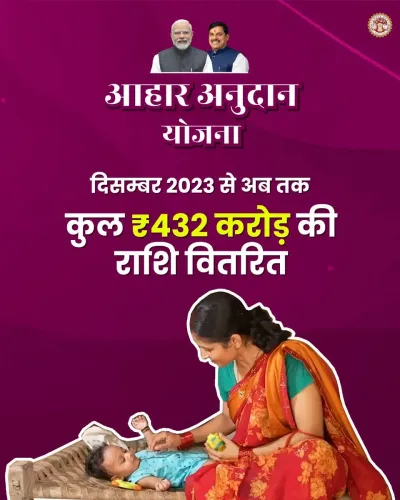
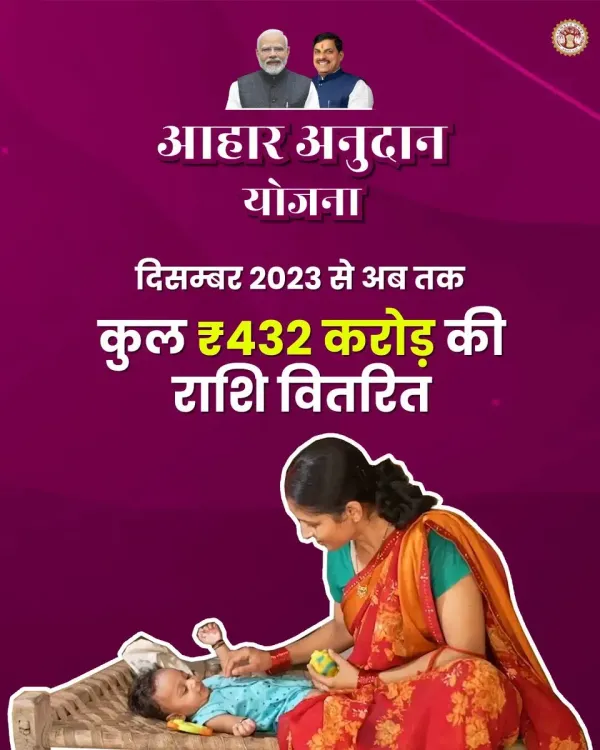
Madhya Pradesh's Aahar Anudan Yojana will provide ₹1,500 per month to women heads of households from Particularly Vulnerable Tribal Groups, the Chief Minister's Office announced on 27 May 2026, framing the scheme as a nutrition and security initiative for the state's most marginalised tribal communities.
Key Takeaways
The Chief Minister's Office of Madhya Pradesh announced the Aahar Anudan Yojana on 27 May 2026 .
Women heads of households from Specially Backward Tribes (PVTGs) will receive ₹1,500 per month in direct financial assistance.
The scheme is framed as a nutrition and household security initiative targeting the state's most marginalised tribal communities.
Mohan Yadav was tagged in the announcement, indicating his office's direct association with the scheme.
The initiative aligns with Madhya Pradesh 's broader pattern of women-centric direct benefit transfer programmes expanded since 2023 .
Implementation details and beneficiary registration data are expected from the Department of Tribal Welfare, Madhya Pradesh .
The Chief Minister's Office of Madhya Pradesh announced on Wednesday, 27 May 2026, that the state government's Aahar Anudan Yojana will provide a monthly financial assistance of ₹1,500 to women heads of households belonging to Specially Backward Tribes (Particularly Vulnerable Tribal Groups) across the state, framing the scheme as a pillar of nutrition and security for every household.
Context
The post, shared from the official handle of the Chief Minister's Office and tagging Chief Minister Dr. Mohan Yadav, describes the scheme as delivering 'poshan aur suraksha ka sambal' (the support of nutrition and security) to every home. The direct benefit transfer of ₹1,500 per month is directed specifically at women who serve as the primary heads of their households within Specially Backward Tribal communities, a category that largely overlaps with what the central government designates as Particularly Vulnerable Tribal Groups (PVTGs).
Policy Backdrop
Madhya Pradesh is home to one of the largest tribal populations in India, including several communities classified as PVTGs — groups identified by the central government as among the most socially and economically marginalised. The Department of Tribal Welfare, Madhya Pradesh, is the nodal body responsible for implementing welfare measures targeting these communities, operating within the framework of the central government's PVTG Development Programme, which has been a component of the Tribal Sub-Plan since the Fifth Five Year Plan period.
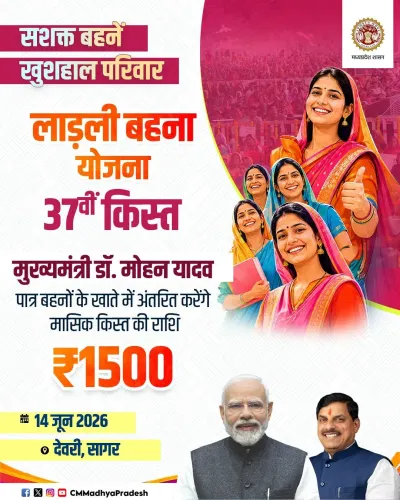
The Aahar Anudan Yojana fits within a broader shift in state welfare policy that gained momentum from 2023 onward, when the Madhya Pradesh government expanded women-centric direct benefit transfer programmes, most notably the Ladli Behna Yojana. Monthly cash transfers to women have increasingly been used by Indian states with large tribal populations as an instrument for simultaneously addressing nutrition insecurity and economic disempowerment at the household level.
Stakeholders and Impact
The primary beneficiaries are women heads of households from PVTG communities — a group that faces compounded vulnerabilities including geographic isolation, limited access to formal employment, and chronic food insecurity. By routing the assistance directly to women in leadership roles within their households, the scheme aligns with central and state guidelines that prioritise gender-focused welfare delivery.
Broader PVTG families stand to benefit indirectly, as the monthly transfer is intended to supplement household nutrition budgets. Madhya Pradesh's approach mirrors patterns seen across central and eastern India, where state governments have increasingly integrated gender-targeted cash transfers into their tribal welfare architecture, complementing in-kind food security programmes.
What's Next
Rollout details, beneficiary registration processes, and operational guidelines are expected to be released by the Department of Tribal Welfare, Madhya Pradesh. Specific figures on total beneficiary numbers and disbursement timelines may be referenced in the state's budget discussions or assembly sessions for 2026-27. The scheme's implementation will be closely watched as a test of the state's capacity to reach the most remote PVTG settlements with direct financial support.
Point of View
Now extended to the state's most politically and economically peripheral communities. Routing the benefit specifically to women heads of PVTG households signals a deliberate effort to combine nutrition security with a measure of economic agency for a demographic that has historically been underserved by mainstream welfare delivery. The announcement arrives as the state approaches its 2026-27 budget cycle, suggesting the scheme may be positioned as a flagship tribal welfare commitment ahead of legislative scrutiny. Whether the programme achieves meaningful reach into remote PVTG settlements will ultimately depend on the robustness of the beneficiary identification and disbursement infrastructure the Tribal Welfare Department can deploy.
NationPress
10 Oct 2026
Frequently Asked Questions
What is Aahar Anudan Yojana in Madhya Pradesh?
Aahar Anudan Yojana is a Madhya Pradesh government scheme that provides a monthly financial assistance of ₹1,500 to women heads of households from Specially Backward Tribes, also known as Particularly Vulnerable Tribal Groups (PVTGs), to support household nutrition and economic security.
Who is eligible for Aahar Anudan Yojana?
Women who are the primary heads of their households and belong to Specially Backward Tribe or PVTG communities in Madhya Pradesh are eligible for the ₹1,500 monthly assistance under the scheme.
How much money is given under Aahar Anudan Yojana?
Eligible beneficiaries receive ₹1,500 per month as direct financial assistance under the Aahar Anudan Yojana.
What are PVTGs in India?
Particularly Vulnerable Tribal Groups (PVTGs) are communities identified by the Government of India as among the most socially and economically marginalised tribal groups, characterised by pre-agricultural technology, low literacy, economic backwardness, and declining or stagnant population. Madhya Pradesh is home to several such groups.
What tribal welfare schemes has Madhya Pradesh launched recently?
Madhya Pradesh has expanded several women-centric direct benefit transfer schemes since 2023, including the Ladli Behna Yojana and now the Aahar Anudan Yojana, which targets PVTG women heads of households with a monthly cash transfer of ₹1,500.