CM Mohan Yadav Reviews OBC and Minority Welfare Dept
Synopsis
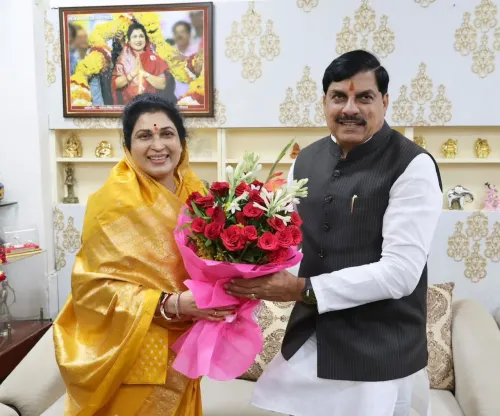
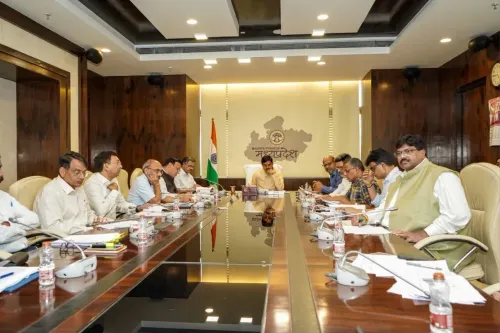
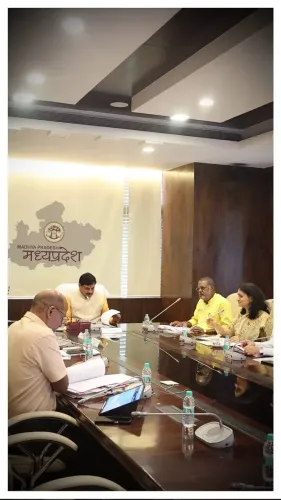
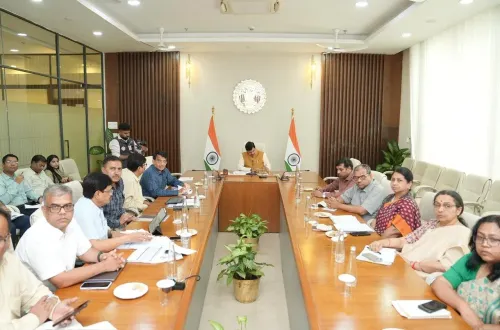
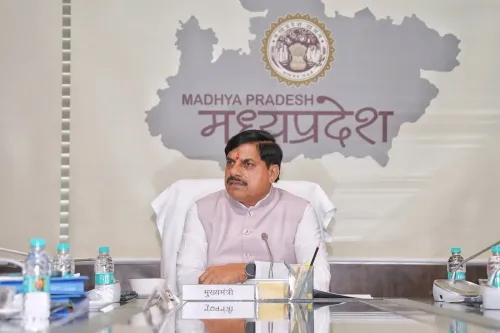
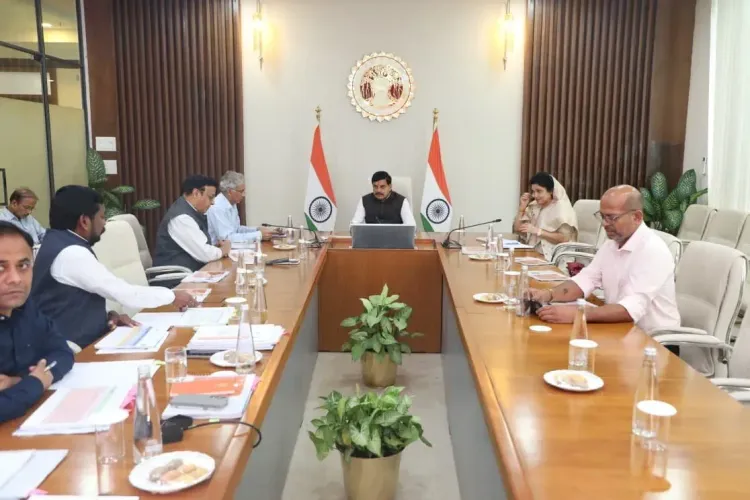
Chief Minister Dr. Mohan Yadav on June 8, 2026 chaired a review of Madhya Pradesh's Backward Class and Minority Welfare Department at Samatva Bhavan in Bhopal, issuing directives to officials with State Minister Krishna Gaur in attendance.
Key Takeaways
Mohan Yadav chaired a review meeting of the Backward Class and Minority Welfare Department on June 8, 2026 .
The meeting was held at Samatva Bhavan , the Chief Minister's official residence in Bhopal .
State Minister (Independent Charge) Krishna Gaur and senior departmental officials attended the meeting.
The Chief Minister issued necessary directives following the review of the department's work and progress.
The department is responsible for welfare schemes targeting OBC and minority communities in Madhya Pradesh .
Outcomes may influence departmental budget deployment and scheme guidelines ahead of the next assembly session.
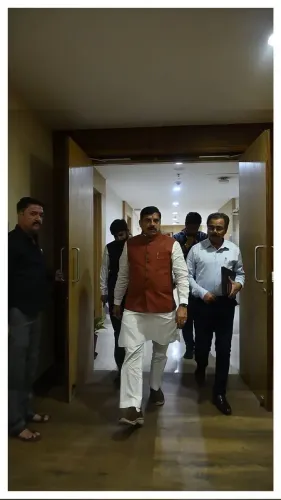
Chief Minister Dr. Mohan Yadav chaired a departmental review meeting at Samatva Bhavan, his official residence in Bhopal, on Monday, June 8, 2026, to assess the progress and functioning of Madhya Pradesh's Backward Class and Minority Welfare Department and issue necessary directives to officials.
The Chief Minister's Office announced the meeting on X, stating that Dr. Yadav 'पिछड़ा वर्ग एवं अल्पसंख्यक कल्याण विभाग के कार्यों व प्रगति की समीक्षा कर आवश्यक दिशा-निर्देश दिए' ['reviewed the work and progress of the Backward Class and Minority Welfare Department and issued necessary directives']. State Minister (Independent Charge) Krishna Gaur and senior departmental officials were present at the meeting.
Context
Madhya Pradesh is home to a substantial Other Backward Class (OBC) population alongside significant minority communities, making welfare delivery for these groups a central plank of state governance. The Backward Class and Minority Welfare Department is the nodal body responsible for implementing education, employment, and economic development schemes for these segments. Periodic review meetings of this nature are a standard administrative mechanism through which the Chief Minister's Office monitors on-ground implementation.
The meeting was held at Samatva Bhavan, the official residence of the Chief Minister, which has served as a venue for several key administrative and party-level deliberations since Dr. Mohan Yadav assumed office in December 2023 following the BJP's decisive assembly election victory in the state.
Policy Backdrop
Madhya Pradesh has maintained a dedicated department for backward class and minority welfare for over two decades, with successive administrations conducting similar reviews to align departmental functioning with constitutional provisions for affirmative action. These exercises sit within a broader national framework of OBC reservations and centrally sponsored minority-focused programmes that states are required to implement and report on.
Minister Krishna Gaur, who holds independent charge of the portfolio, has been the political face of the department's policy execution under the current administration. Her presence at the review alongside senior officials signals a coordinated assessment of both administrative progress and political priorities ahead of the next assembly session.
Stakeholders and Impact
The direct beneficiaries of the department's schemes are OBC communities and minority populations across Madhya Pradesh, who access a range of state-funded programmes in scholarship support, skill development, and economic uplift. The outcome of such reviews typically shapes how departmental budgets are deployed and whether scheme guidelines are revised mid-cycle.
Civil society organisations working on OBC and minority rights in the state often track these meetings as indicators of administrative intent, particularly in the run-up to state budget discussions and the legislative session, where departmental performance is subject to scrutiny.
What's Next
The directives issued by CM Dr. Mohan Yadav at the June 8 meeting are expected to be operationalised by departmental officials in the weeks ahead, with potential implications for scheme implementation timelines and resource allocation. Observers will watch for any announcements on revised guidelines or new welfare initiatives that may follow from this review.
The performance of the Backward Class and Minority Welfare Department is also likely to feature in discussions during the next Madhya Pradesh assembly session, where legislators from constituencies with large OBC and minority populations routinely raise questions on welfare delivery and fund utilisation.
Point of View
The Chief Minister reinforces a top-down oversight model that has become a visible governance pattern since he took office in December 2023. Such reviews also serve a political function: they generate a public record of executive engagement on inclusion ahead of assembly sessions where opposition parties routinely press the government on welfare delivery gaps. How the directives issued translate into measurable scheme outcomes will be the real test of whether this review moves beyond optics.
NationPress
23 Oct 2026
Frequently Asked Questions
Why did CM Mohan Yadav hold a review of the Backward Class and Minority Welfare Department?
CM Dr. Mohan Yadav convened the meeting on June 8, 2026 to assess the progress of the Backward Class and Minority Welfare Department and issue directives to improve implementation of schemes for OBC and minority communities in Madhya Pradesh.
Who is Krishna Gaur and what is her role in Madhya Pradesh?
Krishna Gaur is a BJP leader serving as State Minister with Independent Charge of the Backward Class and Minority Welfare Department in the Madhya Pradesh government under Chief Minister Dr. Mohan Yadav.
What does the Backward Class and Minority Welfare Department do in Madhya Pradesh?
The department implements state-funded schemes in education, employment, and economic development targeting OBC and minority populations in Madhya Pradesh, in line with constitutional provisions for affirmative action.
Where was the June 2026 welfare review meeting held?
The meeting was held at Samatva Bhavan, the official residence of the Chief Minister of Madhya Pradesh, located in Bhopal.
What happens after a departmental review meeting by the Chief Minister?
Following such reviews, departmental officials are expected to act on the directives issued by the Chief Minister. Outcomes may include revised scheme guidelines, adjusted budget deployment, or new welfare initiatives, which are often discussed in the next assembly session.