South Korea feels Middle East crisis heat as consumer prices rise
Synopsis
South Korea's record exports haven't insulated its households — the Middle East war is now visibly pushing up consumer prices, prompting Seoul to fast-track a second-half economic security strategy. Finance Minister Koo Yun-cheol's inter-ministerial emergency session signals that the government sees the crisis as a structural test, not a temporary blip.
Key Takeaways
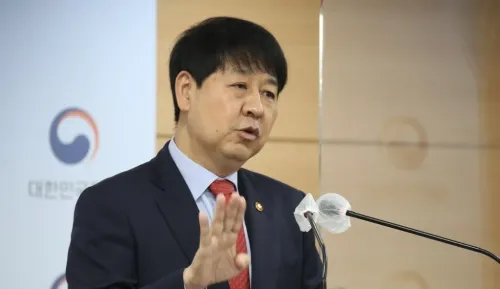
Finance Minister Koo Yun-cheol chaired an emergency ministerial meeting in Seoul on 15 May to address economic fallout from the Middle East conflict .
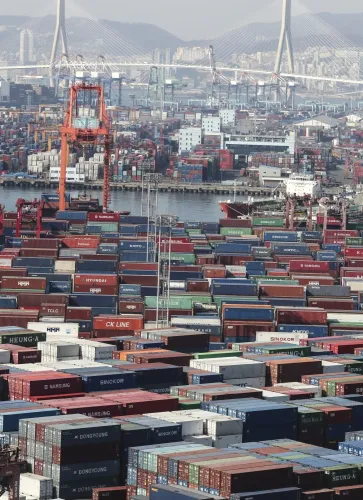
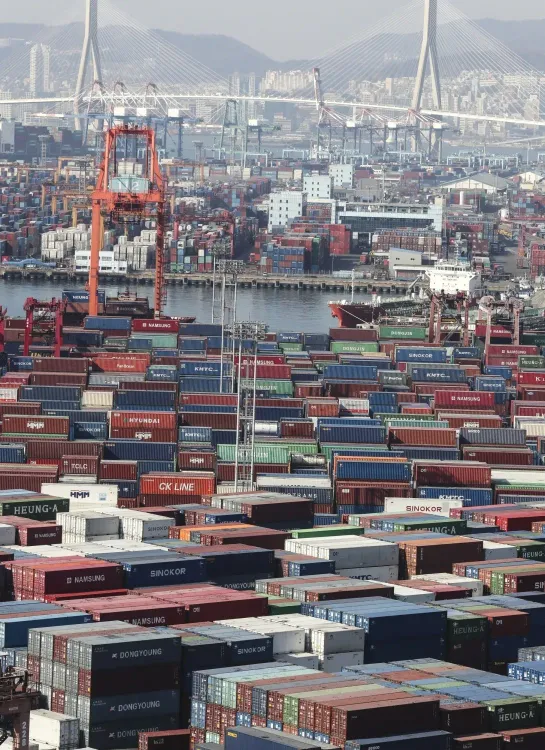
Rising consumer prices are affecting household livelihoods despite South Korea posting record exports and current account surpluses.
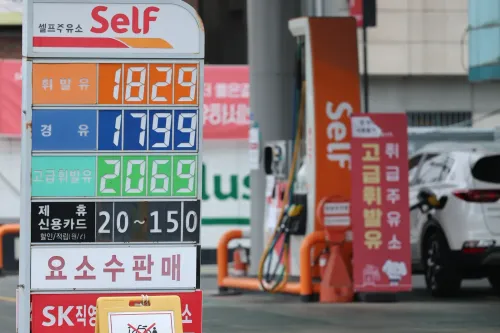
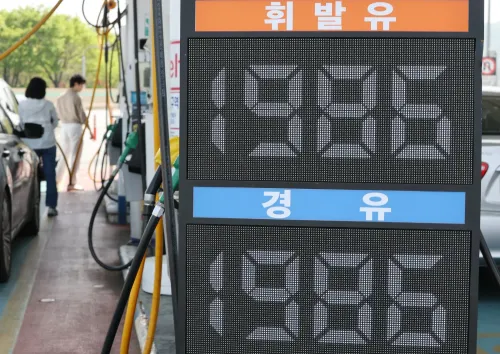
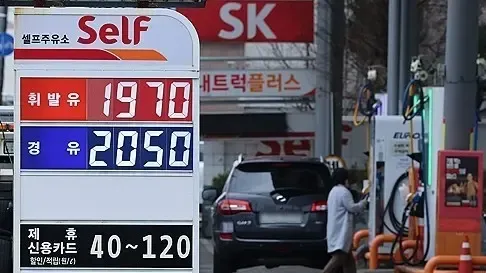
The government's fuel price ceiling scheme has kept pump prices below the cap, with retailers praised for their cooperation.
A new economic growth strategy for the second half of 2026 — focused on economic security and semiconductor growth — is due by end of June 2026 .
Separately, the government pledged to accelerate housing supply and crack down on unfair practices in the real estate market .
South Korea is increasingly bearing the economic cost of the prolonged Middle East conflict, with rising consumer prices beginning to weigh on household livelihoods even as the country posts record export figures, Finance Minister Koo Yun-cheol said on Friday, 15 May. The minister chaired an emergency meeting of economy-related ministers in Seoul to assess countermeasures against the geopolitical crisis's spillover effects.
What the Finance Minister Said
'While South Korea has shown strong resilience against crises by posting record exports, current account surpluses and stock market indexes, the prolonged war has started to have a visible impact on the real economy and people's livelihoods,' Koo said, according to the Ministry of Finance and Economy.
'The government intends to minimise challenges to people's livelihoods caused by the Middle East crisis while closely monitoring situations at home and abroad,' he added. Koo also expressed gratitude to local fuel retailers for cooperating with the government's fuel price ceiling scheme, noting that market prices currently remain below the cap.
Second-Half Growth Strategy in the Works
The finance minister said the government is drawing up an economic growth strategy for the second half of 2026, with economic security as a central pillar — drawing lessons directly from the Middle East war's disruptions. The strategy will also address the semiconductor industry boom and measures to ease economic polarisation. The plan is expected to be released by the end of June 2026.
Supply Chain and Energy Stability Measures
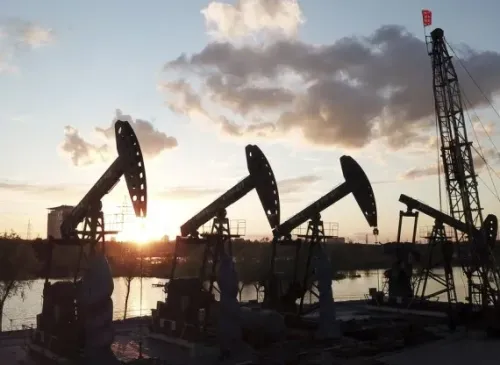
South Korea, which imports the vast majority of its energy needs, is particularly vulnerable to prolonged instability in the Middle East. The government's fuel price ceiling scheme has so far kept pump prices in check, but officials have signalled a readiness to deploy additional tools if global oil markets tighten further. Notably, this is the second major inter-ministerial review session focused on the crisis's economic fallout in recent weeks.
Real Estate Market Also on the Radar
Koo separately presided over a meeting of real estate-related ministers, where he stressed that a prompt housing supply is the government's top priority for stabilising the property market. 'A prompt supply of housing is more critical than anything else,' he said, adding that the government will work to shorten the approval and delivery process for new homes. Officials also pledged stern action against unfair practices in the real estate market, with relevant regulatory bodies actively monitoring the sector.
With the second-half growth strategy due at the end of June, the coming weeks will test whether Seoul's proactive posture can shield ordinary households from further price pressures as the Middle East crisis shows no signs of resolution.
Point of View
Not a cyclical shock. What mainstream coverage underplays is the political pressure building at home — consumer price inflation is the issue that moves voters, and record trade surpluses offer little comfort at the petrol pump or the grocery checkout. The real test will be whether the June growth strategy delivers concrete supply-chain diversification measures or remains a high-level statement of intent.
NationPress
20 Sept 2026
Frequently Asked Questions
How is the Middle East conflict affecting South Korea's economy?
The prolonged Middle East conflict is pushing up consumer prices in South Korea, impacting household livelihoods even as the country records strong exports and current account surpluses. Finance Minister Koo Yun-cheol confirmed on 15 May that the war's impact on the real economy has become 'visible.'
What steps is the South Korean government taking to counter the impact?
The government has activated a fuel price ceiling scheme to keep pump prices in check and convened an emergency inter-ministerial meeting to assess countermeasures. A broader economic growth strategy for the second half of 2026, focused on economic security and supply chain resilience, is being finalised for release by end of June.
When will South Korea release its second-half 2026 economic growth strategy?
The Ministry of Finance and Economy has indicated the growth strategy for the second half of 2026 will be released by the end of June 2026. It will focus on economic security, the semiconductor industry boom, and measures to ease economic polarisation.
What is South Korea's fuel price ceiling scheme?
It is a government mechanism that caps retail fuel prices at a set level to shield consumers from global oil price spikes. Finance Minister Koo noted that current market prices remain below the cap and thanked local gas stations for cooperating with the scheme.
What did the government say about the real estate market?
Finance Minister Koo Yun-cheol said a prompt supply of housing is the government's top priority for stabilising the property market. The government also pledged to shorten home delivery timelines and take stern action against unfair practices in the real estate sector.