South Korea economy recovery: KDI flags strong exports, Middle East risks
Synopsis
South Korea's chip exports hit an all-time April record — up 173.5% year-on-year to $31.9 billion — as the KDI confirmed a broad-based recovery in exports and consumption. But with consumer prices at a 21-month high and the Middle East conflict clouding the trade outlook, the recovery's durability is far from guaranteed.
Key Takeaways
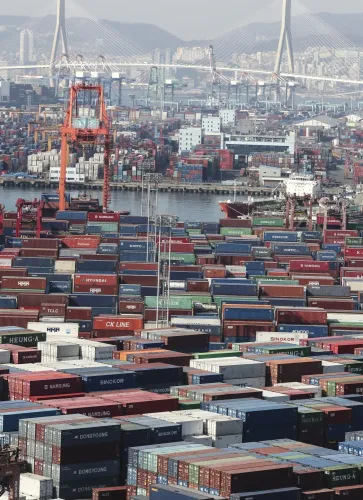
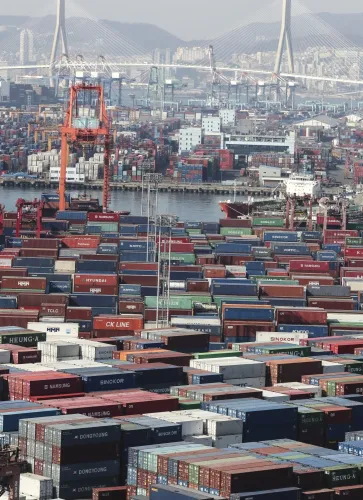
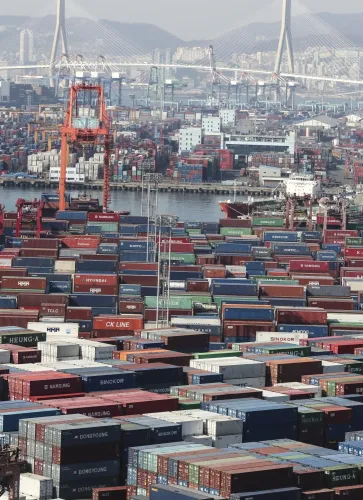
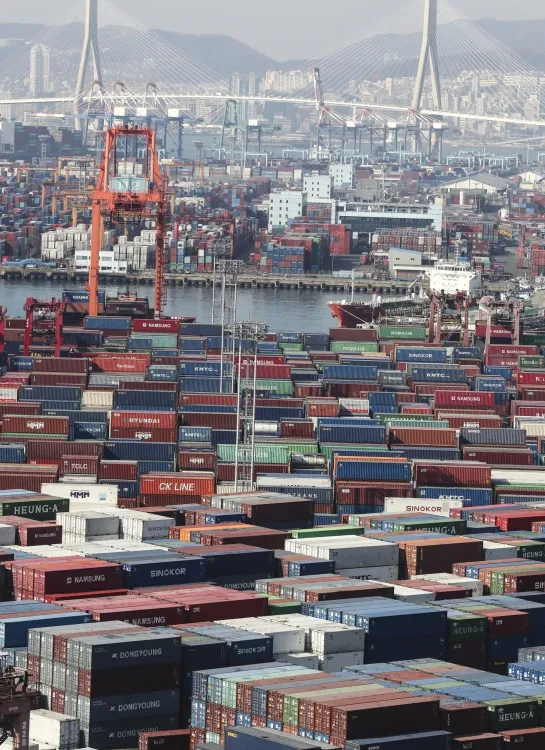
South Korea's exports surged 48 percent year-on-year in April , totalling US$85.89 billion .
Chip exports spiked 173.5 percent on-year to $31.9 billion — the highest-ever figure for any April.
Industrial production rose 3.6 percent in March ; services production expanded 5.1 percent .
Construction production contracted 5.4 percent , remaining a weak spot in the recovery.
Consumer prices rose 2.6 percent year-on-year in April , the fastest pace in 21 months , driven by fuel costs.
The KDI flagged the Middle East conflict and elevated oil prices as the primary downside risks to growth.
South Korea's economy is showing signs of a meaningful recovery, driven by surging semiconductor exports and improving domestic consumption, but downside risks persist due to ongoing Middle East conflict and rising oil prices, the Korea Development Institute (KDI) said on Tuesday, 12 May. The state-run think tank's monthly economic assessment pointed to a mixed but broadly improving picture for Asia's fourth-largest economy.
Exports Leading the Recovery
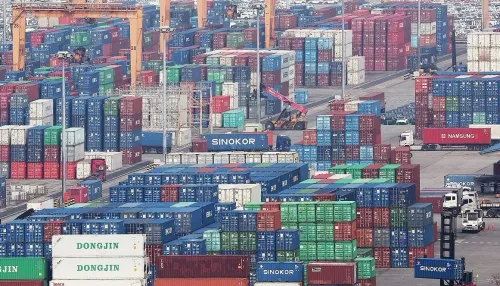
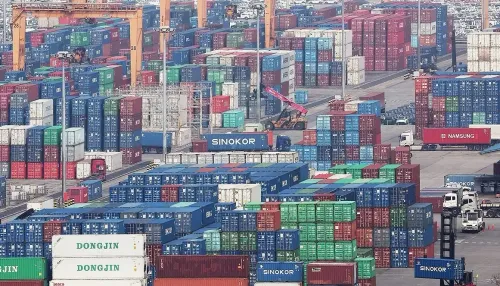
South Korea's exports surged 48 percent year-on-year in April, totalling US$85.89 billion. Semiconductor shipments were the standout performer, spiking 173.5 percent on-year to $31.9 billion — the highest-ever figure recorded for any April. "Exports are growing at a high rate, led by semiconductors, while domestic demand continues to improve," the KDI said in its assessment. The institute noted that strong ICT product demand continued to underpin export momentum, even as the war in the Middle East added uncertainty to the external trade environment.
Domestic Activity Improving, Construction Lags
Industrial production rose 3.6 percent in March, powered by robust semiconductor manufacturing, while services production expanded 5.1 percent. Retail sales grew 5 percent in the same month, continuing a relatively strong pace of growth. However, not all sectors are participating in the upturn. Construction production remained a weak spot, contracting 5.4 percent — a concern that could weigh on broader investment figures in the months ahead. Despite such headwinds, the KDI noted that overall economic activity continued to improve, led by the services sector.
Inflation Pressures from Oil Prices
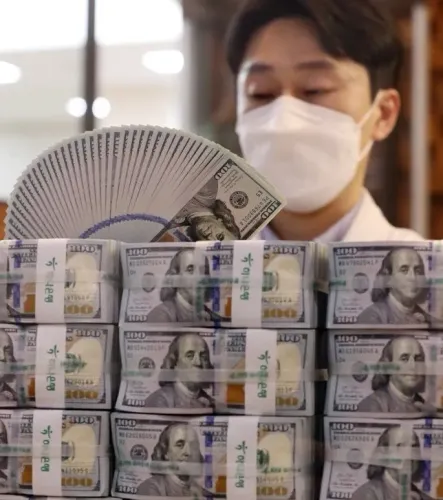
Consumer prices rose 2.6 percent year-on-year in April, the fastest pace in 21 months, driven largely by soaring fuel costs linked to the Middle East conflict. The KDI acknowledged that "elevated oil prices are exerting upward price pressures," though it noted that a government-imposed oil price cap and expanded fuel tax cuts have partially contained the rise. The institute flagged the ongoing conflict between the United States and Iran as a primary source of downside risk to the broader economic outlook.
Outlook and Key Risks
The KDI's assessment reflects a cautiously optimistic view of South Korea's near-term trajectory. Semiconductor-driven export growth provides a strong cyclical tailwind, and improving consumer sentiment is gradually feeding through to retail and services activity. However, the persistence of geopolitical uncertainty in the Middle East, combined with elevated global oil prices, means the recovery remains vulnerable to external shocks. Analysts will be watching whether the construction sector stabilises and whether inflation pressures ease in the coming months as the government's fuel tax relief measures take fuller effect.
Point of View
And inflation is at a 21-month high. The 173.5% chip export spike is real, but it masks a narrow recovery concentrated in a single sector. If the Middle East conflict escalates and oil stays elevated, the government's fuel tax relief will face limits, and consumer spending — still fragile — could reverse quickly. The KDI's cautious tone is warranted: a one-sector export boom is not the same as a resilient, broad-based recovery.
NationPress
25 Sept 2026
Frequently Asked Questions
Why is South Korea's economy recovering in 2024?
The recovery is primarily driven by a sharp surge in semiconductor exports, which jumped 173.5 percent year-on-year in April to a record $31.9 billion. Improving domestic consumption and services activity are also contributing to the upturn, according to the Korea Development Institute.
What downside risks does the KDI flag for South Korea?
The KDI highlights the ongoing Middle East conflict — specifically the war involving the United States and Iran — as the primary downside risk, as it has driven up global oil prices. Consumer prices in South Korea rose 2.6 percent year-on-year in April, the fastest pace in 21 months, largely due to fuel costs.
How much did South Korea's exports grow in April 2024?
South Korea's exports grew 48 percent year-on-year in April, totalling US$85.89 billion. Semiconductor shipments led the surge, rising 173.5 percent to $31.9 billion — the highest April figure on record.
Which sectors are growing and which are lagging in South Korea?
Services production expanded 5.1 percent and retail sales grew 5 percent in March, reflecting improving domestic demand. Industrial production rose 3.6 percent on strong semiconductor output. Construction production, however, contracted 5.4 percent, remaining the key weak spot.
How is South Korea managing rising oil prices and inflation?
The government has implemented an oil price cap and expanded fuel tax cuts to partially offset rising consumer prices. The KDI noted these measures have contained some of the inflationary pressure, though elevated oil prices continue to exert upward price pressures overall.