Modi's fuel-saving, gold-cut appeal backed by UP, Bihar ministers
Synopsis
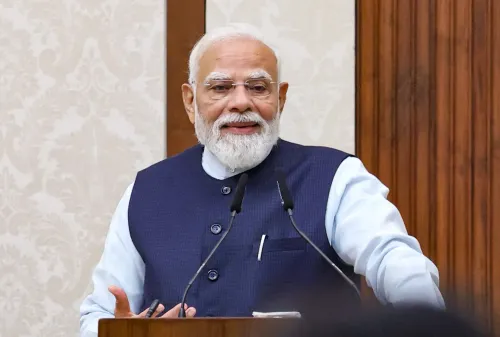
PM Modi's Secunderabad appeal — urging Indians to save fuel, skip gold purchases, and avoid overseas travel amid West Asia-driven global disruptions — has drawn swift political backing from UP and Bihar ministers, who likened the mobilisation to his successful COVID-19-era public campaigns.
Key Takeaways
PM Modi urged citizens on Sunday at Parade Grounds, Secunderabad to conserve fuel, avoid non-essential purchases including gold, and cut overseas travel.
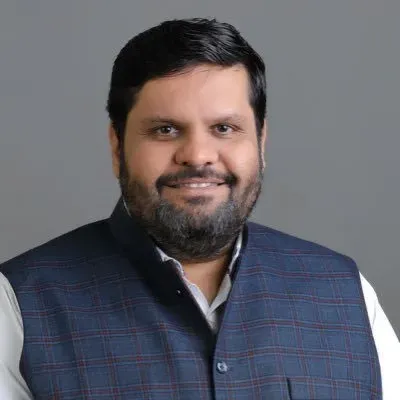
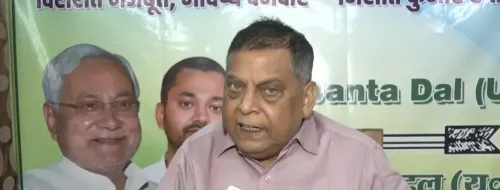
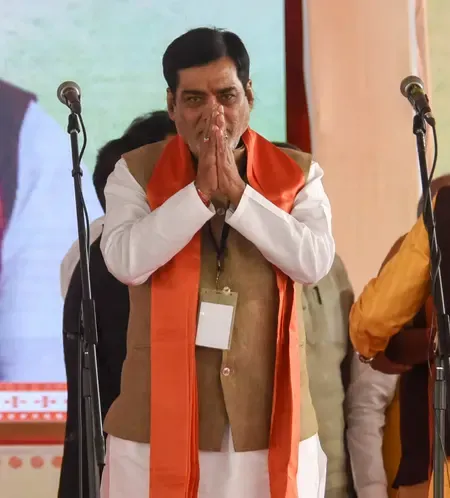
UP Minister Kailash Singh Rajput and Bihar Minister Ram Kripal Yadav praised the appeal as timely and commendable.
Modi cited rising global petrol and diesel prices and the West Asia conflict as the key drivers behind the appeal.
Practical steps urged include using public transport , car-pooling , shifting goods to railways , and adopting electric vehicles .
Ministers drew parallels with Modi's COVID-19 -era appeals, which saw widespread public participation.
Prime Minister Narendra Modi's appeal urging Indians to conserve fuel, reduce non-essential spending — including on gold — and support the national economy amid global disruptions has drawn strong endorsements from ministers in Uttar Pradesh and Bihar, who described the message as timely and deeply relevant.
Ministers Back the Call
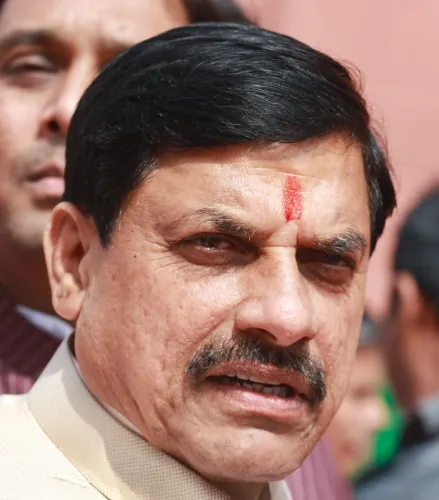
Uttar Pradesh Minister Kailash Singh Rajput said the Prime Minister's appeal resonates strongly in the current global climate. "The Prime Minister of the country, Narendra Modi, is established as one of the world's greatest leaders. The appeal he has made to the people of India is truly very appropriate and meaningful…" he said, backing the call for collective responsibility.
Bihar Minister Ram Kripal Yadav also lauded the initiative, drawing a parallel with the COVID-19 period. "The appeal made by the Prime Minister is highly commendable, considering the current crisis. This is not the first time he has made such an appeal. During the COVID-19 period as well, the Prime Minister appealed to the people, and the citizens accepted and followed it wholeheartedly. The country overcame that difficult phase together…" he said.
What Modi Said at Secunderabad
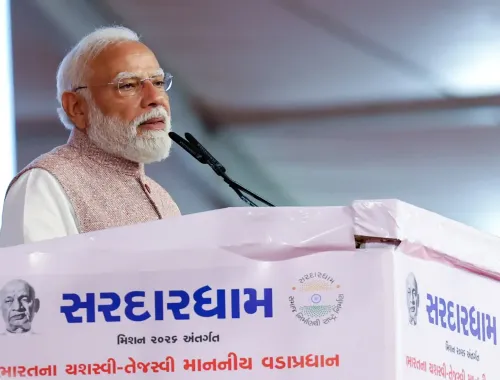
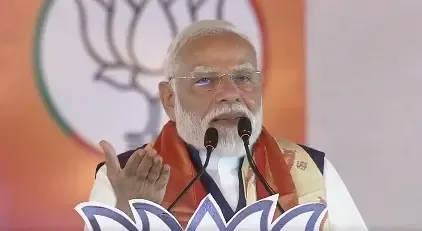
The reactions followed Modi's address at a public meeting organised by the Bharatiya Janata Party (BJP) at Parade Grounds in Secunderabad on Sunday, where he urged citizens to help India navigate economic turbulence triggered by the ongoing conflict in West Asia. He called for conserving fuel, using public transport, adopting work-from-home practices where feasible, avoiding non-essential purchases including gold, and cutting down on overseas travel to save foreign exchange.
"Since petrol and diesel have become extremely expensive across the world, it is our responsibility to save fuel and thereby save the foreign exchange spent on purchasing petrol and diesel," Modi said.
Key Behavioural Steps Urged
The Prime Minister outlined a set of practical steps for citizens: using metro systems and public transport, car-pooling when private travel is unavoidable, shifting goods transport to railways, and increasing the adoption of electric vehicles (EVs) wherever feasible. He also stressed that patriotism is not limited to sacrifice in extreme situations — it extends to responsible daily behaviour during national and global challenges.
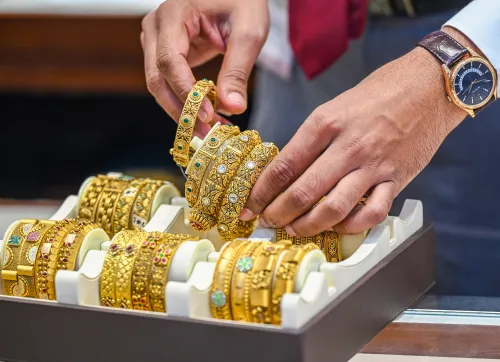
Notably, the appeal to avoid gold purchases is a pointed economic signal. India is among the world's largest gold importers, and a reduction in discretionary gold buying directly eases pressure on the current account deficit and foreign exchange reserves.
Broader Economic Context
The appeal comes amid rising global fuel prices and supply chain disruptions linked to the West Asia conflict, which have placed pressure on India's import bill and foreign exchange position. This is not the first time Modi has mobilised a public behavioural campaign during a national stress point — his COVID-19-era appeals, including the Janata Curfew, saw widespread citizen participation, a precedent both ministers cited in their endorsements.
Whether this latest appeal translates into measurable behavioural change at scale remains to be seen, but the political backing from key state governments signals a coordinated effort to amplify the message beyond the Centre.
Point of View
A formula he has deployed successfully before. The gold-buying caveat is the sharpest economic signal: India's gold import bill is a chronic drag on the current account, and any dent in discretionary demand has real macro value. What's missing is a structural complement — without fuel price relief or expanded EV infrastructure, asking citizens to absorb global price shocks through behavioural change places the burden squarely on households rather than policy. The political endorsements from UP and Bihar are also notable ahead of state electoral cycles, suggesting the appeal doubles as a loyalty-signalling exercise within the BJP ecosystem.
NationPress
25 Sept 2026
Frequently Asked Questions
What did PM Modi urge citizens to do in his latest appeal?
PM Modi urged Indians to conserve fuel, use public transport and car-pools, adopt work-from-home where possible, avoid non-essential purchases including gold, and reduce overseas travel to protect India's foreign exchange reserves amid global disruptions linked to the West Asia conflict.
Why did PM Modi make this appeal now?
The appeal was made in response to rising global fuel prices and supply chain disruptions triggered by the ongoing conflict in West Asia, which are pressuring India's import bill and foreign exchange position. Modi stressed that responsible daily behaviour is a form of patriotism during national and global challenges.
How have state leaders responded to Modi's appeal?
UP Minister Kailash Singh Rajput called the appeal 'truly very appropriate and meaningful', while Bihar Minister Ram Kripal Yadav described it as 'highly commendable'. Both ministers drew comparisons to Modi's COVID-19-era appeals, which saw strong public uptake.
Where did PM Modi make this appeal?
Modi made the appeal at a public meeting organised by the BJP at Parade Grounds in Secunderabad on Sunday, 11 May 2025, during an address focused on India navigating global economic turbulence.
Why is the appeal to avoid gold purchases significant?
India is one of the world's largest gold importers, and discretionary gold buying contributes significantly to the current account deficit. A reduction in gold imports directly eases pressure on foreign exchange reserves, making it a targeted economic measure within the broader appeal.