PM Modi flags West Asia crisis, urges India to cut crude oil dependence
Synopsis
PM Modi has explicitly linked the West Asia conflict to India's crude oil import bill and foreign exchange pressure — and is asking ordinary citizens to change their commuting habits to help absorb the shock. It is a rare public acknowledgement of how directly global instability is feeding into India's economic vulnerabilities.
Key Takeaways
PM Modi addressed a Sardardham programme in Vadodara on 11 May , highlighting global economic instability.
He called COVID-19 the "biggest crisis of this century" and the West Asia conflict a major challenge of the current decade.
Modi warned that India's heavy crude oil import dependence leaves it exposed to energy market disruptions.
Citizens were urged to use public transport , Metro services , EVs , and carpooling to reduce fuel consumption.
He also advocated virtual meetings and work-from-home to cut travel demand and ease pressure on foreign exchange reserves .
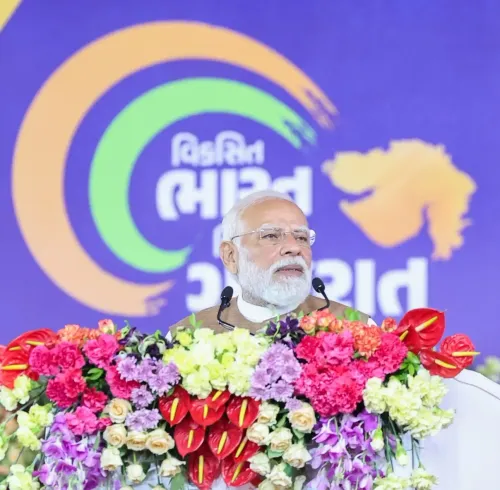
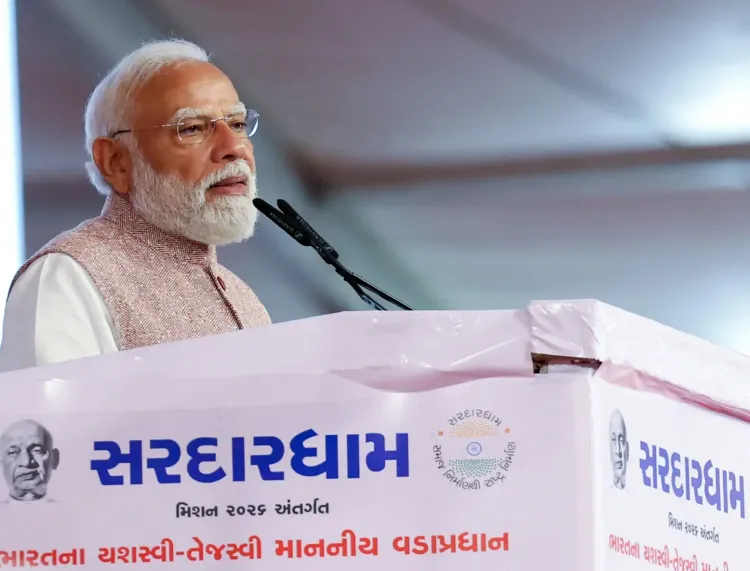
Prime Minister Narendra Modi on Monday, 11 May highlighted escalating global instability and its direct impact on India's economy, warning of mounting pressure on crude oil imports and disrupted supply chains. Speaking at a programme in Vadodara linked to Sardardham initiatives, he called on citizens to adopt collective steps to reduce fuel consumption and ease pressure on the country's foreign exchange reserves.
Multiple Overlapping Global Crises
Modi described the current global environment as one defined by successive shocks. "First the COVID-19 crisis, then global economic challenges, and now increasing tensions in West Asia," he said, noting that these developments were affecting every country, including India. He characterised the COVID-19 pandemic as "the biggest crisis of this century" and identified the ongoing conflict in West Asia as among the major challenges of the current decade. This framing places India's economic difficulties squarely within an international context rather than attributing them to domestic policy.
Crude Oil Dependence and Supply Chain Pressure
The Prime Minister drew particular attention to India's heavy reliance on crude oil imports. "India spends a huge amount of foreign exchange on importing crude oil," he said, warning that instability in oil-producing regions was creating additional pressure on energy markets. He noted that global supply chains had been significantly disrupted and that these disruptions were "influencing prices and availability across sectors." India is among the world's largest crude oil importers, making it structurally vulnerable to any sustained spike in global oil prices or supply bottlenecks originating from conflict zones.
What the Government Is Asking Citizens to Do
Modi urged Indians to make small but meaningful changes in daily consumption patterns. He specifically called for greater use of public transport, Metro services, electric vehicles (EVs), and carpooling. He also highlighted the role of digital technology in reducing the need for physical travel, encouraging virtual meetings and work-from-home practices wherever feasible. "Until the situation becomes normal, we must all take small collective steps," he said, adding that individual actions at a national scale could help India manage external economic pressures more effectively.
A Call for National Unity
Concluding his address, Modi invoked a spirit of collective resolve. "We all have to be united as we have been before in other crises," he noted. The appeal echoes the messaging deployed during the early months of the COVID-19 pandemic, when the Centre repeatedly called for citizen-level behavioural change to support national resilience. With global oil markets remaining volatile and the West Asia situation unresolved, the pressure on India's import bill is unlikely to ease in the near term.
Point of View
Global inflation, and now West Asia — have materially constrained India's economic room. Asking citizens to carpool and use the Metro is not a policy instrument; it is a signal that the government sees limited short-term levers on the supply side. India's structural crude dependence — running above 85% of total oil consumption — has been a known vulnerability for decades, yet domestic production has barely moved. The real question is whether this moment of candour translates into accelerated EV infrastructure investment and energy diversification, or remains a motivational appeal that fades with the news cycle.
NationPress
24 Sept 2026
Frequently Asked Questions
What did PM Modi say about the West Asia crisis and India's economy?
PM Modi said the West Asia conflict is among the major challenges of the current decade and is directly pressuring India's crude oil imports and foreign exchange reserves. He urged citizens to reduce fuel consumption through public transport, EVs, and carpooling to help absorb the economic impact.
Why is India particularly vulnerable to the West Asia conflict?
India is one of the world's largest crude oil importers and depends heavily on oil-producing regions in West Asia. Any sustained conflict or supply disruption in the region drives up import costs and strains India's foreign exchange reserves.
What specific steps did PM Modi urge citizens to take?
Modi called for greater use of public transport, Metro services, electric vehicles, and carpooling. He also encouraged virtual meetings and work-from-home practices to reduce travel demand and ease pressure on India's import bill.
Where and when did PM Modi make these remarks?
PM Modi made these remarks on Monday, 11 May, while addressing a programme in Vadodara, Gujarat, linked to Sardardham initiatives.
How did PM Modi compare the West Asia crisis to COVID-19?
Modi described COVID-19 as the biggest crisis of this century, while characterising the current West Asia conflict as one of the major challenges of the present decade — placing both in a continuum of overlapping global shocks affecting India.