PM Modi in Bengaluru urges unity, resource conservation amid West Asia crisis
Synopsis
Speaking to BJP workers in Bengaluru on 10 May, PM Modi invoked the spirit of the 1857 uprising and the Covid-19 pandemic to call for national unity amid the West Asia crisis — while simultaneously launching a sharp attack on Congress over women's reservation, framing the BJP as the sole champion of the Nari Shakti Vandan Bill.
Key Takeaways
PM Modi addressed BJP workers in Bengaluru on 10 May , urging citizens to remain united and conserve resources amid the West Asia crisis .
He drew a parallel with the Covid-19 pandemic , calling for collective national effort to overcome the present global challenges.
Modi noted that 10 May 1857 marked the beginning of the First War of Indian Independence and referenced the first anniversary of Operation Sindoor .
He announced his attendance at the 75th anniversary of the reconstruction of the Somnath Temple in Gujarat on Monday.
Modi alleged Congress opposed the Nari Shakti Vandan Bill , which provides 33 per cent reservation for women in legislatures.
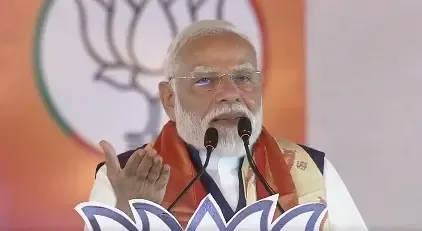
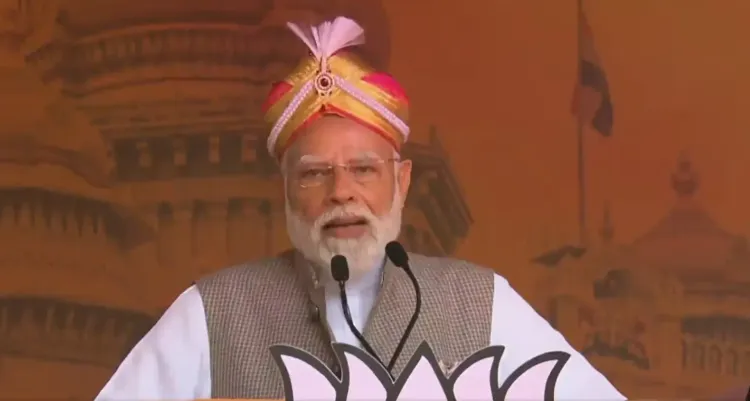
Prime Minister Narendra Modi on Sunday, 10 May called upon citizens to remain united and patient amid global uncertainties, stating that the ongoing crisis in West Asia was impacting the entire world, including India. Addressing a large gathering of Bharatiya Janata Party (BJP) workers and supporters in Bengaluru, he urged people to conserve resources and work collectively in the national interest.
Modi's Appeal on Global Crisis
Referring to the deteriorating global situation, Prime Minister Modi said: "You are witnessing the challenges across the world. The crisis in West Asia is continuing, and the impact of the war is being felt globally. Bharat is also affected by this situation."
Appealing directly to citizens, he drew a parallel with the Covid-19 pandemic, saying: "At a time when the nation is progressing, we need to remain patient. We must collectively save resources and protect the interests of the country. Just as we unitedly faced the challenges during the Covid-19 pandemic with a spirit of patriotism, we once again need to stand together to overcome the present crisis."
Modi stressed the importance of individual responsibility, asserting that the country would overcome all difficulties through unity and collective effort. This comes amid sustained global supply chain disruptions and energy price volatility linked to the ongoing West Asia conflict, which has already affected India's import bill and inflation outlook.
Historical Significance of May 10 and Operation Sindoor
Highlighting the historical significance of the date, the Prime Minister noted that 10 May marked the beginning of the First War of Indian Independence in 1857. "On this day in 1857, the first spark of the freedom struggle was ignited. That spark later became a massive volcano which burnt down the chains of slavery. The legacy of courage and valour remains our greatest strength," he stated.
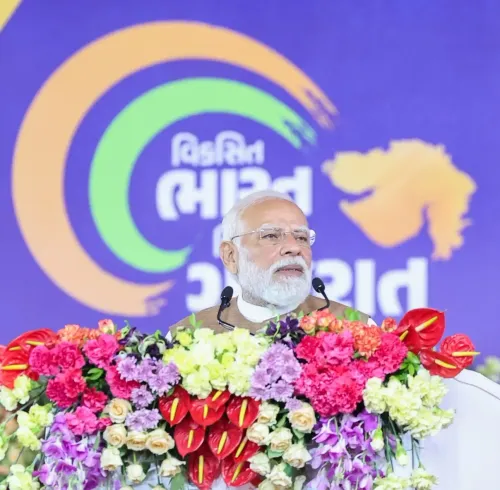
Drawing from that spirit, Modi said the country had recently celebrated the first anniversary of Operation Sindoor. He also announced that he would attend the 75th anniversary celebrations of the reconstruction of the Somnath Temple in Gujarat on Monday morning, adding that "these celebrations will provide new energy for building an Atmanirbhar and Viksit Bharat."
Attack on Congress Over Women's Reservation
Continuing his political offensive, Modi alleged that the Indian National Congress (Congress) had "betrayed" women over the issue of reservation, claiming that its alliance partners had opposed the women's reservation legislation in Parliament.
"The BJP ended this politics and ensured the passage of the law providing 33 per cent reservation for women. But the Congress opposed the Nari Shakti Vandan Bill in Parliament," he alleged. He further claimed that had the bill been implemented earlier, Karnataka would have seen an increase in seats reserved for women, enabling more women from the state to become MLAs and MPs. "The Congress did not allow this. The people will not forgive the Congress for this," he said.
BJP's 'Saffron Wave' and Karnataka's Role in Viksit Bharat
Addressing the enthusiastic gathering, Modi praised BJP workers for their dedication, noting that a "saffron wave" had emerged strongly from Bengaluru. "As an ordinary BJP worker, I know that only BJP workers can attend an early morning programme like this. Looking at the enthusiasm in your eyes, it appears that the victory in Bengal is your own victory," he said.
The Prime Minister asserted that the country was now aligned with the vision of a "Viksit Bharat" and said Karnataka had a major role to play in achieving that goal. He stressed the need to improve both ease of living and ease of doing business in the state. "I assure the people of Karnataka that the BJP and the Central government are doing everything possible. For us, the interests of the nation and its people are supreme," he said.
With Karnataka currently governed by the Congress, Modi's remarks signal an intensifying political contest in the state ahead of future electoral cycles, even as he sought to frame the national conversation around unity and economic resilience.
Point of View
With the Nari Shakti Vandan Bill attack targeting Congress in a state where the BJP is in opposition. The juxtaposition is deliberate: paint the BJP as the party of national interest and women's empowerment simultaneously. Whether voters in Karnataka separate the two narratives will be the real test.
NationPress
25 Sept 2026
Frequently Asked Questions
Why did PM Modi urge citizens to conserve resources?
PM Modi called for resource conservation in the context of the ongoing West Asia crisis, which he said was affecting India along with the rest of the world. He drew a parallel with the Covid-19 pandemic, urging collective national effort to manage the impact of global uncertainties.
What is the Nari Shakti Vandan Bill that Modi referenced?
The Nari Shakti Vandan Bill is a legislation that provides 33 per cent reservation for women in Parliament and state legislatures. Modi alleged that while the BJP ensured its passage, the Congress and its alliance partners opposed it in Parliament.
What is the significance of 10 May that PM Modi highlighted?
PM Modi noted that 10 May marks the beginning of the First War of Indian Independence in 1857, when the first spark of the freedom struggle was ignited. He used the historical occasion to call for unity and resolve in facing present-day challenges.
What did PM Modi say about Operation Sindoor?
PM Modi mentioned that the country had recently celebrated the first anniversary of Operation Sindoor, invoking it as an example of national resolve and strength alongside the historical legacy of 1857.
What event is PM Modi attending in Gujarat?
PM Modi announced he would attend the 75th anniversary celebrations of the reconstruction of the Somnath Temple in Gujarat on Monday, describing it as an occasion that would provide new energy for building an Atmanirbhar and Viksit Bharat.