PM Modi urges fuel conservation, WFH revival, gold purchase pause amid global crisis
Synopsis
At a BJP rally in Secunderabad, PM Modi made a sweeping appeal to Indian citizens — asking them to cut fuel use, revive WFH, skip gold purchases for a year, and stay home for vacations. The ask signals that global supply chain stress and the West Asia conflict are hitting India's foreign exchange position harder than official messaging has let on.
Key Takeaways
PM Modi addressed a BJP public meeting at Parade Grounds, Secunderabad on Sunday , appealing for citizen-level action to protect India's foreign exchange.
Citizens urged to use public transport, carpool, adopt electric vehicles , and revive work-from-home practices.
Modi advised avoiding non-essential gold purchases for one year and cutting overseas travel in favour of domestic tourism.
Farmers asked to reduce chemical fertiliser use by 50% and shift to natural farming and solar-powered irrigation pumps .
Government is subsidising fertiliser bags to under ₹300 against a global price of around ₹3,000 per bag.
Modi cited the West Asia conflict and post- Covid supply chain disruptions as key drivers of India's economic pressure.
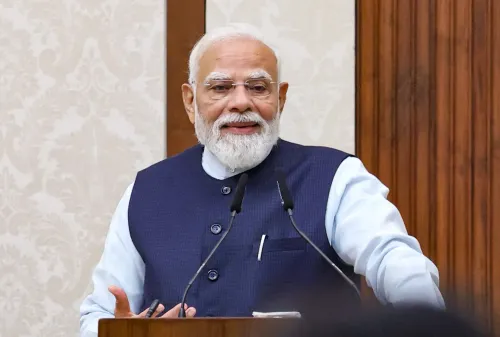
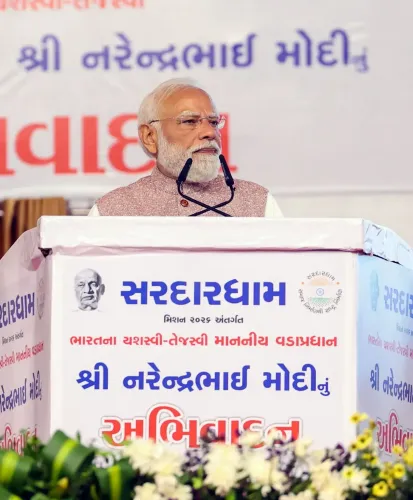
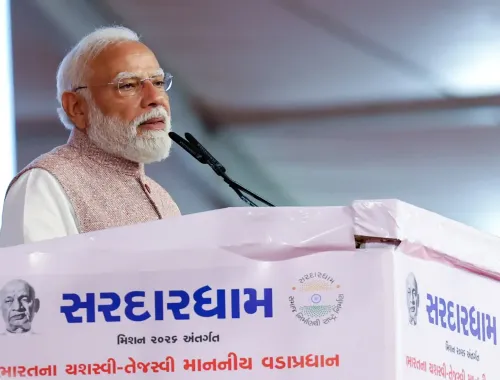
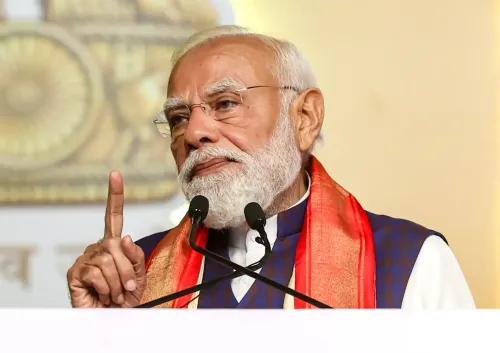
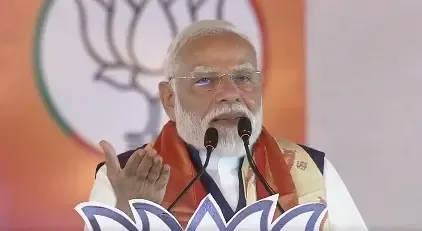
Prime Minister Narendra Modi on Sunday appealed to citizens to conserve fuel, revive work-from-home practices, avoid non-essential gold purchases, and cut overseas travel to protect India's foreign exchange reserves amid the global economic disruption triggered by the ongoing West Asia conflict. Addressing a public meeting organised by the Bharatiya Janata Party (BJP) at Parade Grounds, Secunderabad in Hyderabad, Modi called for collective citizen participation to help India navigate supply chain challenges and rising prices caused by international conflicts.
Key Appeals to Citizens
On the fuel front, Modi urged citizens to use Metro rail and public transport wherever available, opt for car-pooling when private vehicles are unavoidable, and increase adoption of electric vehicles. He also called for a greater shift toward railway transport for goods movement. "Since petrol and diesel have become extremely expensive across the world, it is our responsibility to save fuel and thereby save the foreign exchange spent on purchasing petrol and diesel," he said.
The Prime Minister also called for the revival of Covid-era efficiency measures, including work-from-home arrangements, online conferences, and virtual meetings. "During the Corona period, we adopted work from home, online meetings, video conferences, and developed many such systems. Today, the need of the hour is that we restart those practices, as it would be in the national interest," he said.
Foreign Exchange Conservation Measures
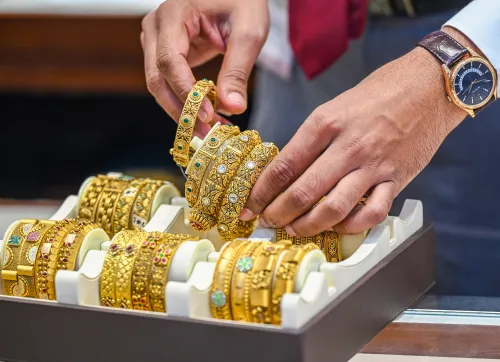
Modi appealed to citizens to avoid unnecessary foreign travel, overseas vacations, and foreign weddings, urging them instead to opt for domestic tourism and celebrations within India. He also advised people to avoid non-essential gold purchases for one year to reduce pressure on foreign exchange outflows — a significant ask given India's position as one of the world's largest gold importers.
Citizens were also encouraged to prioritise Made-in-India and locally manufactured products, including daily-use items such as shoes, bags, and accessories. Modi further urged families to reduce edible oil consumption, noting it would benefit both national economic health and personal wellbeing.
Appeal to Farmers
The Prime Minister urged farmers to reduce chemical fertiliser usage by 50 per cent, transition toward natural farming practices, and protect soil health to reduce import dependence. He also encouraged wider adoption of solar-powered irrigation pumps in place of diesel pumps.
Highlighting the government's subsidy efforts, Modi pointed out that while one bag of fertiliser is being sold globally for around ₹3,000, the same bag is being provided to India's farmers for less than ₹300. "The government has been making continuous efforts to save people from the impact by shouldering the burden," he said.
The Broader Context
Modi acknowledged that the world has been grappling with a major supply chain crisis since the Covid-19 pandemic, compounded further by the Ukraine war. He noted that India faces particular vulnerability given its heavy dependence on energy imports. "We don't have big oil wells. We have to import petrol, diesel and gas. The prices of petrol, diesel, gas and fertilisers have skyrocketed," he said.
The Prime Minister framed the collective effort as a form of patriotism, emphasising that fulfilling one's duties responsibly during difficult times is as important as any other expression of national service. "When the supply chain continues to be in crisis, no matter what measures we take, the difficulties only increase. Therefore, now we must fight unitedly, keeping the country and Mother India first," he added.
With global commodity prices remaining elevated and India's import bill under pressure, the government's focus on citizen-level behavioural change signals a broader strategy to complement policy-level interventions in the months ahead.
Point of View
Given gold's deep cultural resonance. More striking is the WFH revival call; that a Prime Minister is asking corporate India to return to pandemic-era work arrangements to save fuel costs signals the severity of the import bill pressure. The framing of these asks as 'patriotism' is a well-worn Modi rhetorical device, but the specificity of the demands — 50% fertiliser reduction, no foreign weddings, no overseas vacations — suggests the government is preparing citizens for a prolonged period of elevated global commodity prices rather than a near-term resolution.
NationPress
24 Sept 2026
Frequently Asked Questions
Why did PM Modi ask citizens to avoid gold purchases?
PM Modi asked citizens to avoid non-essential gold purchases for one year to reduce pressure on India's foreign exchange outflows. India is one of the world's largest gold importers, and cutting gold imports helps conserve foreign exchange reserves under stress from high global energy and commodity prices.
What did PM Modi say about reviving work from home?
Modi called for the revival of Covid-era work-from-home arrangements, online conferences, and virtual meetings, stating it would serve the national interest by reducing fuel consumption and thereby saving foreign exchange. He noted that India had already built the systems and habits for WFH during the pandemic.
What measures did Modi suggest for farmers?
Modi urged farmers to reduce chemical fertiliser usage by 50 per cent, transition to natural farming practices, protect soil health, and adopt solar-powered irrigation pumps instead of diesel pumps to cut import dependence and input costs.
What is the global context behind Modi's appeal?
Modi cited the ongoing West Asia conflict and post-Covid supply chain disruptions as the primary drivers of surging global prices for petrol, diesel, gas, and fertilisers. He noted India's vulnerability as a major energy importer with no significant domestic oil reserves.
Where did PM Modi make these appeals?
PM Modi made these appeals at a BJP public meeting held at Parade Grounds, Secunderabad, Hyderabad, on Sunday.