MP CM Mohan Yadav backs PM Modi's conservation appeal on fuel, farming, travel
Synopsis
Madhya Pradesh CM Mohan Yadav has formally backed PM Modi's sweeping conservation appeal — covering fuel use, international travel, gold purchases, cooking oil, and a shift to solar farming — directing state departments to prepare action plans. The move signals a top-down push to translate a national advisory into state-level policy action.
Key Takeaways
MP CM Mohan Yadav endorsed PM Modi 's conservation appeal during a Cabinet meeting on 11 May in Bhopal .
Citizens have been urged to defer international travel for one year and use public transport or electric vehicles.
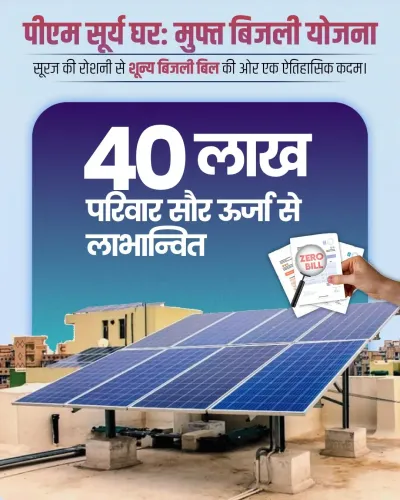
Farmers are encouraged to switch from diesel pumps to solar pumps and reduce chemical fertiliser use.
Greater use of Indian Railways freight services has been called for to ease supply chain pressure.
Citizens have also been asked to avoid gold purchases and reduce cooking oil consumption for one year.
MP's agriculture, transport, and tourism departments have been directed to prepare action plans supporting these measures.
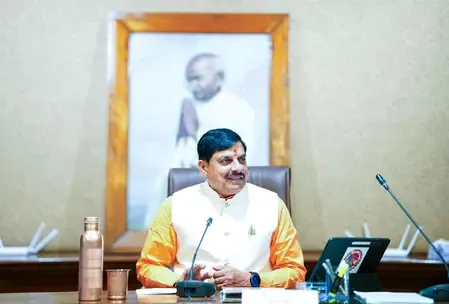
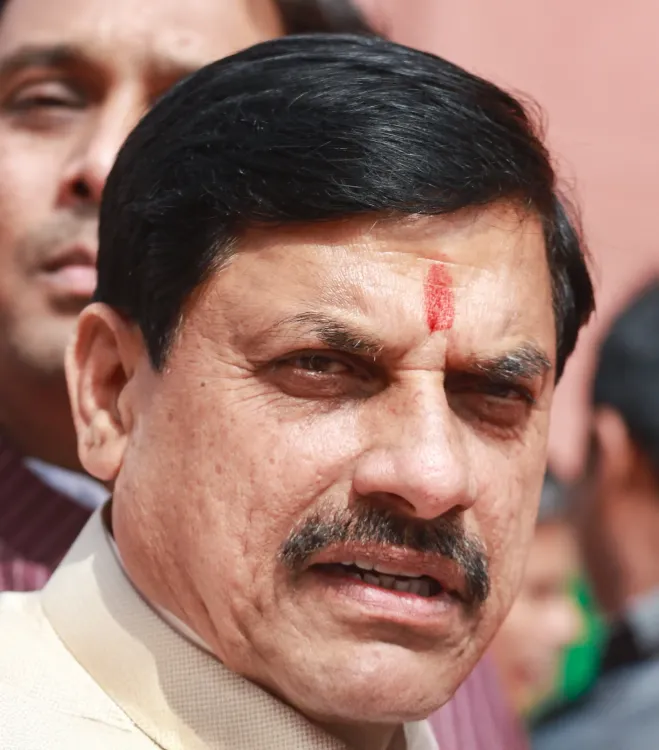
Madhya Pradesh Chief Minister Mohan Yadav on Monday, 11 May endorsed Prime Minister Narendra Modi's appeal to citizens to adopt a range of conservation measures in response to the ongoing global crisis, urging residents of the state to follow the Prime Minister's suggestions in the national interest. The endorsement came during the weekly Cabinet meeting in Bhopal, where Yadav discussed the appeal with the Council of Ministers.
What PM Modi Has Urged Citizens to Do
Prime Minister Modi has called on citizens to make greater use of public transport, promote working from home, and prioritise online and video conferencing systems to reduce fuel consumption. He has also asked people to defer international travel plans for at least one year and explore domestic tourist destinations instead. Additionally, citizens have been urged to avoid purchasing gold for one year and to reduce household consumption of cooking oil.
Appeals Directed at Farmers
For the agricultural community, the Prime Minister's appeal includes a shift from diesel-powered pumps to solar pumps and a move towards natural farming by reducing dependence on chemical fertilisers. The broader aim, according to official statements, is to cut India's import bill on both petroleum products and fertilisers — two of the country's largest import expenditure heads.
Railways and Supply Chain Relief
The Prime Minister has also called for greater use of Indian Railways' freight train services to transport goods, with the intent of easing pressure on supply chains during the global crisis. This push aligns with the Centre's broader effort to shift freight movement away from road transport, which is more fuel-intensive.
Madhya Pradesh Government's Action Plan
Chief Minister Yadav said the state government will coordinate with relevant departments to promote the conservation measures through dedicated awareness campaigns. Departments related to agriculture, transport, and tourism have been asked to prepare action plans. The state will also review government travel and meeting protocols to align with the Prime Minister's appeal. Campaigns will specifically encourage public transport use, virtual meetings, solar pump adoption, and natural farming practices.
This comes amid a broader national push to insulate India from global supply chain disruptions and volatile commodity prices. With fuel and fertiliser imports placing sustained pressure on the current account, the Centre's appeal represents a demand-side response to a structural challenge. How effectively state governments translate these appeals into measurable behavioural change will determine their real-world impact.
Point of View
Gold, cooking oil, international travel, and fertiliser use — and reads less like a policy directive and more like a wartime-style public advisory. The fact that a state government has formally taken it to Cabinet signals that the Centre is using federal architecture to amplify the message. Yet the critical question remains unanswered: are these voluntary appeals backed by any incentive or enforcement mechanism? Without that, awareness campaigns risk becoming performative exercises. India's import dependence on petroleum and fertilisers is structural, and demand-side nudges alone have historically had limited measurable impact without complementary supply-side or pricing reforms.
NationPress
25 Sept 2026
Frequently Asked Questions
What is PM Modi's conservation appeal about?
PM Modi has urged citizens to adopt measures including using public transport, working from home, deferring international travel for one year, avoiding gold purchases, reducing cooking oil consumption, and shifting to solar pumps and natural farming. The aim is to reduce India's import expenditure on petroleum products and fertilisers amid a global crisis.
Why has Madhya Pradesh backed this appeal formally?
MP CM Mohan Yadav discussed the appeal during the weekly Cabinet meeting on 11 May and directed state departments to prepare action plans. The state government intends to run awareness campaigns and review its own travel and meeting protocols to align with the Prime Minister's suggestions.
What are farmers specifically being asked to do?
Farmers have been urged to switch from diesel-powered irrigation pumps to solar pumps and to reduce their use of chemical fertilisers in favour of natural farming practices. This is aimed at cutting India's fertiliser and fuel import bill.
Has PM Modi asked people to stop international travel?
Yes, the Prime Minister has called on citizens to defer international travel plans for at least one year and to explore domestic tourist destinations instead, as part of broader fuel and foreign exchange conservation efforts.
Which MP departments have been asked to act on this appeal?
The departments related to agriculture, transport, and tourism in Madhya Pradesh have been asked to prepare specific action plans. Awareness campaigns will cover public transport use, virtual meetings, solar pump adoption, and natural farming.