JD(U), BJP back Modi's fuel-saving and gold purchase appeal amid West Asia crisis
Synopsis
PM Modi's voluntary austerity call — cut fuel use, skip gold, defer foreign travel — backed by JD(U) and BJP leaders signals the Centre is bracing for economic spillover from the West Asia conflict. With India among the world's top crude and gold importers, the appeal is as much political messaging as economic precaution.
Key Takeaways
PM Modi urged citizens at a Hyderabad rally to reduce fuel consumption, avoid gold purchases, postpone foreign travel, and work from home where possible.
JD(U) leader Neeraj Kumar and Bihar Minister Santosh Kumar Suman endorsed the appeal, citing West Asia conflict-driven pressure on India's foreign exchange reserves.
Senior BJP leader Syed Shahnawaz Hussain attributed global economic difficulties to the ongoing Iran-Israel-United States conflict.
UP Minister Narendra Kumar Kashyap called India's position under Modi's leadership "stable and comfortable" despite global turbulence.
India is among the world's largest importers of crude oil and gold , making it particularly exposed to commodity price shocks.
Janata Dal (United) and Bharatiya Janata Party (BJP) leaders on Tuesday, 12 May rallied behind Prime Minister Narendra Modi's appeal urging Indian citizens to reduce fuel consumption, avoid unnecessary gold purchases, postpone foreign travel, and work from home where possible — measures aimed at conserving foreign exchange reserves amid rising crude oil prices and global economic uncertainty triggered by the ongoing conflict in West Asia.
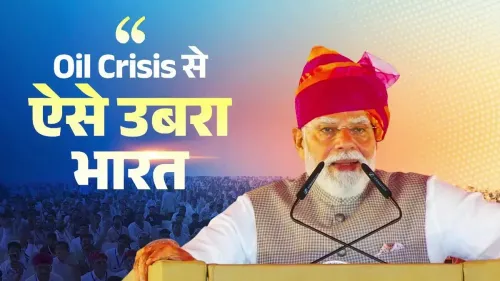
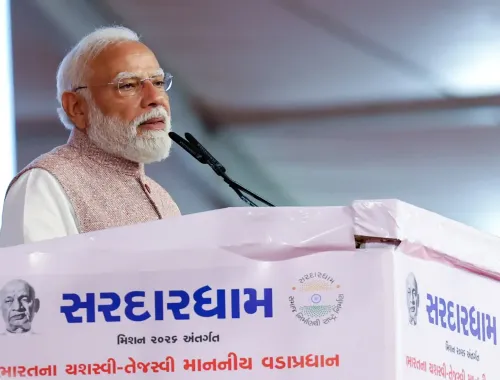
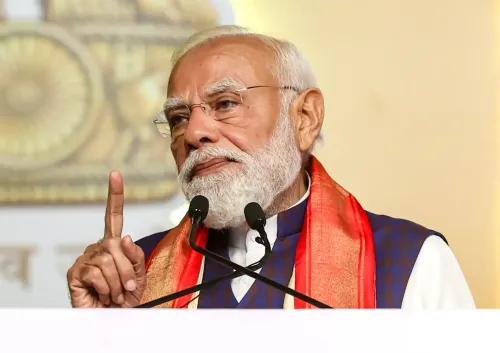
The appeal was originally made by PM Modi during a BJP rally in Hyderabad, where he called for collective austerity to shield India's economy from the spillover effects of the Iran-Israel-United States conflict.
What the Alliance Leaders Said
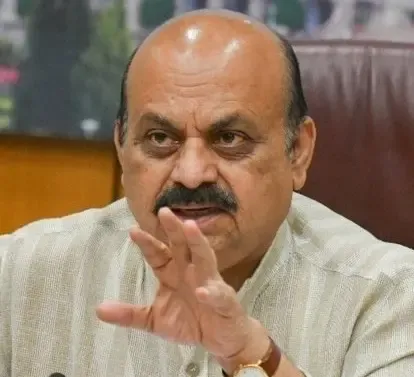
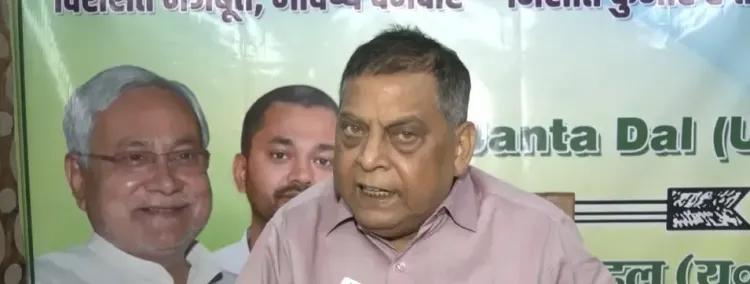
JD(U) leader Neeraj Kumar said the global crisis stemming from conflicts, particularly in West Asia, has created serious challenges for the world economy. "The forces responsible for maintaining global peace have failed in this endeavour. Since this situation is affecting the global economy, India will also inevitably face its impact. In this context, Prime Minister Modi has urged citizens to reduce their consumption of petrol and diesel, as India imports these fuels from other countries," Kumar said.
Bihar Minister Santosh Kumar Suman framed the Prime Minister's message as one of long-term national interest. "Whenever we purchase goods from abroad or spend money internationally, the country's foreign exchange reserves are affected, which can lead to inflation and rising prices. The Prime Minister's message is clear — we should adopt savings in our daily lives. The more we save today, the brighter the future will be for us and the coming generations," Suman said.
BJP's Reading of the Global Crisis
Senior BJP leader Syed Shahnawaz Hussain pointed directly to the Iran-Israel-United States conflict as the source of global economic stress. "Economic conditions across the world are not good. India is an emerging power, and to protect the country from this crisis for as long as possible, the Prime Minister, in his role as a guardian, national leader and head of the government, has appealed to the people," Hussain said.
Uttar Pradesh Minister Narendra Kumar Kashyap invoked India's history of collective resilience, noting that citizens have consistently backed austerity drives during national challenges. "Whenever there was a shortage of food grains in the country, people supported the Prime Minister and showed restraint. Today, continuous conflict in West Asia is affecting the entire world. It is a matter of satisfaction that under Prime Minister Narendra Modi's leadership, India is in a stable and comfortable position," he said.
What Modi Called For at Hyderabad
At the Hyderabad rally, PM Modi outlined a set of voluntary austerity measures: cutting petrol and diesel use, deferring foreign travel, refraining from gold purchases, and adopting work-from-home arrangements wherever feasible. The underlying rationale, as framed by the government, is to reduce India's import bill and protect its foreign exchange reserves at a time when crude oil prices remain elevated due to geopolitical tensions.
Why This Matters for India's Economy
India is among the world's largest importers of both crude oil and gold — two commodities that weigh heavily on its current account. A sustained spike in crude prices, compounded by a weaker rupee, can widen the current account deficit and stoke domestic inflation. This is not the first time a sitting Prime Minister has appealed for public restraint during a global commodity shock; similar calls were made during the 2022 energy crisis that followed the Russia-Ukraine conflict. Notably, such voluntary appeals carry no enforcement mechanism, and their economic impact depends entirely on citizen uptake. The political messaging, however, signals that the Centre is preparing the public for a potentially difficult economic period ahead.
Point of View
The government is quietly acknowledging that the West Asia conflict poses a real risk to India's import bill and rupee stability. What is missing from the political chorus is any discussion of supply-side responses — strategic petroleum reserve drawdowns, hedging policy, or gold import duty adjustments — that would actually move the needle. Rhetoric without policy levers rarely conserves foreign exchange.
NationPress
25 Sept 2026
Frequently Asked Questions
What did PM Modi appeal for at the Hyderabad rally?
PM Modi urged Indian citizens to reduce petrol and diesel consumption, avoid unnecessary gold purchases, postpone foreign travel, and work from home where possible. The appeal was aimed at conserving India's foreign exchange reserves amid rising crude oil prices and global uncertainty linked to the West Asia conflict.
Why is the West Asia conflict affecting India's economy?
India imports a large share of its crude oil from the West Asia region, making it vulnerable to supply disruptions and price spikes caused by the ongoing conflict involving Iran, Israel, and the United States. Higher crude prices widen India's import bill and can put pressure on the rupee and domestic inflation.
Which leaders backed PM Modi's austerity appeal?
JD(U) leader Neeraj Kumar, Bihar Minister Santosh Kumar Suman, senior BJP leader Syed Shahnawaz Hussain, and Uttar Pradesh Minister Narendra Kumar Kashyap all publicly endorsed the Prime Minister's call for austerity.
Does PM Modi's appeal carry any legal enforcement?
No. The appeal is entirely voluntary, with no legal or regulatory mechanism to enforce compliance. Its economic impact depends on voluntary citizen uptake and the broader public messaging campaign by the government and its allies.
Has India made similar austerity appeals before?
Yes. Similar calls for public restraint were made during the 2022 global energy crisis that followed the Russia-Ukraine conflict. India has a history of Prime Ministerial appeals for collective austerity during periods of commodity price stress.