South Korea Boosts Fuel Tax Cuts Amid Middle East Tensions

Synopsis
In response to rising oil prices and the ongoing conflict in the Middle East, South Korea is expanding its fuel tax cuts to support consumers and businesses. Additionally, low-cost airlines are adjusting flight schedules due to soaring fuel costs.
Key Takeaways
South Korea increases fuel tax cuts to **15% for gasoline** and **25% for diesel**.
Tax cuts will remain in effect until the end of **May**.
Low-cost airlines are reducing international flights due to high fuel prices.
Jet fuel prices in Asia have surged **16.6%** recently.
The government aims to support vulnerable households and businesses impacted by rising oil costs.
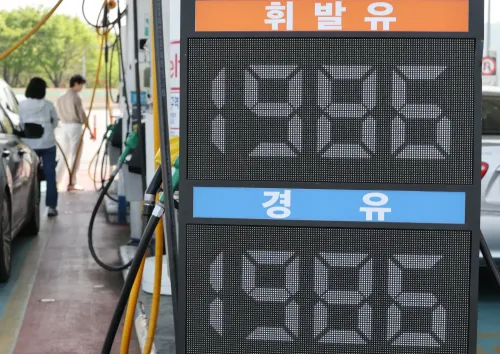
Seoul, March 26 (NationPress) — In a bid to alleviate financial pressures on consumers due to the ongoing turmoil in the Middle East, South Korea is set to significantly enhance its temporary fuel tax reductions, as announced by the finance ministry on Thursday.
The revised measures to bolster citizens' well-being will increase the existing tax cuts from 7% on gasoline and 10% on diesel to 15% and 25%, respectively, as reported by Yonhap news agency.
This initiative, initially scheduled to conclude in April, will now be extended until the end of May, according to the ministry's announcement.
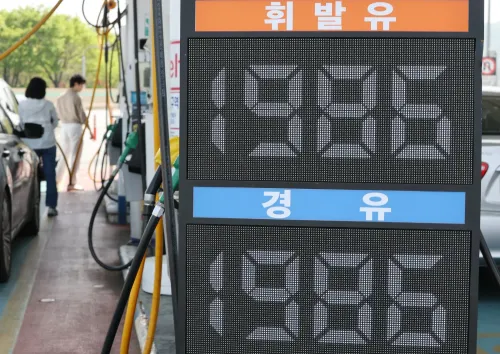
The adjustment means that fuel taxes per liter, inclusive of value-added tax, will decrease by 65 won (US$0.04) to 698 won for gasoline and by 87 won to 436 won for diesel.
The primary objective of this decision is to mitigate the financial impact of escalating oil prices and to provide support to both small and medium enterprises and households that are particularly vulnerable due to the ongoing conflict.
The fuel tax cut was first implemented in November 2021 in response to increasing energy prices, and the government has consistently updated the tax rates to reflect fluctuations in the global energy market.
In related developments, South Korea's low-cost airlines (LCCs) are reducing international flights to address the financial strain caused by rising fuel prices amid the extended tensions in the Middle East, industry insiders reported on Thursday.
Air Premia Co. plans to suspend 10 flights on its Incheon-San Francisco and Incheon-New York routes in May, following an earlier decision to cancel 26 flights on the Incheon-Los Angeles route and 6 on the Incheon-Honolulu route between April 20 and May 31, as stated by the sources.
Eastar Jet Co. also intends to halt 50 flights on the Incheon-Phu Quoc route from May 5 to May 31, citing limited local refueling capacity in Vietnam.
Air Busan Co. and Aero K Airlines Co. have already reduced their flight schedules on select international routes starting in April.
The three largest LCCs in the country — Jeju Air Co., T'way Air Co., and Jin Air Co. — are also contemplating cutting services on specific Southeast Asian routes, according to industry observers.
Jet fuel prices in Asia and Oceania have surged 16.6% to US$204.95 per barrel during the week of March 13-20, compared to the previous week, marking a significant increase from the previous month's average, as reported by the International Air Transport Association.
Point of View
It's clear that South Korea's proactive measures to expand fuel tax cuts are essential for supporting vulnerable populations during this challenging time. The decision reflects a commitment to addressing the economic impacts of international conflicts while also considering the operational adjustments of the nation's airlines.
NationPress
24 Sept 2026
Frequently Asked Questions
What are the new fuel tax cut rates in South Korea?
The new rates will be **15% on gasoline** and **25% on diesel**, up from **7%** and **10%**, respectively.
How long will the fuel tax cuts be in effect?
The fuel tax cuts will be extended until the end of **May**.
Why are South Korean low-cost airlines cutting flights?
They are reducing flights due to the impact of **rising fuel costs** amid ongoing tensions in the Middle East.
What is the current jet fuel price trend in Asia?
Jet fuel prices in Asia and Oceania rose by **16.6%** to **US$204.95 per barrel** during the week of March 13-20.
When were the fuel tax cuts first introduced?
The fuel tax cuts were first implemented in **November 2021** as a response to rising energy prices.