South Korea to Launch Cash Aid for Low-Income Earners Amid Middle East Turmoil
Synopsis
As oil prices surge, South Korea's government is set to roll out cash assistance to the lowest income earners, starting April 27. With over 32 million eligible, the aid aims to ease financial burdens during ongoing Middle Eastern conflicts.
Key Takeaways
Cash assistance to begin for low-income earners.
First payments starting on April 27 .
Approximately 32.5 million individuals eligible for aid.
Payments range from 100,000 won to 600,000 won .
Funds must be spent by August 31 .
Seoul, April 11 (NationPress) The South Korean government announced on Saturday that it will initiate cash aid for the lowest 70 percent of income earners later this month, aiming to alleviate the financial pressure stemming from increasing oil costs. The distribution of aid will commence on April 27 for the most vulnerable households within this income group, with a broader rollout expected by May 18, as reported by Yonhap news agency.
Approximately 32.5 million individuals qualify for this assistance, with payments varying between 100,000 won (about US$67.30) and 600,000 won per person, based on income and regional factors.
On the previous day, the National Assembly approved an extra budget bill totaling 26.2 trillion won to mitigate the economic impact of the ongoing conflict in the Middle East.
The bill was reviewed and authorized by the Cabinet earlier today, with Prime Minister Kim Min-seok emphasizing the government's commitment to executing the budget promptly and effectively. The cash assistance program is allocated 6.1 trillion won as part of this financial initiative.
Recipients will have the option to receive funds via debit cards, preloaded cards, or regional shopping gift cards. It is important to note that these funds must be used by August 31, after which any remaining amounts will revert to the state.
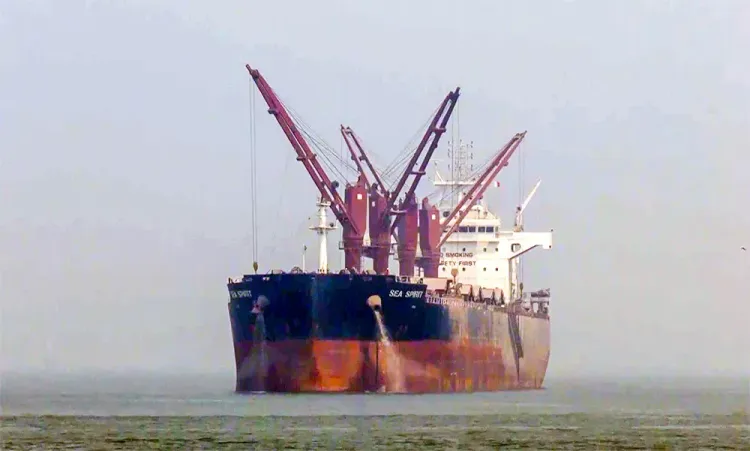
In related news, National Security Adviser Wi Sung-lac indicated that shipping through the Strait of Hormuz remains significantly obstructed, despite a two-week ceasefire between the United States and Iran. He assured that South Korea would continue to explore alternative shipping routes.
During a press briefing at Cheong Wa Dae, Wi highlighted the ongoing efforts to secure alternative sources of crude oil and naphtha amidst concerns regarding Iran's sustained restrictions on traffic through this critical waterway. He stated, "Shipping through the Strait of Hormuz remains disrupted. Uncertainty in supply chains is likely to persist for the foreseeable future." Wi also pointed out that there has not been a notable increase in the number of vessels traversing the strait since the ceasefire was established on Tuesday (U.S. time).
Point of View
It is vital to highlight the government's proactive approach in addressing economic challenges faced by low-income citizens. The cash assistance program underscores the urgency of providing support during times of crisis, especially in light of the current geopolitical landscape.
NationPress
19 Sept 2026
Frequently Asked Questions
Who is eligible for the cash assistance?
The cash assistance is aimed at the bottom 70 percent of income earners in South Korea, with approximately 32.5 million individuals qualifying.
When will the cash aid be distributed?
The distribution of cash aid will begin on April 27 for the most vulnerable households, expanding to the broader eligible group by May 18.
How much aid can recipients expect?
Payments will range from 100,000 won (approximately US$67.30) to 600,000 won per person, depending on income level and regional factors.
What are the spending requirements for the aid?
The funds must be utilized by August 31, and any unused amounts will be returned to the state.
What is the government's response to the Middle East crisis?
The South Korean government is actively seeking alternative shipping routes and securing crude oil supplies amid disruptions in the Strait of Hormuz.