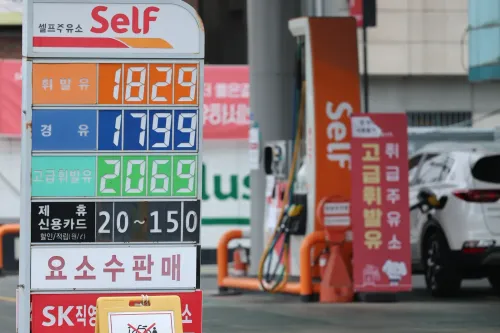
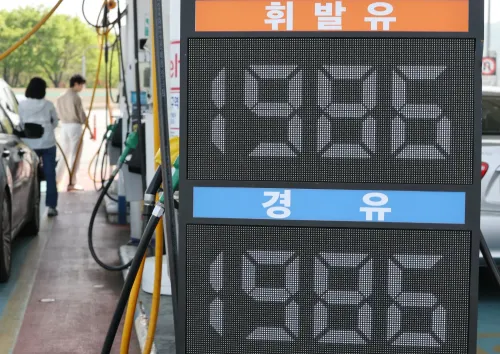
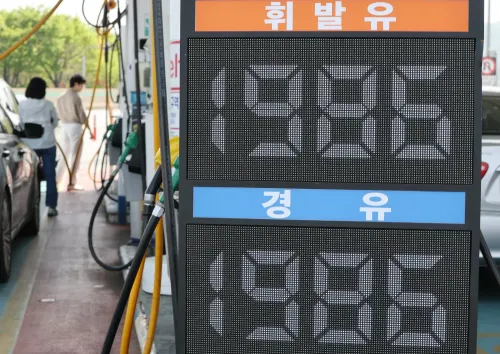
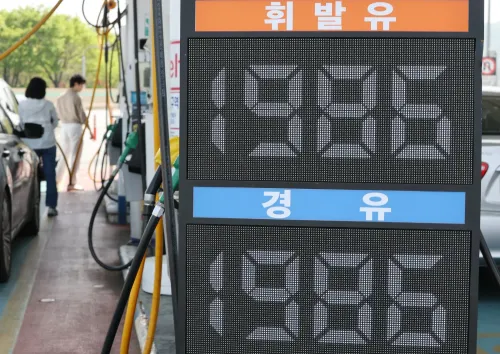
South Korea cuts LNG, LPG tariffs to zero in H2 2026 to fight inflation
Synopsis
South Korea is scrapping tariffs entirely on LNG and LPG — going further than its own earlier plan — after consumer prices hit a 26-month high of 3.1% in May. Finance Minister Koo Yun-cheol has signalled the government will use every available lever, with Cabinet approval and a 1 July start date already locked in.
Key Takeaways
South Korea will apply zero tariff rates on LNG and LPG within quotas in the second half of 2026 , effective 1 July after Cabinet approval.
The move goes beyond the original plan, which had proposed cuts to 2% and 1% — not zero.
South Korea's consumer prices rose 3.1% year-on-year in May 2026 , the fastest pace in 26 months .
Finance Minister Koo Yun-cheol cited unresolved global supply chain disruptions and persistent raw material cost pressures.
Zero-tariff coverage also extends to nine additional agricultural products and two types of animal feed through end-2026.
Tariff concessions on bananas , pineapples , and mangoes remain in place through mid-August .
South Korea will apply zero tariff rates on liquefied natural gas (LNG) and liquefied petroleum gas (LPG) within quota limits during the second half of 2026, as Seoul moves to contain inflation driven by persistent global energy price volatility. The country's Ministry of Finance and Economy announced the measure on Thursday, 18 June, saying it is expected to lower utility and transportation costs for consumers.
What the Policy Changes
The zero-tariff measure expands on an earlier, more modest plan. The government had originally intended to reduce LNG tariffs to 2 percent in the third quarter and 1 percent in the fourth quarter, while cutting levies on LPG and crude oil used for LPG production to 1 percent in the second half. The revised policy goes further, setting all three to zero within the tariff-rate quota framework. The new rates are set to take effect on 1 July following Cabinet approval.
Why Seoul Is Acting Now
South Korea's consumer price index rose 3.1 percent in May from a year earlier — the fastest pace of growth in 26 months, matching the rate recorded in March 2024. The spike is attributed to ongoing global energy price volatility, which has kept raw material costs elevated across the economy.
Finance Minister Koo Yun-cheol, speaking at an inter-ministerial meeting on consumer prices, acknowledged that the situation remains unresolved. 'It is expected to take some time for global energy production and transportation infrastructure, as well as logistics supply chains, to be fully normalised,' he said. 'The aftermath of higher raw material costs still remains, and uncertainties have not yet eased significantly,' he added, signalling the government's intent to deploy all available tools to stabilise prices.
Evidence Behind the Tariff-Rate Quota System
A ministry official cited annual commissioned research as justification for the approach. 'We conduct commissioned research every year on whether the tariff-rate quota system puts downward pressure on consumer prices, and the findings consistently show that it has had such an effect in the energy sector,' the official said. The tariff-rate quota system permits certain import volumes to benefit from reduced levies within a defined ceiling, balancing domestic industry protection with consumer price relief.
Broader Measures: Agriculture and Tropical Fruits
Beyond energy, South Korea also plans to extend the tariff-rate quota framework to nine additional agricultural products, including grape concentrate and juice products, along with two types of animal feed, through the end of 2026. Existing tariff concessions on bananas, pineapples, and mangoes will remain in place through mid-August, timed to account for the domestic harvesting season for fruits such as apples and pears.
What Comes Next
With Cabinet approval expected before 1 July, the immediate focus will be on whether the zero-tariff pass-through reaches end consumers in utility bills and at fuel pumps. Analysts will watch the June and July consumer price data closely for early signals. The government has indicated it will continue monitoring global energy supply chains, which it does not expect to normalise quickly.
Point of View
But for South Korea, which has kept inflation tightly anchored for years, a 26-month high is politically uncomfortable. The deeper question is whether tariff relief on energy actually flows through to household bills or gets absorbed in the supply chain — a transmission problem that has plagued similar interventions elsewhere. Extending the quota system to agricultural products in the same announcement suggests the government is fighting a broad-based cost-of-living squeeze, not just an energy blip.
NationPress
18 Sept 2026
Frequently Asked Questions
Why is South Korea cutting LNG and LPG tariffs to zero?
South Korea is applying zero tariff rates on LNG and LPG to help bring down consumer prices, which rose 3.1% year-on-year in May 2026 — the fastest pace in 26 months. The government says the tariff-rate quota system has a proven track record of lowering energy-sector prices.
When will South Korea's zero LNG and LPG tariffs take effect?
The zero-tariff rates are scheduled to take effect on 1 July 2026, subject to Cabinet approval. They will apply within quota limits for the remainder of the second half of 2026.
How does this differ from South Korea's original tariff-cut plan?
The original plan called for LNG tariffs to be reduced to 2% in Q3 and 1% in Q4, with LPG and crude for LPG production cut to 1%. The revised policy goes further, setting all three to zero within the tariff-rate quota framework.
What is the tariff-rate quota system?
The tariff-rate quota system allows a specified volume of imports to enter at a lower — or in this case, zero — tariff rate, while imports above that threshold face standard duties. It is designed to balance consumer price relief with protection for domestic producers.
Are there other goods covered by South Korea's new tariff measures?
Yes. South Korea is also extending zero or reduced tariffs to nine additional agricultural products, including grape concentrate and juice products, and two types of animal feed through end-2026. Existing concessions on bananas, pineapples, and mangoes remain in place through mid-August.