S. Korea cuts crude oil security alert to Level 2 as US-Iran talks ease tensions
Synopsis
South Korea is stepping back from its highest-tier crude oil emergency footing, cutting the alert from Level 3 to Level 2 and fully lifting the natural gas warning — a direct consequence of US-Iran diplomatic progress and Seoul's success in rerouting imports away from the Strait of Hormuz. The vehicle rotation system is being scrapped entirely, marking the most significant easing of South Korea's energy crisis posture since March.
Key Takeaways
South Korea will lower its crude oil security alert from Level 3 to Level 2 , announced on 30 June .
The natural gas alert, held at Level 2 since April, will be fully lifted .
Vice Industry Minister Moon Shin-hak cited stabilised global oil prices and progress in US-Iran peace talks as key reasons.
South Korea has diversified crude imports via routes bypassing the Strait of Hormuz , including sourcing from the United States .
The vehicle rotation system will be fully scrapped, dropping the planned odd-even five-day rule.
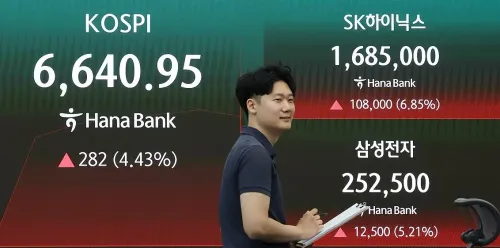
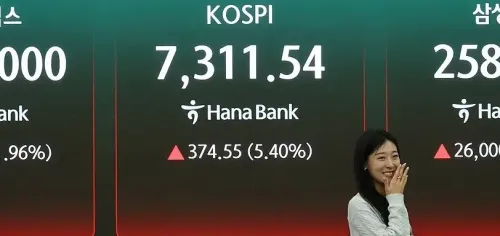
The KOSPI gained 8.97 points to 8,403.62 on Tuesday morning amid improved investor sentiment.
South Korea is set to lower its national resource security crisis warning for crude oil from Level 3 to Level 2, Vice Industry Minister Moon Shin-hak announced on Tuesday, 30 June, citing the stabilisation of global oil prices following progress in US-Iran peace negotiations. The government will also fully lift the natural gas alert, which had been held at Level 2 since April.
How South Korea's Alert System Works
South Korea operates a four-tier national resource security crisis warning system, calibrated to the severity of supply disruptions and their broader impact on the national economy. The lowest alert for crude oil was first issued in early March, escalated to Level 2 later that month, and raised further to Level 3 in April as tensions in the Strait of Hormuz threatened supply routes. The natural gas alert has been at Level 2 since April.
Key Developments Behind the Downgrade
Minister Moon told a Cabinet meeting held at the presidential office that more crude oil is now being imported via routes that bypass the Strait of Hormuz, with South Korea also diversifying sourcing beyond the Middle East — including imports from the United States. This supply-route diversification was a central factor in the government's decision to ease the alert.
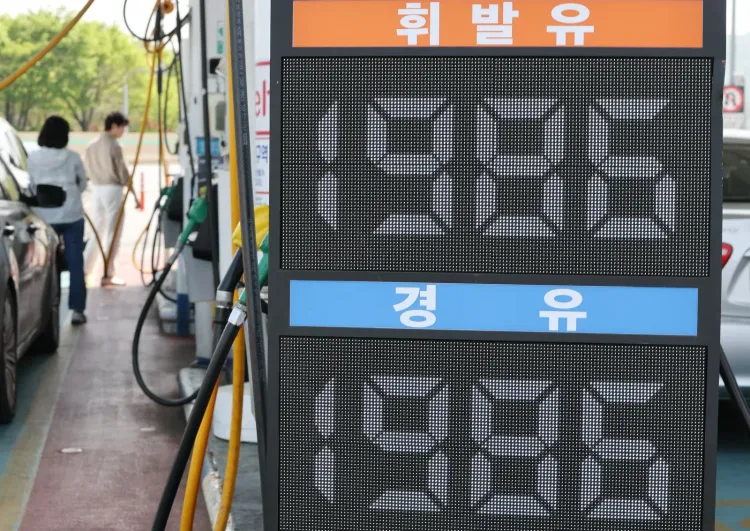
Consequently, the government will fully lift the vehicle rotation system, scrapping its original plan to ease the odd-even rule to a five-day rotation. The move signals confidence that domestic fuel supply pressures have materially eased.
Market Response
South Korean equities traded modestly higher on Tuesday morning, tracking overnight gains on Wall Street. The benchmark Korea Composite Stock Price Index (KOSPI) gained 8.97 points, or 0.11%, to 8,403.62 as of 11:20 am, after opening 0.68% higher. Investor sentiment improved after the United States and Iran were reported to be set to resume talks in Qatar aimed at easing tensions in the Strait of Hormuz, alleviating concerns over prolonged disruption to global oil supplies.
Overnight, Wall Street rebounded sharply as investors returned to technology stocks. The Dow Jones Industrial Average gained 0.59% to close at a record high, while the Nasdaq Composite jumped 2.07% and the S&P 500 advanced 1.18%. Crude prices rose modestly as markets monitored implementation of the US-Iran peace framework.
What This Means Going Forward
The easing of South Korea's energy alerts reflects a broader shift in global oil market sentiment, driven by diplomatic momentum between Washington and Tehran. This comes amid a wider pattern of Middle East tension-driven energy volatility that has repeatedly tested Seoul's supply resilience since early 2025. With supply routes diversified and diplomatic progress underway, South Korea appears positioned to exit its highest-tier energy emergency footing — though analysts note that the Strait of Hormuz situation remains fluid and any reversal in US-Iran talks could quickly change the calculus.
Point of View
From Level 3 to Level 2 in a single step with full gas-alert removal, suggests the government is confident the diplomatic track holds. But that confidence is contingent on talks in Qatar producing durable results. South Korea's supply-route diversification toward the US is also worth watching: it quietly deepens Seoul's energy dependency on Washington at a moment when geopolitical alignment in the region is being actively renegotiated.
NationPress
29 Sept 2026
Frequently Asked Questions
Why is South Korea lowering its crude oil security alert?
South Korea is downgrading its crude oil alert from Level 3 to Level 2 because global oil prices have stabilised following progress in US-Iran peace negotiations and the country has successfully diversified its import routes away from the Strait of Hormuz. Vice Industry Minister Moon Shin-hak announced the decision on 30 June at a Cabinet meeting.
What is South Korea's national resource security crisis warning system?
South Korea operates a four-tier national resource security crisis warning system that grades supply disruption risk based on severity and economic impact. Level 1 is the lowest alert; Level 4 would represent the most severe crisis. The crude oil alert was first raised to Level 3 in April 2025.
Will South Korea's natural gas alert also be lifted?
Yes. The government announced it will fully lift the Level 2 natural gas alert, which had been in place since April. This goes further than the crude oil adjustment, which moves down one notch rather than being removed entirely.
What happens to the vehicle rotation system?
The vehicle rotation system, including the odd-even rule, will be fully scrapped. The government had originally planned to ease it to a five-day rotation, but has now decided to lift it entirely given the improved supply situation.
How did South Korean markets react to the US-Iran talks?
The KOSPI gained 8.97 points, or 0.11%, to 8,403.62 as of 11:20 am on Tuesday, tracking Wall Street gains. Sentiment improved after the US and Iran were reported to be resuming talks in Qatar, easing concerns over Strait of Hormuz supply disruptions.