South Korea delays oil reserve release, eyes August supply crisis risk
Synopsis
South Korea is sitting on a 22.46-million-barrel IEA commitment but holding its fire — treating the reserve release as a last-resort card while global inventories deplete at a 'very fast' pace. With the IEA warning of an oil 'red zone' by July–August and the Strait of Hormuz still a live risk, Seoul's cautious wait-and-watch stance could become a high-stakes gamble if the crisis arrives ahead of schedule.
Key Takeaways
South Korea pledged to release 22.46 million barrels of strategic oil reserves by 9 June under a 32-nation IEA joint plan.
Deputy Minister Yang Ghi-wuk said Seoul is treating the release as a 'final' card, cautiously timing deployment amid easing but fragile Middle East conditions.
IEA Executive Director Fatih Birol warned last week that global oil inventories are depleting 'very fast' and markets could enter a 'red zone' in July or August .
South Korea has secured roughly 85 per cent of pre-war oil supply volumes for use through July , aided by supply diversification.
Non-Middle East oil supply share rose to 51.5 per cent for May–July, up from 30.9 per cent a year earlier, with Americas, Asia, and Africa all increasing.
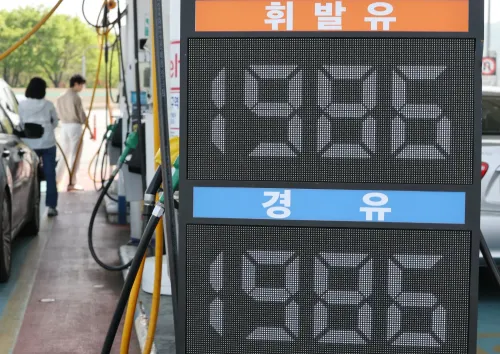
South Korea is proceeding cautiously on the timing of its strategic oil stockpile release under the International Energy Agency (IEA) framework, with officials citing the possibility of a global oil supply crisis as early as August 2025. The decision reflects Seoul's intent to preserve its reserve release as a last-resort option rather than deploy it prematurely.
Background: The IEA Commitment
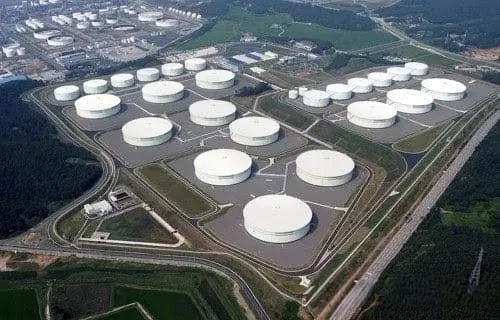
Earlier this year, Seoul pledged to release 22.46 million barrels of oil from its strategic reserves by 9 June as part of a coordinated plan adopted by 32 IEA member nations. The joint release was designed to stabilise global oil markets disrupted by the US-Israeli war against Iran that began in late February.
What Seoul's Deputy Minister Said
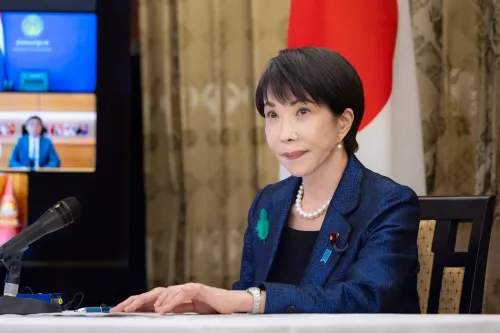
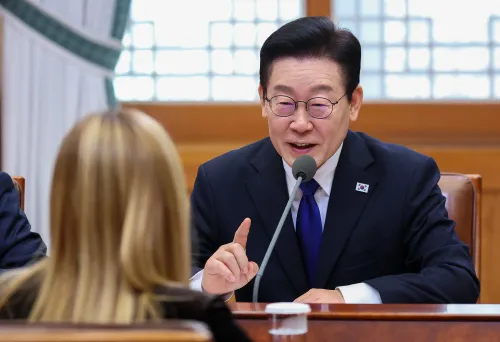
Yang Ghi-wuk, Deputy Minister for Trade, Industry and Resources Security, told reporters at a regular press briefing on Tuesday that the government is carefully calibrating the timing of any release. He described the reserve option as a 'final' card, to be used only in the worst-case scenario.
'Concerns over (a possible oil crisis) have somewhat eased recently with news that the situation in the Middle East may get better, but until just a few days ago, there have been projections that oil supplies may suffer disruptions if the effective closure of the Strait of Hormuz continues for longer,' Yang said.
He added that South Korea does not feel an acute need for a release at present, crediting the country's efforts to secure alternative supplies and a crude swap arrangement with private firms. He also clarified that while Seoul intends to adhere to the IEA plan 'as much as possible,' the agreement carries no mandatory penalty for timing deviations: 'The timing and the way of the release can differ by country,' he said.
IEA's Red-Zone Warning
IEA Executive Director Fatih Birol warned last week that commercial oil inventories globally are depleting at a 'very fast' pace, cautioning that oil markets could enter a 'red zone' in July or August. The warning has added urgency to member-nation deliberations over when and how aggressively to deploy reserves.
South Korea's Supply Diversification
The South Korean industry ministry has reported that the country's crude oil supplies are relatively stable for now, with approximately 85 per cent of pre-Iran war supply volumes secured for use through July. Notably, Seoul has sharply reduced its dependence on Middle Eastern crude during the May–July period.
The combined share of oil supplies sourced from regions outside the Middle East reached 51.5 per cent for that period, up sharply from 30.9 per cent recorded during the same window last year. Shipments from North and South America rose to 35.6 per cent from 23.1 per cent, while supplies from Asia climbed to 7.4 per cent from 5 per cent. Shipments from Africa expanded significantly to 8.3 per cent from just 2.2 per cent.
What Comes Next
The trajectory of the Strait of Hormuz situation and any further IEA guidance will likely determine whether Seoul activates its reserve release before the 9 June deadline or seeks a revised timeline. With global inventories under pressure and the August risk window approaching, the coming weeks are critical for both South Korean energy policy and broader IEA coordination.
Point of View
Holding reserves back could leave South Korea — and the broader IEA coalition — flat-footed in August. The sharp pivot in supply sourcing, with non-Middle East share jumping from 31 to 51.5 per cent in a year, is the more durable structural story here: South Korea is quietly rewiring its energy supply chains in real time. What mainstream coverage underplays is that the IEA's 32-nation release plan depends on coordinated timing — if anchor economies like South Korea delay, the collective market-stabilisation effect is diluted precisely when it is most needed.
NationPress
27 Sept 2026
Frequently Asked Questions
Why is South Korea delaying its IEA oil reserve release?
South Korea is treating its strategic reserve release as a last-resort option, preferring to wait for a clearer picture of the global supply situation before deploying the committed barrels. Deputy Minister Yang Ghi-wuk said the government currently sees sufficient alternative supplies and does not feel an immediate need for the release.
How much oil did South Korea commit to releasing under the IEA plan?
South Korea pledged to release 22.46 million barrels from its strategic reserves by 9 June 2025, as part of a coordinated plan adopted by 32 IEA member nations to stabilise markets disrupted by the US-Israeli war against Iran.
What is the IEA's 'red zone' warning about?
IEA Executive Director Fatih Birol warned last week that commercial oil inventories globally are depleting at a 'very fast' pace and that oil markets could enter a 'red zone' — indicating a critical supply shortfall — in July or August 2025.
How has South Korea diversified its oil supply sources?
For the May–July 2025 period, South Korea sourced 51.5 per cent of its oil from outside the Middle East, up sharply from 30.9 per cent in the same period last year. Supplies from the Americas rose to 35.6 per cent, Africa to 8.3 per cent, and Asia to 7.4 per cent.
Is South Korea obligated to follow the IEA release timeline exactly?
No. Deputy Minister Yang clarified that while Seoul intends to adhere to the IEA plan as closely as possible, there is no penalty for timing deviations, and the method and schedule of release can differ by member country.