Iran-US ceasefire eases South Korea energy risk, but oil price relief may lag
Synopsis
The Iran-US ceasefire has handed South Korea a lifeline — the country imports 70 percent of its crude through the Strait of Hormuz. But with 24 Korean vessels still stranded in the Persian Gulf, domestic fuel prices stuck above 2,000 won per litre, and refiners wary of the ceasefire's durability, the relief is real but far from instant.
Key Takeaways
The US and Iran have reached a ceasefire deal; the Strait of Hormuz is set to reopen upon formal signing later this week.
Brent crude fell to around US$87 per barrel and WTI to around US$84 , down from near US$100 at the conflict's peak.
South Korea imports roughly 70 percent of its crude from the Middle East , making it acutely sensitive to Hormuz disruptions.
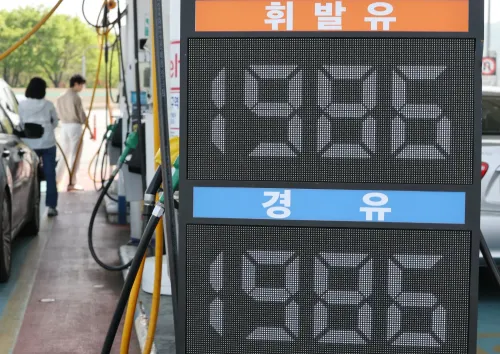
Domestic gasoline averaged 2,009.9 won per litre in the second week of June ; price relief typically lags two to three weeks behind international moves.
24 South Korean vessels remain stranded in the Persian Gulf as of last week.
South Korean refiners are taking a wait-and-see stance on resuming Middle Eastern crude imports, wary of ceasefire durability.
A ceasefire agreement between the United States and Iran, along with plans to reopen the Strait of Hormuz, has significantly reduced one of the most pressing external threats to South Korea's economy, experts said on Monday, 15 June. However, analysts caution that a meaningful decline in domestic energy prices is unlikely to materialise immediately, given the structural lags built into the supply chain.
The Deal and Its Immediate Market Impact
US President Donald Trump announced that Washington and Tehran have reached a peace agreement aimed at ending their months-long conflict. He confirmed that the strategically vital Strait of Hormuz will reopen once the deal is formally signed later this week.
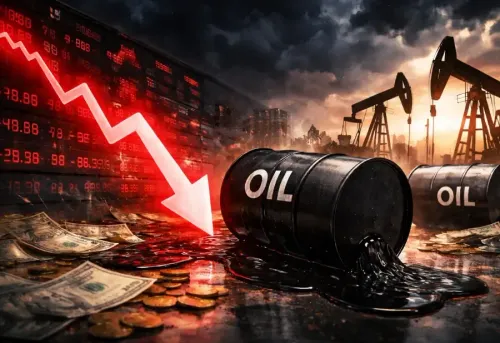
International oil markets responded swiftly. Brent crude retreated to around US$87 per barrel, while West Texas Intermediate (WTI) dropped to approximately US$84 per barrel — down sharply from levels that had approached US$100 during the peak of the conflict.
Why South Korea Is Especially Exposed
South Korea imports virtually all of its crude oil, with roughly 70 percent originating from the Middle East, much of it transported through the Strait of Hormuz. Earlier this year, Seoul scrambled to secure alternative crude supplies and reroute shipping in response to the conflict-driven disruption.
Experts say the strait's reopening is expected to ease supply-shortage risks, reduce shipping delays, and lower war-risk insurance premiums and freight rates — all of which would put further downward pressure on crude prices. South Korea's refining and petrochemical sectors stand to benefit most directly, as refiners rely heavily on Middle Eastern crude and petrochemical producers depend on naphtha imported largely from the Gulf region.
When Will Consumers Feel the Difference
Despite the positive signals, industry officials and experts warn that the relief will not be immediate. Changes in international oil prices typically take two to three weeks to flow through to domestic fuel stations, owing to shipping lead times, refining cycles, and inventory turnover.
Domestic fuel prices in South Korea have remained stubbornly elevated. According to data from the Korea National Oil Corporation's Opinet system, the average nationwide gasoline price in the second week of June fell just 0.5 won from the prior week to 2,009.9 won per litre, while diesel slipped 0.3 won to 2,004.8 won per litre — both still above the 2,000-won mark.
Stranded Ships and Damaged Infrastructure
The path to full supply normalisation faces further hurdles. Ships carrying crude oil have reportedly been stranded in the Persian Gulf for more than three months, and damaged production facilities may require additional time before resuming normal output.
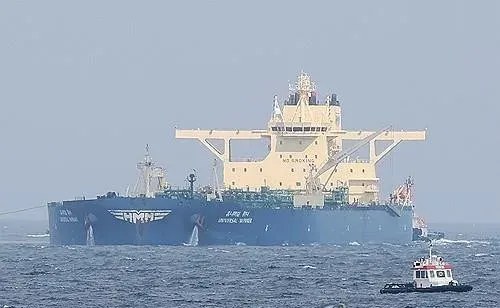
Last week, HMM's oil tanker Universal Winner and a liquefied natural gas (LNG) carrier arrived in South Korea after exiting the Strait of Hormuz, reducing the number of Korean vessels still stranded in the region to 24.
Currency Headwinds and Industry Caution
A strong Korean won-dollar exchange rate presents an additional complication. The won has remained near the 1,500-per-dollar level in recent months, elevating import costs and potentially offsetting a portion of the gains from lower crude prices.
Industry officials also remain cautious about the durability of the ceasefire. South Korean refiners are reportedly taking a wait-and-see approach to resuming large-scale Middle Eastern crude imports, preferring to monitor the security of shipping routes and the full implementation of the agreement before reversing the supply diversification strategies they adopted during the conflict. All eyes now turn to the formal signing of the deal later this week.
Point of View
And for good reason. Ceasefires in this region have a history of fragility, and the cost of re-diversifying supply chains a second time would be steep. The won's proximity to 1,500 per dollar is a quiet but significant drag that most headlines are underplaying — it means cheaper crude abroad does not translate one-for-one into cheaper imports at home. South Korean consumers should expect a lag of several weeks before pump prices reflect any durable global oil decline, and that is contingent on the deal holding.
NationPress
27 Sept 2026
Frequently Asked Questions
What is the Iran-US ceasefire deal and how does it affect South Korea?
The United States and Iran have agreed to a peace deal ending their months-long conflict, with the Strait of Hormuz set to reopen upon formal signing. For South Korea, which sources roughly 70 percent of its crude oil from the Middle East via that strait, the agreement removes a major supply-disruption risk and is expected to ease shipping costs and insurance premiums over time.
How much have oil prices fallen following the ceasefire announcement?
Brent crude retreated to around US$87 per barrel and WTI to approximately US$84 per barrel after the announcement, down from levels that had approached US$100 during the height of the conflict.
When will South Korean fuel prices fall at the pump?
Experts say changes in international oil prices typically take two to three weeks to reach domestic fuel stations in South Korea due to shipping times, refining cycles, and inventory turnover. As of the second week of June, gasoline averaged 2,009.9 won per litre and diesel 2,004.8 won per litre — both still above 2,000 won.
Why are South Korean refiners not immediately increasing Middle Eastern crude imports?
Refiners are adopting a wait-and-see approach, citing uncertainty over the ceasefire's durability and the security of shipping routes through the Strait of Hormuz. Having spent months diversifying supply sources, they are reluctant to reverse course until the agreement is fully implemented and routes are confirmed safe.
How many South Korean ships remain stranded in the Persian Gulf?
As of last week, 24 South Korean vessels remained stranded in the Persian Gulf region. HMM's oil tanker Universal Winner and an LNG carrier had already returned to South Korea after exiting the Strait of Hormuz, reducing the stranded count.