Strait of Hormuz: 11 South Korean vessels exit after US-Iran ceasefire
Synopsis
Eleven South Korean ships have cleared the Strait of Hormuz since the US-Iran ceasefire, but 13 remain inside and 87 sailors are still in the Persian Gulf. With Tehran's fee waiver lasting only 60 days and reports of an Iran-Oman traffic mechanism emerging, Secretary of State Rubio has drawn a hard line — signalling the strait's status is far from settled.
Key Takeaways
11 South Korean-operated vessels have now exited the Strait of Hormuz following the US-Iran ceasefire , with five departing on 25 June .
13 South Korean-linked ships remain inside the strait; 87 South Korean sailors are still in the Persian Gulf .
The ceasefire pact allows vessel transit through the strait with no fees for 60 days only , raising concerns about what follows.
US Secretary of State Marco Rubio categorically rejected any Iranian toll mechanism on the strait, calling it an 'international waterway.' Reports indicate Iran is exploring a traffic-regulation mechanism with Oman , a move the US has firmly opposed.
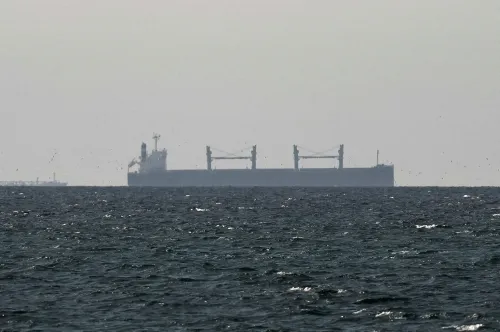
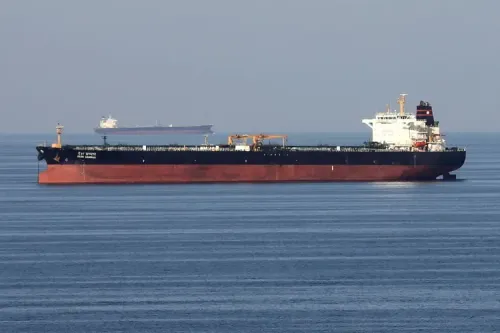
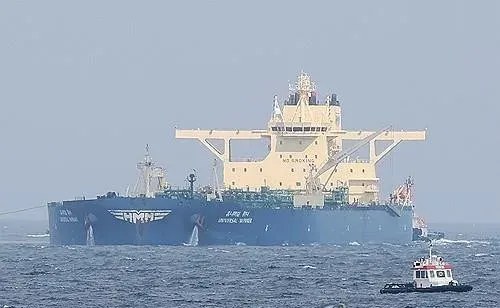
Eleven South Korean-operated vessels have now cleared the Strait of Hormuz following last week's ceasefire agreement between Washington and Tehran, with five more ships completing safe passage on Thursday, 25 June, South Korea's Ministry of Oceans and Fisheries confirmed. The departures mark a cautious return to normalcy in one of the world's most critical energy shipping corridors.
Latest Departures and Crew Status
The five vessels that cleared the strait on Thursday carried 21 South Korean sailors aboard, with at least one ship bound directly for South Korea, according to the ministry. Officials confirmed all ships are sailing normally after passing through the strategic waterway.
Despite the latest exits, 13 South Korean-linked vessels remain inside the strait, according to reports. A total of 87 South Korean sailors are still in the Persian Gulf — 54 aboard South Korean-operated vessels and 33 serving on foreign-flagged ships.
What the Ceasefire Agreement Stipulates
Under the interim peace pact reached between Washington and Tehran, Iran has agreed to allow vessels to transit the Strait of Hormuz without any fees for 60 days following the signing of the agreement. However, the narrow window of the clause — explicitly limiting the fee waiver to '60 days only' — has kept concerns alive about what Tehran may seek to assert once that period lapses.
Reports have also emerged that Iran is exploring a mechanism with Oman to regulate traffic in the waterway, a development that has drawn sharp pushback from the United States.
Rubio Draws a Hard Line on Tolls
US Secretary of State Marco Rubio, speaking during a press availability in Kuwait on Wednesday, categorically ruled out any tolling arrangement on the strait. 'I think the whole world will be against any mechanism that charges money to use an international waterway. It's that simple. The president's already said that that's not going to happen,' Rubio told reporters.
He added: 'I know of no country on the planet that supports tolling or a fee for the use of the straits. That's not going to happen. The president has been abundantly clear.' Rubio has previously described the Strait of Hormuz as an 'international waterway,' underscoring US President Donald Trump's firm opposition to any Iranian fee mechanism.
Why the Strait Matters for South Korea and the Region
South Korea is among the most exposed nations to any disruption in the Strait of Hormuz, relying heavily on the channel for its energy imports. The strait, which Iran all but closed during the conflict, is a chokepoint for roughly 20% of global oil trade. Seoul's maritime ministry has been closely monitoring vessel movements since hostilities began, and the phased departure of ships signals growing confidence — though not yet full normalcy — in the corridor's safety.
Notably, this is not the first time Iran has leveraged the strait as a pressure point in geopolitical standoffs. The current situation, with a time-limited ceasefire clause and unresolved questions about long-term transit rules, means the strait's status will remain a flashpoint in the weeks ahead.
Point of View
But statements alone do not resolve the underlying legal ambiguity over whether the Strait of Hormuz qualifies as international waters under UNCLOS — a question Iran has long contested. For energy-dependent nations like South Korea, the 60-day window is a reprieve, not a resolution.
NationPress
23 Sept 2026
Frequently Asked Questions
How many South Korean vessels have exited the Strait of Hormuz so far?
As of 25 June, a total of 11 South Korean-operated vessels have exited the Strait of Hormuz following the US-Iran ceasefire agreement. Five of those ships cleared the strait on Thursday alone, with 13 South Korean-linked vessels still remaining inside.
What does the US-Iran ceasefire say about the Strait of Hormuz?
The interim ceasefire pact between Washington and Tehran stipulates that vessels may transit the Strait of Hormuz with no charge for 60 days following the agreement's signing. The time-limited nature of the clause has raised concerns about Iran's intentions once the window closes.
Why did Rubio reject Iran's proposed toll on the Strait of Hormuz?
US Secretary of State Marco Rubio stated that the Strait of Hormuz is an international waterway and that no country supports charging fees for its use. He reiterated President Trump's position that tolling will not happen, amid reports that Iran is working with Oman on a traffic-regulation mechanism.
How many South Korean sailors are still in the Persian Gulf?
According to South Korea's Ministry of Oceans and Fisheries, 87 South Korean sailors remain in the Persian Gulf — 54 aboard South Korean-operated vessels and 33 on foreign-flagged ships.
Why does the Strait of Hormuz matter to South Korea?
South Korea relies heavily on the Strait of Hormuz for energy imports, making it one of the most exposed nations to any disruption in the waterway. Iran all but closed the strait during the recent conflict, prompting Seoul's maritime ministry to closely track vessel movements.