South Korean vessels clear Strait of Hormuz, 3 still stranded
Synopsis
Most of the 26 South Korean vessels stranded in the Strait of Hormuz since Iran blocked shipping routes in late February are now out — but three remain, including the missile-damaged HMM Namu undergoing repairs in Dubai, with 43 South Korean crew members still unable to leave.
Key Takeaways
Two more South Korean vessels cleared the Strait of Hormuz on 27 June , confirmed by the oceans ministry.
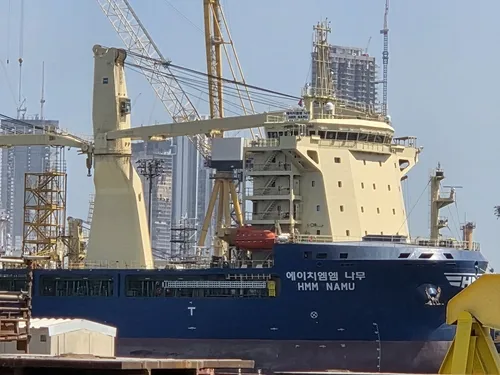
3 South Korea-related ships remain stranded, including the HMM Namu , damaged in Iranian-linked missile attacks and under repair in Dubai .
A total of 43 South Korean crew members are still stranded in the strait across South Korean and foreign-flagged vessels.
The original blockage began in late February when Iran blocked shipping routes amid its conflict with the US and Israel ; a US-Iran ceasefire this month enabled gradual departures.
Finance Minister Koo Yun-cheol announced fuel price ceiling cuts and a freeze on electricity and gas rates for the second half of the year to curb inflation.
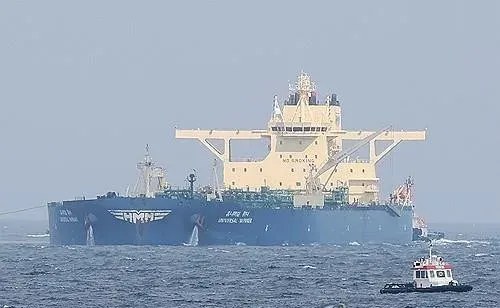
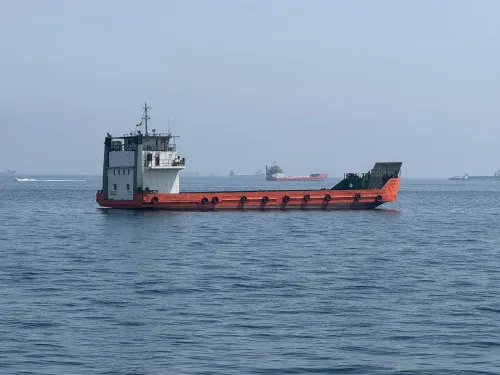
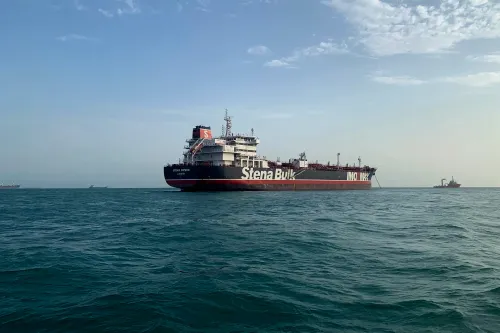
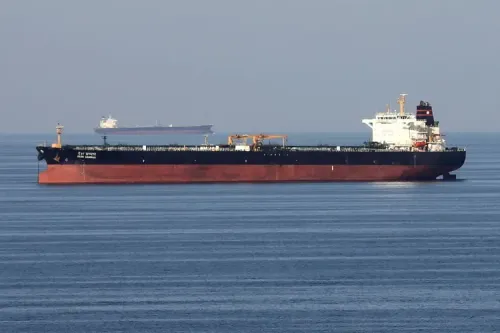
Two more South Korean vessels have successfully navigated through the Strait of Hormuz after being stranded there for months amid the ongoing conflict in the Middle East, South Korea's oceans ministry confirmed on Saturday, 27 June. The passage reduces the number of South Korea-related ships still stuck in the waterway to three.
Key Developments
'Two vessels operated by South Korean shipping companies, which had been waiting inside the Strait of Hormuz, are sailing normally after passing through the strait,' a ministry official said. Four South Korean crew members were aboard the two vessels that recently cleared the strait, though neither ship is bound for South Korea.
The latest departures are part of a gradual unblocking of the waterway following a US-Iran ceasefire deal signed earlier this month. Of the original 26 South Korea-related vessels stranded after Iran blocked shipping routes in late February, most have now passed through — the first two with Iranian assistance during the conflict, and the remainder leaving one by one since the ceasefire.
Vessels and Crew Still Stranded
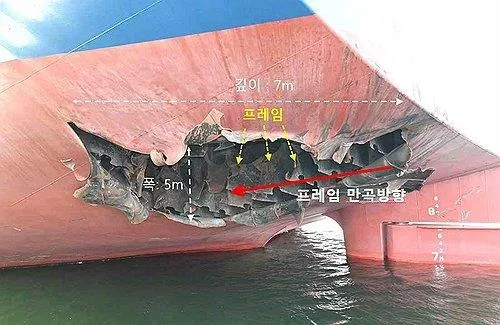
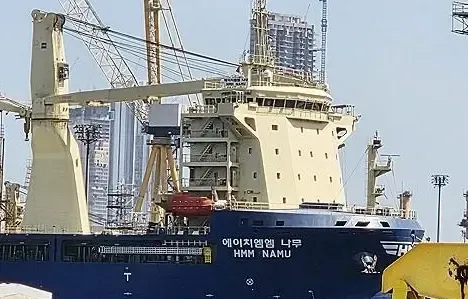
Three South Korea-related vessels remain in the strait, including the HMM Namu, which sustained damage in Iranian-linked missile attacks and is currently undergoing repairs at a port in Dubai. A total of 43 South Korean crew members remain stranded in the strait, including those aboard both South Korean vessels and foreign-flagged ships, according to the ministry.
The oceans ministry said it has been conducting real-time monitoring and providing diplomatic and navigational assistance — in coordination with the foreign ministry — to facilitate safe passage for the affected ships.
South Korea's Broader Economic Response
Separately, South Korea on Friday lowered price ceilings on fuel products to reflect the recent decline in global crude oil prices. Finance Minister Koo Yun-cheol announced during a meeting with economy-related ministers that electricity and gas rates would be frozen in the second half of the year to further contain inflation.
'The government will adjust the emergency measures currently in place in phases by closely monitoring developments in the Middle East and the South Korean economy,' Koo said. He noted the price cap system would remain in place until consumer prices are fully stabilised.
What Happens Next
With three vessels — including the damaged HMM Namu — still unable to leave and 43 crew members yet to return, the situation in the Strait of Hormuz remains unresolved for South Korea. The pace of the remaining departures will depend on the durability of the US-Iran ceasefire and the progress of repair work on the stricken ship. Seoul's dual-track approach — maritime diplomacy alongside domestic economic cushioning — signals that authorities are preparing for a prolonged stabilisation period.
Point of View
And 43 crew members remain in limbo. The ceasefire has eased but not ended Seoul's exposure — one fragile agreement stands between South Korea's shipping sector and a return to full blockade. That Seoul is simultaneously capping fuel prices and freezing utility rates signals that the economic aftershocks of the disruption are still live, and that the government is betting on a stable Middle East it does not control.
NationPress
25 Sept 2026
Frequently Asked Questions
How many South Korean vessels are still stranded in the Strait of Hormuz?
As of 27 June, three South Korea-related vessels remain stranded in the Strait of Hormuz, including the HMM Namu, which was damaged in Iranian-linked missile attacks and is undergoing repairs at a port in Dubai.
Why were South Korean ships blocked in the Strait of Hormuz?
Iran blocked shipping routes through the Strait of Hormuz in late February amid its conflict with the United States and Israel, stranding 26 South Korea-related vessels. Ships began leaving after a US-Iran ceasefire was signed earlier in June.
How many South Korean crew members are still stranded?
A total of 43 South Korean crew members remain stranded in the strait, including those aboard South Korean vessels and foreign-flagged ships, according to South Korea's oceans ministry.
What is the HMM Namu and why can't it leave?
The HMM Namu is a South Korean-operated vessel that sustained damage in Iranian-linked missile attacks during the conflict. It is currently undergoing repairs at a port in Dubai and is among the three ships yet to clear the strait.
What economic steps has South Korea taken in response to the Middle East disruption?
South Korea lowered price ceilings on fuel products on Friday to reflect falling global crude oil prices. Finance Minister Koo Yun-cheol also announced a freeze on electricity and gas rates for the second half of the year, with emergency price cap measures to remain until consumer prices fully stabilise.