South Korea Engages Iran on Stranded Ships in Hormuz Strait: New Developments
Synopsis
In a significant diplomatic move, South Korea has reached out to Iran regarding Korean ships stranded in the Strait of Hormuz. This may signal a shift in Seoul's approach amid the ongoing US-Iran conflict, as discussions for safe passage commence.
Key Takeaways
South Korea has engaged Iran regarding stranded vessels in the Strait of Hormuz.
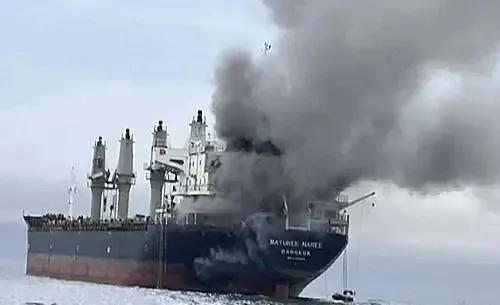
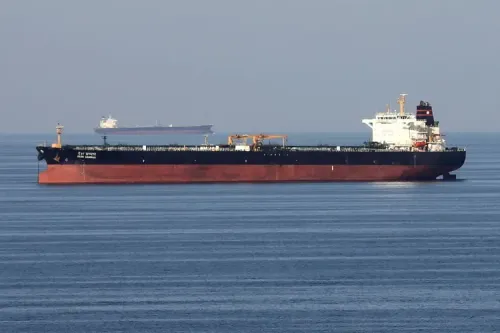
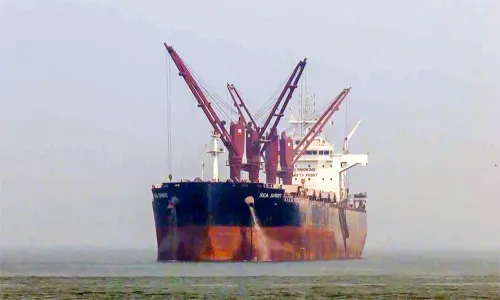
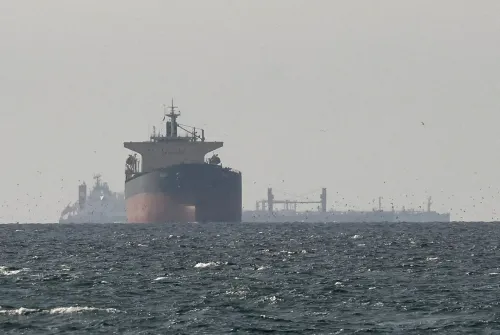
173 seafarers remain aboard 26 ships.
Chung Byung-ha is leading discussions in Tehran.
The US has implemented a naval blockade of Iranian ports.
Humanitarian assistance is being considered for affected regions.
Seoul, April 14 (NationPress) South Korea has provided critical information to Iran regarding Korean vessels trapped in the Strait of Hormuz, according to sources close to the situation. This development may indicate that Seoul is considering negotiations for the ships' safe passage amidst the ongoing US-Iran conflict.
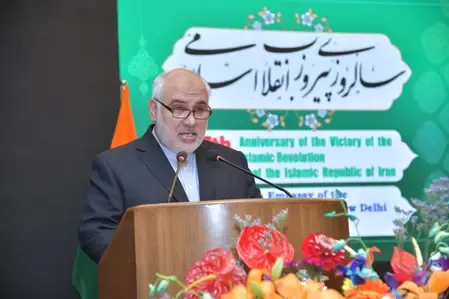
Chung Byung-ha, the special envoy to Iran, is reported to have discussed these matters during his meetings with Iranian officials, focusing on the safety of both the vessels and their crews.
This week in Tehran, Chung is representing the foreign minister and engaging in discussions about the stranded ships, as well as other bilateral issues related to the ongoing conflict, as outlined by the Yonhap news agency.
Seoul's actions seem to reflect the recent two-week ceasefire between Washington and Tehran, showcasing a potential shift from its earlier position that ruled out any direct negotiations with Iran concerning the ships' transit.
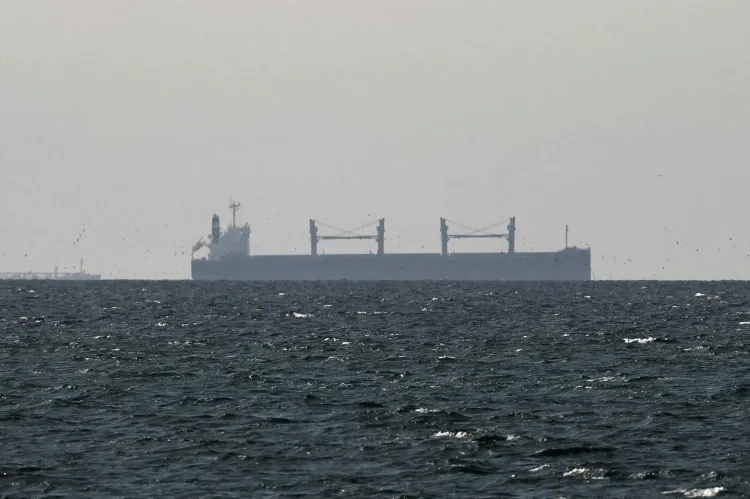
As stated by the oceans ministry, there are currently 173 seafarers aboard 26 vessels within the Strait of Hormuz.
The foreign ministry has refrained from confirming details of the discussions with Tehran, stating, "We are in contact with relevant nations to ensure the safety and passage of the vessels in the Strait of Hormuz."
It remains uncertain whether this engagement with Tehran will yield any successful outcomes for the ships, particularly following the unsuccessful peace talks between the US and Iran, mediated by Pakistan.
The US's announcement of a Navy-led blockade on the shipping route further complicates the situation.
The ministry has also expressed that it is considering humanitarian aid to regions affected by the conflict, in response to international calls for assistance.
On Monday, the United States initiated a naval blockade of Iranian ports, escalating pressure on the Islamic Republic after peace discussions in Pakistan concluded without an agreement. US President Donald Trump confirmed the blockade's implementation, commenting that Iran is eager to negotiate with the US, which has sparked hopes for diplomatic resolutions to end the ongoing US-Israeli war against Iran.
Point of View
The recent engagement between South Korea and Iran regarding the stranded vessels in the Strait of Hormuz highlights the complexities of international relations during turbulent times. This move may signify a shift in diplomatic strategy as South Korea seeks to ensure the safety of its maritime interests amidst ongoing geopolitical tensions.
NationPress
24 Sept 2026
Frequently Asked Questions
What is the current status of the Korean ships in the Strait of Hormuz?
There are 26 vessels with 173 seafarers currently stranded in the Strait of Hormuz.
Why did South Korea reach out to Iran?
South Korea has reached out to Iran to negotiate the safe passage of its stranded ships amidst rising tensions in the region.
What was the outcome of the US-Iran peace talks?
The US-Iran peace talks, mediated by Pakistan, ended without any agreement, leading to heightened tensions.
What actions is the US taking regarding Iranian ports?
The United States has initiated a naval blockade of Iranian ports to increase pressure on Iran amid the ongoing conflict.
Is there any humanitarian assistance being considered?
Yes, the South Korean foreign ministry is reviewing options for humanitarian assistance to conflict-affected regions.