KOSPI drops 0.57% as Hormuz tensions rattle Seoul markets
Synopsis
Seoul's KOSPI swung from a 1.09% early gain to a 0.57% loss in a single morning session — the Strait of Hormuz doing what US recession fears alone couldn't fully finish. With Iran reportedly threatening to block US and Israeli vessels, defence stocks surged while chips and autos bled, laying bare exactly which sectors win and lose when Middle East tensions spike.
Key Takeaways
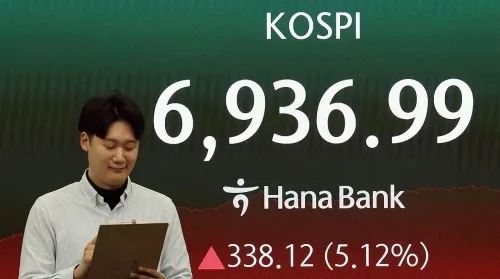
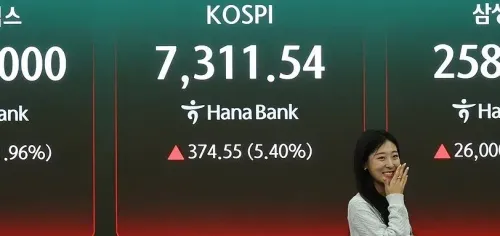
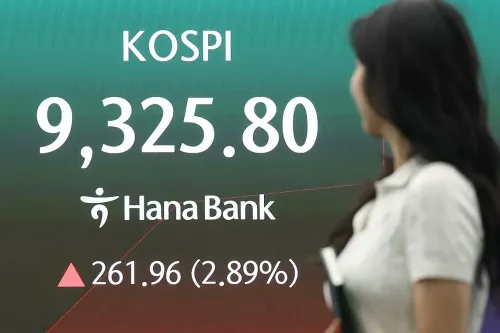
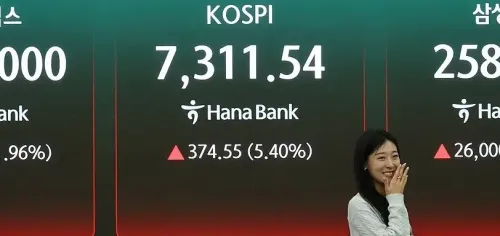
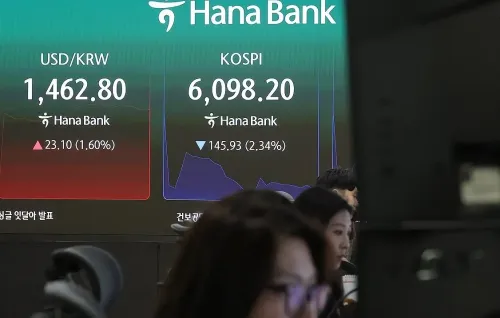
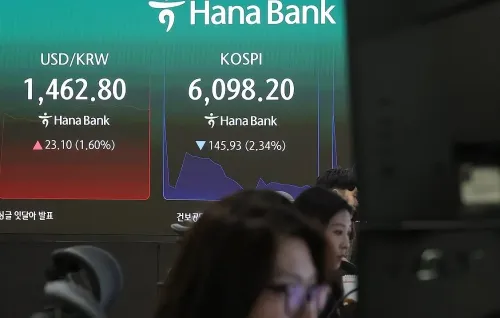
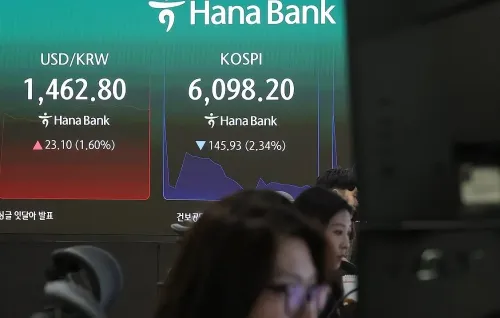
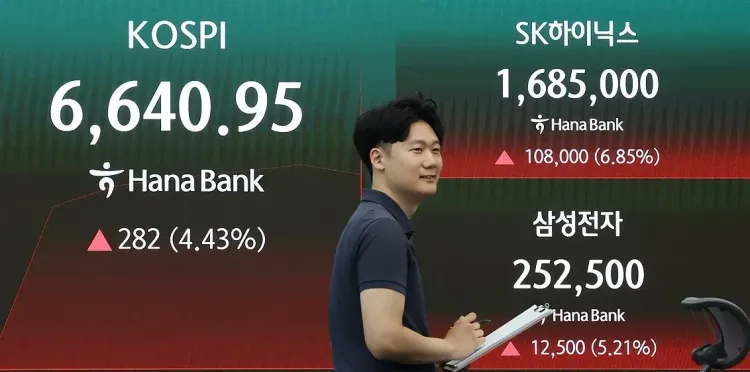
KOSPI fell 36.07 points (0.57%) to 6,260.31 as of 11:20 am on 7 August , reversing a 1.09% opening gain.
The index had already plunged 4.58 percent in the previous session, driven by technology stock losses.
Iran reportedly plans to deny US and Israeli ships access to the Strait of Hormuz , escalating geopolitical risk.
SK Hynix fell 4.01% , Hyundai Motor dropped 2.38% , and Lotte Shopping plunged 15.72% .
Hanwha Aerospace rose 1.8% and Korea Aerospace Industries advanced 4.6% , bucking the trend.
Institutions were net buyers of 423.3 billion won (~US$298 million); foreigners and individuals were net sellers.
South Korea's benchmark Korea Composite Stock Price Index (KOSPI) reversed early gains to trade 36.07 points lower at 6,260.31 — a decline of 0.57 percent — as of 11:20 am local time on Friday, 7 August, as renewed geopolitical tensions over the Strait of Hormuz dampened investor appetite. The index had opened 1.09 percent higher before sentiment turned.
Back-to-Back Pressure on Seoul Equities
Friday's reversal follows a steep 4.58 percent plunge in the previous session, driven largely by losses in technology stocks. The two-day stretch underscores how exposed South Korean equities are to external shocks — particularly those involving global shipping lanes and US market direction.
Overnight, Wall Street also closed in the red. The Dow Jones Industrial Average fell 0.85 percent, while the tech-heavy Nasdaq Composite edged down 0.06 percent, amid uncertainty over whether the United States and Iran could reach any agreement to reopen the strategic waterway.
The Hormuz Factor
Iran reportedly plans to deny passage through the Strait of Hormuz to US and Israeli vessels, and may require compensation from nations it considers hostile before granting access. The strait is a critical chokepoint for global oil trade, and any sustained disruption would have cascading consequences for energy prices and supply chains worldwide. This comes amid an already fragile geopolitical environment in the Middle East.
Stock-by-Stock Breakdown
Large-cap stocks in Seoul were mixed. Chip giant SK Hynix fell 4.01 percent, top carmaker Hyundai Motor declined 2.38 percent, and retailer Lotte Shopping plunged 15.72 percent. Shipbuilder Hanwha Ocean dropped 2.98 percent and Hyundai Steel shed 2.66 percent.
On the positive side, market bellwether Samsung Electronics rose 0.98 percent, and defence major Hanwha Aerospace climbed 1.8 percent — a notable divergence suggesting defence stocks are benefiting from the same tensions weighing on the broader index. POSCO Holdings gained 2.51 percent and Korea Aerospace Industries advanced 4.6 percent.
Institutional Flows and Currency
Institutions were net buyers, picking up 423.3 billion won (approximately US$298 million) worth of stocks. Foreigners and individual investors sold a net 179.5 billion won and 223.1 billion won, respectively — indicating domestic institutions stepped in to cushion the fall while overseas and retail participants exited.
The Korean won traded at 1,419.45 won per US dollar as of 11:20 am, strengthening by 4.65 won from the previous session's close. The currency's modest recovery suggests some stabilisation at the macro level even as equities remained under pressure.
How the Hormuz situation develops over the weekend is likely to set the tone for Seoul markets when they reopen next week.
Point of View
Despite having no direct stake in the Hormuz dispute. The split between defence gainers and chip-and-auto losers is telling: markets are already pricing a prolonged standoff, not a quick diplomatic fix. The fact that institutions were net buyers while foreigners sold suggests domestic funds are betting on a rebound, but that conviction looks fragile if Iran follows through on reported access restrictions. Seoul's heavy reliance on semiconductor and automotive exports means any sustained oil-price shock from Hormuz disruption would hit earnings, not just sentiment.
NationPress
22 Sept 2026
Frequently Asked Questions
Why did the KOSPI fall on 7 August?
The KOSPI fell 0.57% to 6,260.31 on 7 August after renewed geopolitical tensions over the Strait of Hormuz dampened investor sentiment. The move reversed an early 1.09% gain and followed a steep 4.58% plunge in the previous session.
What is the Strait of Hormuz and why does it matter for markets?
The Strait of Hormuz is a critical global oil shipping chokepoint between Iran and Oman. Iran reportedly plans to deny access to US and Israeli vessels and demand compensation from hostile nations, raising fears of oil supply disruption that ripple across energy prices and export-dependent economies like South Korea.
Which stocks fell the most on the KOSPI today?
Lotte Shopping was the biggest loser, plunging 15.72%. SK Hynix fell 4.01%, Hanwha Ocean dropped 2.98%, Hyundai Steel shed 2.66%, and Hyundai Motor declined 2.38%.
Were there any gainers on the KOSPI amid the sell-off?
Yes. Korea Aerospace Industries advanced 4.6%, POSCO Holdings gained 2.51%, Hanwha Aerospace climbed 1.8%, and Samsung Electronics rose 0.98%, with defence and steel names bucking the broader trend.
How did institutional and foreign investors behave during the session?
Institutions were net buyers, purchasing 423.3 billion won (approximately US$298 million) in stocks. Foreigners sold a net 179.5 billion won and individual investors offloaded a net 223.1 billion won, suggesting domestic institutions tried to cushion the decline.