Ongoing Middle East Conflict Poses Risks to Market Interest Rates: Bank of Korea
Synopsis
The Bank of Korea warns of potential upward pressure on market interest rates due to escalating tensions in the Middle East, fueled by rising oil prices and inflation concerns. This situation could impact financial stability and corporate profitability in South Korea.
Key Takeaways
Market interest rates may rise due to ongoing Middle East tensions.
Increased oil prices could lead to higher inflation .
The Korean economy heavily relies on imports for fossil fuels.
Prolonged conflict may affect corporate profitability .
Enhanced risk management is essential for financial stability.
Seoul, March 26 (NationPress) The ongoing conflict in the Middle East may exert considerable upward pressure on market interest rates due to escalating inflation and rising fears of global monetary tightening, according to a statement from the central bank on Thursday.
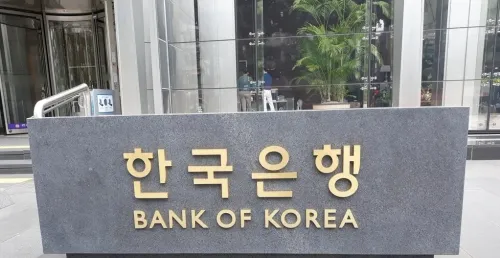
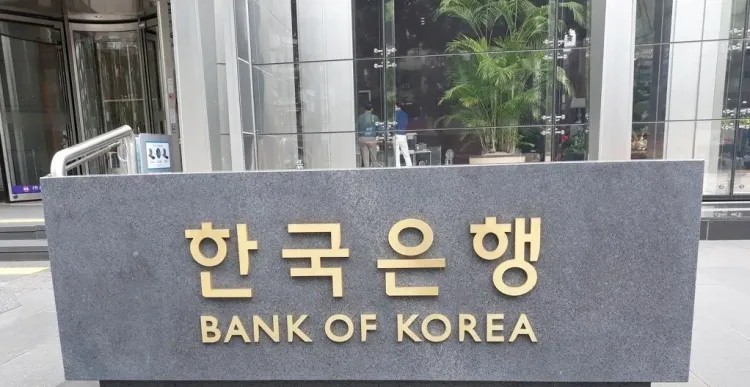
The Bank of Korea (BOK) highlighted this concern in its recent financial stability report, as the U.S.-Israeli strikes on Iran have intensified into a wider regional conflict, as reported by Yonhap news agency.
"Should the tensions in the Middle East continue, market interest rates are likely to experience upward pressure as increasing oil prices exacerbate supply-side inflation and intensify worries about global monetary tightening," the BOK remarked.
"Interruptions in the energy supply chain could result in elevated international energy prices, influencing both inflation and economic growth," the report emphasized, pointing out that heightened risk-averse sentiment could lead to increased volatility in domestic foreign exchange and financial markets.
This conflict has propelled global oil prices upward due to the effective closure of the Strait of Hormuz, disrupting international oil supplies. South Korea depends on imports for approximately 98% of its fossil fuels and acquires around 70% of its crude oil from the Middle East, based on data from industry and government sources.
"If tensions in the Middle East endure, foreign investors' inclination towards safe-haven assets is expected to persist, which may hinder any reduction in volatility in stock prices and exchange rates," the report added.
The Korean won has significantly depreciated against major currencies in light of risk-averse sentiment and a strong dollar.
The BOK also warned that a prolonged crisis could adversely impact corporations, as rising energy costs might diminish profitability and impair debt repayment capabilities for vulnerable firms.
"In light of the increased uncertainty surrounding the conflict, it is crucial to enhance monitoring and risk management of foreign exchange and financial markets, as well as the sectors at risk. Authorities should bolster coordination to implement timely market stabilization measures when necessary," the BOK advised.
During its latest rate-setting meeting in February, the BOK maintained its benchmark interest rate at 2.5%, marking the sixth consecutive hold. Analysts predict the central bank will continue this prolonged pause to foster financial stability.
Point of View
I see the current analysis from the Bank of Korea as a crucial alert for investors. The intertwining of global tensions with market dynamics stresses the importance of vigilance in financial strategies. The consequences of the Middle East conflict extend beyond borders, impacting economic stability in South Korea and beyond.
NationPress
23 Sept 2026
Frequently Asked Questions
What impact could the Middle East conflict have on South Korea's economy?
The Bank of Korea suggests that ongoing tensions could lead to higher market interest rates and inflation, affecting economic growth and corporate profitability.
How does the conflict influence global oil prices?
The conflict has disrupted oil supplies, particularly through the Strait of Hormuz, leading to increased global oil prices.
What measures is the Bank of Korea considering?
The Bank of Korea is enhancing monitoring and risk management of financial markets and vulnerable sectors to mitigate potential impacts.
Why is the Korean won weakening?
The Korean won has weakened significantly against major currencies due to risk-averse sentiment and a strong dollar amidst ongoing global tensions.
What is the current interest rate set by the Bank of Korea?
As of February, the Bank of Korea's benchmark interest rate remains steady at 2.5%.