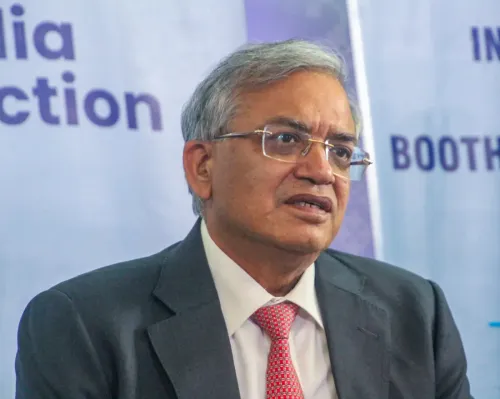
Mahua Moitra Accuses CEC Gyanesh Kumar of Stealing Elections

Synopsis
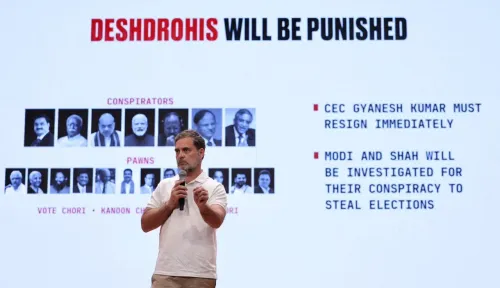
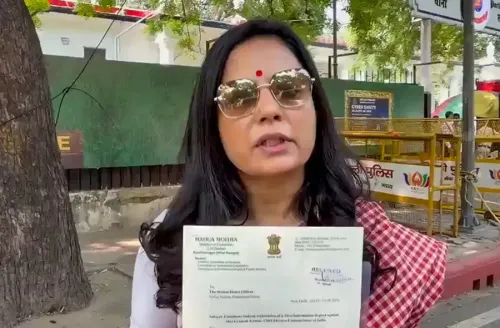
TMC MP Mahua Moitra on September 24, 2026 publicly accused Chief Election Commissioner Gyanesh Kumar of colluding with PM Narendra Modi and Home Minister Amit Shah to steal elections and disenfranchise crores of Indian voters, calling the CEC 'rogue' and warning the country 'will not accept this anymore.'
Key Takeaways
TMC MP Mahua Moitra directly named Chief Election Commissioner Gyanesh Kumar , accusing him of acting as a 'rogue CEC' in concert with the government.
Moitra alleged that 'crores' of Indian voters are being disenfranchised — pointing to electoral roll manipulation as the mechanism.
Prime Minister Narendra Modi and Home Minister Amit Shah were named personally, framing the alleged collusion as a political directive from the top.
The accusation builds on a long-running opposition argument that changes to the CEC appointment process compromised the Election Commission's independence.
The post, made on September 24, 2026 , carries a video and is framed as a public warning: 'This country will not accept this anymore.' No specific 2026 disenfranchisement figures have been independently verified; the claims remain at the level of political allegation.
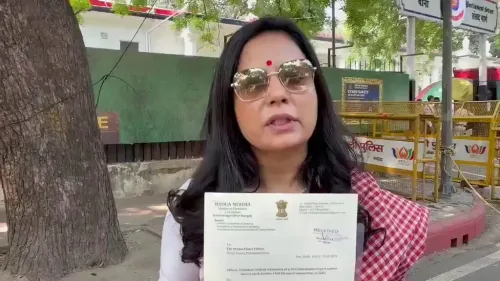
A pointed political broadside landed on Thursday evening when TMC MP Mahua Moitra fired a direct accusation at Chief Election Commissioner Gyanesh Kumar, Prime Minister Narendra Modi, and Home Minister Amit Shah — charging that elections are being 'stolen' and crores of voters disenfranchised by what she called a 'rogue CEC' acting in concert with the government. The post, timestamped 19:13 IST on September 24, 2026, carries unmistakable urgency: 'This country will not accept this anymore.'
The Charge: A 'Rogue CEC' and a Government Hand
Moitra named Gyanesh Kumar by name — the sitting Chief Election Commissioner — and flatly stated he is 'not going to get away.' The accusation pivots on a familiar but now sharply escalating opposition argument: that the Election Commission of India, a constitutional body meant to function at arm's length from the executive, is instead operating as an instrument of the ruling Bharatiya Janata Party government. By coupling Kumar's name with Modi and Shah in the same breath, Moitra drew the alleged chain of influence in stark, unambiguous terms.
The language is worth noting. 'Crores are being disenfranchised' is a mass-scale allegation — not a procedural complaint, but a claim that the electoral roll itself has been weaponised. That specific charge — manipulated voter lists — has been a recurring flashpoint in opposition politics since at least the 2024 Lok Sabha elections, when multiple parties raised concerns about deletions and additions to rolls in contested constituencies.
The Election Commission's Constitutional Position — and Why It's Contested
The Election Commission of India derives its authority directly from Article 324 of the Constitution, designed specifically to insulate it from political pressure. The CEC holds a tenure-protected post removable only through a process mirroring the removal of a Supreme Court judge. In theory, that makes the office among the most independent in Indian democracy. In practice, opposition parties — including the All India Trinamool Congress — have for years argued that the appointment process, which vests selection power in a government-led committee, structurally compromises that independence.
The row over CEC appointments intensified after a Supreme Court ruling and subsequent legislative changes altered the selection panel's composition, removing the Chief Justice of India from the process. Critics saw that move as tilting the balance toward executive influence; the government argued it was constitutionally valid. Moitra's post lands squarely inside that unresolved tension.
A Pattern That Keeps Repeating — and Why This Moment Feels Different
Opposition leaders alleging EC bias is not new in Indian politics. What gives this post its edge is the register: this is not a measured parliamentary statement or a press conference complaint. It is a direct, named accusation of criminality — 'elections are being stolen' — posted to a public platform with a video attached, addressed to tens of thousands of followers. The naming of the CEC personally, rather than the institution, represents a deliberate escalation.
Whether the claims are substantiated in formal proceedings remains to be seen — the research available does not verify specific 2026 disenfranchisement figures. But the political signal is clear: the opposition is not quietly filing petitions. It is putting names on the record and demanding accountability in public.
If any parliamentary discussion on electoral reforms or legal petitions follow this salvo, Gyanesh Kumar and the Election Commission will be at the centre of the debate India cannot afford to avoid.
Point of View
Named accusations of electoral theft. The naming of the CEC alongside the Prime Minister and Home Minister is a calculated political move: it collapses the distinction between a constitutional officer and partisan actors, forcing the EC into a defensive posture. This follows a broader pattern across democracies where trust in electoral bodies has become a primary front in political warfare. The real test now is whether these allegations translate into formal legal or parliamentary action — or remain a pressure campaign conducted on social media.
NationPress
24 Sept 2026
Frequently Asked Questions
What did Mahua Moitra say about Gyanesh Kumar?
Mahua Moitra accused Chief Election Commissioner Gyanesh Kumar of being a 'rogue CEC' who is helping the government disenfranchise crores of voters and steal elections, warning he 'is not going to get away.'
Who is Gyanesh Kumar?
Gyanesh Kumar is the Chief Election Commissioner of India, the head of the constitutional body responsible for conducting free and fair elections across the country.
Why is the Election Commission's independence under question?
Opposition parties argue that legislative changes to the CEC appointment process — which removed the Chief Justice of India from the selection panel — gave the ruling government greater control over who leads the Election Commission, undermining its constitutional independence.
What is voter disenfranchisement and why is it being alleged in India?
Voter disenfranchisement refers to the removal or denial of eligible voters from electoral rolls. Opposition leaders have alleged that roll revisions in key constituencies have systematically deleted legitimate voters, skewing outcomes in favour of the ruling party.
What action could follow Mahua Moitra's allegations?
The allegations could lead to formal legal petitions challenging specific Election Commission decisions, parliamentary debates on electoral reform, or resolutions by opposition parties demanding accountability from the CEC.