73 Rajya Sabha MPs Move to Remove CEC Gyanesh Kumar
Synopsis
For the first time in modern Indian history, 73 Rajya Sabha Opposition MPs have formally moved to remove Chief Election Commissioner Gyanesh Kumar, citing 9 charges of proven misbehaviour. The constitutional motion — addressed to the President — invokes judicial-level removal procedures and signals an unprecedented crisis of institutional trust in India's electoral democracy.
Key Takeaways
73 Opposition Rajya Sabha MPs have submitted a formal notice of motion demanding the removal of Chief Election Commissioner Gyanesh Kumar .
The motion cites nine specific charges of "proven misbehaviour" through acts and omissions since March 15, 2026 .
The legal basis includes Article 324(5) , Article 124(4) of the Constitution, Section 11(2) of the CEC Act 2023 , and the Judges (Inquiry) Act, 1968 .
Congress leader Jairam Ramesh called the CEC's continuation in office "an absolute disgrace" and "an assault on the Constitution" .
No Chief Election Commissioner has ever been removed in independent India's history , making this motion historically unprecedented.
The Rajya Sabha Secretariat will now examine admissibility; if admitted, a formal parliamentary inquiry process could be triggered.
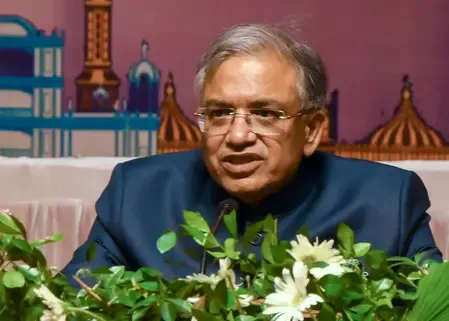
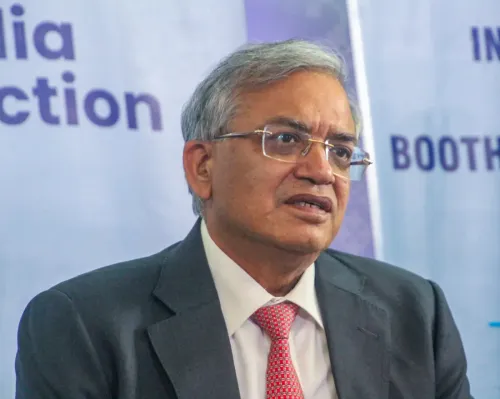
New Delhi, April 24: In an extraordinary constitutional escalation, 73 Opposition members of the Rajya Sabha have formally submitted a notice of motion to the Secretary-General demanding the removal of Chief Election Commissioner (CEC) Gyanesh Kumar. The motion, addressed directly to the President of India, alleges "proven misbehaviour" through specific acts and omissions committed since March 15, 2026 — making it one of the most serious challenges ever mounted against a sitting election chief in independent India.
Nine Charges and the Constitutional Basis
The notice invokes a layered constitutional and legal framework, citing Article 324(5) read with Article 124(4) of the Constitution of India, Section 11(2) of the Chief Election Commissioner and Other Election Commissioners (Appointment, Conditions of Service and Term of Office) Act, 2023, and the Judges (Inquiry) Act, 1968. Together, these provisions establish the legal pathway for initiating formal removal proceedings against a sitting CEC.
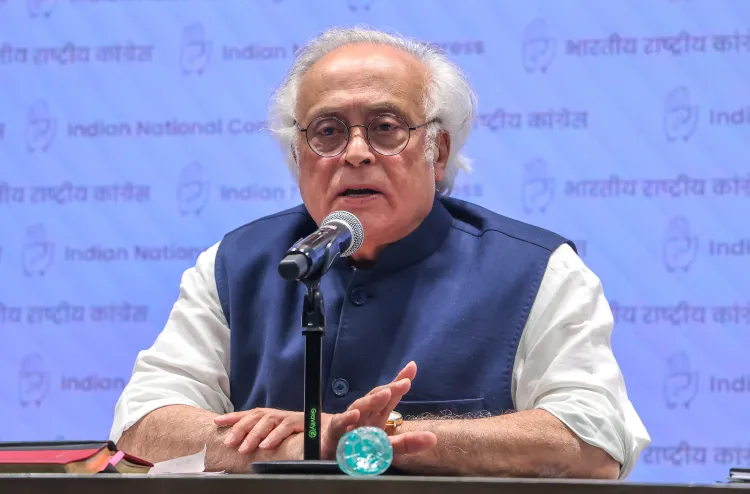
Congress leader Jairam Ramesh, in a detailed post on social media, confirmed that nine specific charges have been meticulously documented against Gyanesh Kumar. He stated the charges are backed by evidence that cannot be "denied or whitewashed away".
Ramesh described the CEC's continuation in office as "an assault on the Constitution" and "an absolute disgrace", alleging that Kumar remains in his position to serve the political interests of the Prime Minister and the Home Minister — a charge that the ruling establishment is expected to strongly deny.
Why This Move Is Historically Significant
The removal of a Chief Election Commissioner is an extraordinarily rare step in Indian parliamentary history. Under the constitutional design, the CEC enjoys near-judicial protection — removable only through a process mirroring that of a Supreme Court judge, requiring a formal address by Parliament to the President of India. No CEC has ever been removed in post-independence India, making this motion a watershed political and constitutional moment.
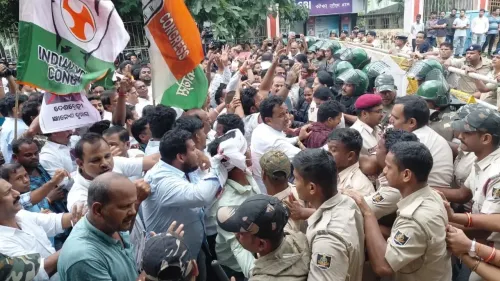
This move comes amid a broader pattern of Opposition accusations against the Election Commission of India, which has faced repeated allegations of institutional bias over recent electoral cycles. Critics have pointed to decisions on Model Code of Conduct enforcement, voter roll management, and scheduling of elections as flashpoints of controversy.
Notably, the Chief Election Commissioner and Other Election Commissioners Act, 2023 — which replaced the earlier framework — was itself contested by the Opposition, which argued that the new appointment process diluted the independence of the Election Commission by removing the Chief Justice of India from the selection panel.
What Happens Next: Parliamentary Procedure
The Rajya Sabha Secretariat will now examine the admissibility of the notice under established parliamentary procedures. If the notice is admitted, it would trigger a formal inquiry process modelled on the Judges (Inquiry) Act, 1968, potentially leading to the constitution of a probe committee comprising members of both Houses of Parliament and a judicial member.
The ruling party is widely expected to dismiss the motion as politically motivated, particularly given the charged atmosphere surrounding national security and upcoming electoral events. However, the constitutional process, once initiated, follows its own procedural logic regardless of political optics.
The Rajya Sabha currently has the Opposition holding a numerically significant bloc, but whether the motion crosses the threshold required for formal admission and inquiry remains to be seen.
Broader Implications for Electoral Democracy
The motion strikes at the heart of a fundamental democratic question: the independence and impartiality of India's apex electoral body. The Election Commission of India administers elections for over 900 million registered voters — the largest democratic exercise on the planet. Any perception of institutional capture, whether real or alleged, carries profound consequences for public trust in electoral outcomes.
Opposition parties argue that the credibility of the 2024 General Elections and subsequent state elections hinges on the perceived neutrality of the CEC. The ruling Bharatiya Janata Party (BJP), on the other hand, is likely to frame the motion as a desperate opposition tactic to delegitimise electoral verdicts that went against them.
Political observers note that the timing of this escalation — amid heightened national security tensions following recent cross-border incidents — adds another layer of complexity to the political landscape. The motion is likely to dominate parliamentary discourse in the coming weeks.
What to Watch
All eyes will now be on the Rajya Sabha Secretariat's decision on admissibility, the formal response from Chief Election Commissioner Gyanesh Kumar, and whether the ruling coalition moves to counter the motion procedurally or politically. The coming days will test both the resilience of India's constitutional institutions and the Opposition's ability to sustain this extraordinary challenge beyond the realm of political theatre.
Point of View
The damage to the Election Commission's perceived independence may already be done — and that is the real story mainstream coverage is missing.
NationPress
1 Oct 2026
Frequently Asked Questions
Why are Opposition MPs seeking the removal of Chief Election Commissioner Gyanesh Kumar?
73 Opposition Rajya Sabha MPs have filed a removal motion against CEC Gyanesh Kumar citing nine charges of 'proven misbehaviour' through acts and omissions since March 15, 2026. Congress leader Jairam Ramesh has alleged that Kumar continues in office to serve the interests of the Prime Minister and Home Minister, calling his tenure 'an assault on the Constitution.'
What is the legal process to remove a Chief Election Commissioner in India?
Under Article 324(5) read with Article 124(4) of the Constitution, a Chief Election Commissioner can only be removed through a parliamentary address to the President — the same process used to remove a Supreme Court judge. The process is governed by the Judges (Inquiry) Act, 1968, and requires formal parliamentary proceedings.
Has any Chief Election Commissioner ever been removed in India?
No Chief Election Commissioner has ever been removed in the history of independent India, making the current motion an extraordinary and historically unprecedented constitutional move. The removal process mirrors that of a Supreme Court judge and is designed to be extremely difficult to execute.
What happens after the Rajya Sabha notice is submitted against the CEC?
The Rajya Sabha Secretariat will examine the admissibility of the notice under established parliamentary procedures. If admitted, it could lead to the constitution of a formal inquiry committee comprising members of both Houses and a judicial member, following the framework of the Judges (Inquiry) Act, 1968.
What is the significance of the Chief Election Commissioner and Other Election Commissioners Act 2023 in this context?
The 2023 Act, which governs the appointment and removal of the CEC, replaced an earlier framework and controversially removed the Chief Justice of India from the selection panel. The Opposition has cited Section 11(2) of this Act as part of the legal basis for the removal motion, and critics argue the law itself weakened the Election Commission's independence.