Nana Patole's Controversial Remarks on CEC Gyanesh Kumar Spark Political Tensions
Synopsis
Former Maharashtra Congress chief Nana Patole has stirred controversy with his remarks about CEC Gyanesh Kumar, drawing sharp reactions from the BJP. His comments come amid ongoing impeachment motions against the CEC, highlighting the deepening political rifts as the Assembly elections approach.
Key Takeaways
Nana Patole criticized CEC Gyanesh Kumar in a controversial statement.
Opposition parties are pursuing an impeachment motion against the CEC.
Patole claims the CEC is biased towards the ruling party.
Protests were held regarding LPG shortages affecting local businesses.
The political climate is tense ahead of upcoming elections.
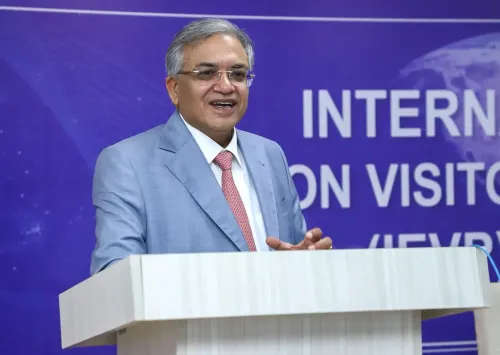
Mumbai, March 13 (NationPress) Former Maharashtra Congress president Nana Patole has sparked a new controversy on Friday by making derogatory comments about Chief Election Commissioner (CEC) Gyanesh Kumar, comparing him to a fourth-class employee who is obedient to the Prime Minister and the government.
This 'outrageous' assertion has reportedly upset members of the BJP party, although they have yet to issue a response.
Patole’s inappropriate remarks against the CEC follow closely after opposition parties filed a notice for an impeachment motion aimed at his removal.
The Congress leader accused CEC Gyanesh Kumar of operating under the influence of the Central government with the intent to favor the ruling party in the impending Assembly elections.
In a statement to the press, he asserted that the opposition's request for his dismissal was warranted, as he has been collaborating with the ruling party to undermine the democratic framework of the country.
These comments from Patole come in the wake of the Trinamool Congress (TMC) initiating an impeachment motion against the Chief Election Commissioner. TMC has reportedly submitted two notices in both Lok Sabha and Rajya Sabha for his removal, with around 120 and 60 members respectively signing the motion.
The notice against the CEC purportedly includes seven allegations against him, ranging from ‘biased conduct’ to mass disenfranchisement under the ongoing Special Intensive Revision (SIR).
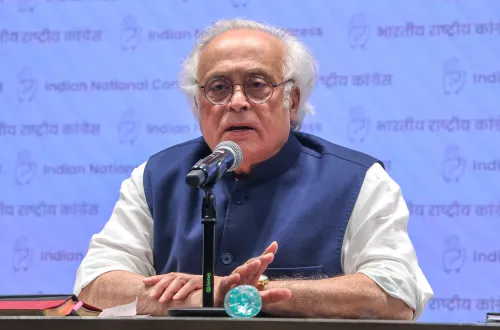
Pointing to the ‘overbearing’ and lack of transparency displayed by the current CEC, Patole remarked, “It was during Rajiv Gandhi’s administration that the Election Commission was granted autonomous status, but with individuals like him in charge, the institution's integrity and credibility are deteriorating.”
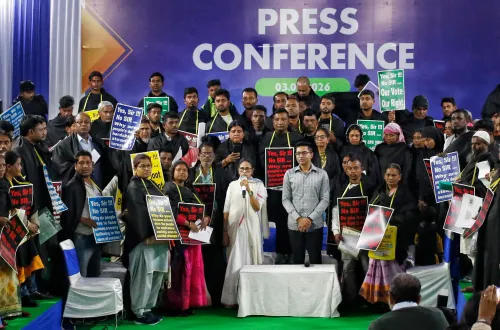
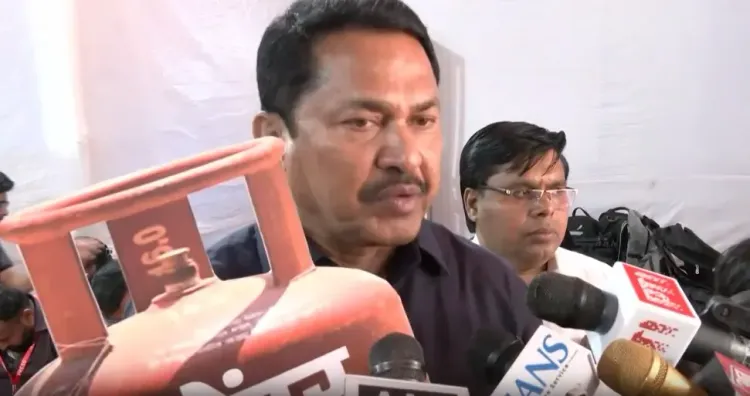
Patole’s pointed critique of the CEC arose during a protest concerning the LPG shortages in the city. He, along with other Congress leaders, demonstrated with LPG cut-outs to highlight the struggles faced by ordinary citizens and small business owners.
They argued that numerous restaurants and eateries are on the verge of closure due to the LPG crisis, demanding that the government take responsibility. They attributed the situation to 'black marketing and hoarding' of gas cylinders.
Point of View
Particularly as opposition parties seek accountability from influential figures like the Chief Election Commissioner. Patole's remarks serve as a reminder of the ongoing scrutiny faced by election authorities in a politically charged environment.
NationPress
19 Sept 2026
Frequently Asked Questions
What did Nana Patole say about CEC Gyanesh Kumar?
Nana Patole made derogatory remarks, comparing Gyanesh Kumar to a fourth-class employee and accusing him of being subservient to the government.
What is the context of the impeachment motion against the CEC?
The impeachment motion was initiated by the Trinamool Congress, citing several charges against the CEC, including biased conduct and disenfranchisement.
How has the BJP reacted to Patole's comments?
While the BJP has not issued an official response yet, Patole's remarks have reportedly raised concerns within the party.
What issues were Congress leaders protesting?
Congress leaders, including Patole, protested against LPG shortages affecting restaurants and small businesses, claiming the government is responsible for the crisis.
Why are Patole's comments significant?
Patole's comments come amid a politically sensitive period leading up to the Assembly elections, highlighting the strained relationship between opposition parties and election authorities.