China's Exports Strained by Middle East Turmoil and Rising Shipping Costs
Synopsis
The escalating conflict in the Middle East is causing significant disruptions to China’s exports, with shipping costs soaring and goods piling up in warehouses. This crisis impacts key suppliers like Yiwu, critical for global commerce.
Key Takeaways
Middle East conflict is disrupting China’s export flow.
Shipping costs have skyrocketed, increasing fivefold.
Goods are piling up in local warehouses, impacting supply chains.
Yiwu supplies a significant portion of exports to the Middle East.
Energy supplies are also affected due to reduced imports from Iran and Qatar.
New Delhi, March 17 (NationPress) The ongoing conflict in the Middle East is adversely affecting China's exports, primarily due to shipping disruptions that have resulted in goods accumulating in local warehouses, as reported by various media outlets.
According to CBC News, the city of Yiwu in China, recognized globally as a major hub for household goods and electronics, is a crucial supplier to U.S. retail giants including Amazon and Walmart, as well as to the Middle East.
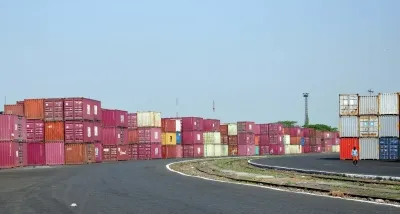
Chris Brown's report highlights that the escalation in shipping costs, alongside the risks posed to commercial vessels due to the Iran conflict, has deterred importers from accepting shipments of Chinese goods, causing inventories to swell. A local entrepreneur noted that shipping expenses have surged fivefold, escalating from $1,200 to $6,000 per container.
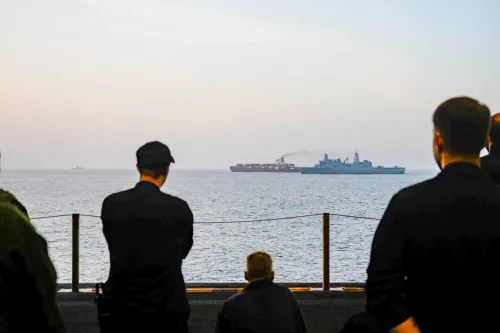
In addition to inflated shipping costs, some importers are hesitant to transport goods due to safety concerns amid ongoing attacks on commercial shipping in the region. A recent incident saw another oil tanker struck in the Persian Gulf, reinforcing these apprehensions.
The analysis underscores how the Iran war and the obstructions in the Strait of Hormuz are significantly impacting global supply chains, particularly from this Eastern Chinese city.
Local business figures assert that nearly 30% of the goods exported from Yiwu are consumed in the Middle East.
Moreover, the conflict's fallout extends beyond exports, as China, a major purchaser of Iranian oil, faces challenges on the energy front. The report also indicates that much of the liquefied natural gas (LNG) imported by China is sourced from Qatar, which has halted some operations due to airstrikes on its gas facilities, further complicating supply issues.
Point of View
One must acknowledge the significant impact that geopolitical conflicts like the one in the Middle East have on global trade dynamics. The ripple effects not only hinder exports but also pose risks to energy supplies, thereby affecting nations reliant on these goods.
NationPress
16 Oct 2026
Frequently Asked Questions
What is causing the delay in China's exports?
The ongoing conflict in the Middle East is disrupting shipping routes and increasing costs, leading to a backlog of goods in Chinese warehouses.
How much have shipping costs increased?
Shipping costs have surged fivefold, from $1,200 per container to $6,000 due to the conflict and associated risks.
Which regions are most affected by these export issues?
The Middle East, particularly countries consuming Chinese goods, is significantly affected, accounting for about 30% of Yiwu's exports.
What are the implications for energy supplies in China?
China, being a major buyer of Iranian oil, faces challenges in its energy supplies due to the conflict and disruptions in gas operations from Qatar.
What is Yiwu known for?
Yiwu is known as the world’s supermarket, supplying a vast range of household goods and electronics to major retailers globally.