Ramaswamy Unveils Ohio Property Tax Fix, Blames Federal Overspend
Synopsis
Entrepreneur Vivek Ramaswamy on July 17, 2026 proposed a state-level fix for Ohio's property tax crisis, arguing that post-Covid federal overspending drove asset price inflation that pushed tax bills beyond the reach of ordinary homeowners.
Key Takeaways
Ramaswamy publicly released a plan on July 17, 2026 to address Ohio 's property tax crisis.
He attributed the crisis to asset price inflation caused by post-Covid federal overspending in Washington D.C.
The CARES Act (2020) and American Rescue Plan (2021) are the key federal spending packages linked to subsequent inflation and rising property assessments.
Ohio homeowners and local school districts are the primary stakeholders affected by any property tax reform.
Ramaswamy frames federal spending restraint as the long-term solution, with his Ohio plan serving as an interim state-level remedy.
The Ohio General Assembly and ongoing federal DOGE-linked spending debates will determine the next steps.
Entrepreneur Vivek Ramaswamy — founder and executive chairman of Strive Asset Management and former co-lead of the US Department of Government Efficiency (DOGE) advisory effort — on Thursday, July 17, 2026, publicly outlined a plan to address the property tax crisis in Ohio, attributing the root cause to asset price inflation triggered by post-Covid federal overspending.
Context
Ramaswamy stated plainly: 'The driver of the property tax crisis was asset price inflation driven by post-Covid federal overspending.' He acknowledged that curtailing spending in Washington D.C. remains the ultimate fix, but offered what he called his own plan as an interim state-level remedy for Ohio homeowners burdened by rising tax bills.
The post, accompanied by a video, marks one of Ramaswamy's most direct forays into state-level fiscal policy since he stepped back from the federal DOGE advisory role. As a prominent Ohio-linked public figure and 2024 Republican presidential candidate, his intervention carries political weight in the state.
Policy Backdrop
The property tax squeeze across many US states traces back to the CARES Act of 2020 and the American Rescue Plan of 2021 — large-scale federal stimulus packages that injected trillions of dollars into the economy during and after the Covid-19 pandemic. Economists have linked this spending surge to broad inflationary pressures, including rapid appreciation in real estate values.
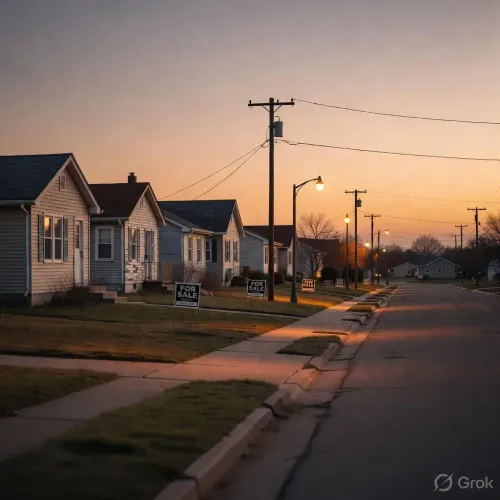
As home prices rose, local governments reassessed property values upward, automatically lifting tax liabilities for homeowners even when their incomes did not keep pace. Ohio homeowners, along with those in many other states, have felt this squeeze acutely over the past several years. State legislatures have explored tools such as assessment caps, circuit-breaker credits, and reassessment-cycle reforms to soften the blow.
Stakeholders and Impact
Ohio homeowners — particularly middle-income families on fixed or slowly growing wages — stand to benefit most directly from any successful property tax relief measure. However, local school districts, which rely heavily on property tax revenues for funding, could face budgetary pressure if assessments or rates are capped without a replacement revenue mechanism.
Ramaswamy's framing also speaks to a national conservative policy debate: that federal fiscal excess has downstream consequences for state and local taxpayers, and that reducing federal spending is inseparable from relieving everyday cost burdens. His DOGE background lends him a specific credibility lane in that argument.
What's Next
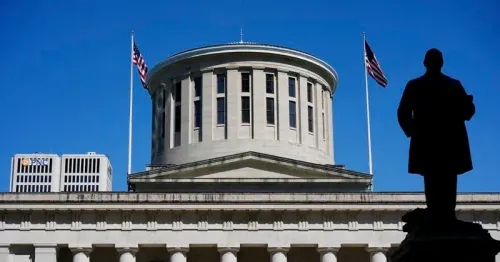
The specifics of Ramaswamy's Ohio plan — as detailed in the video attached to his post — will likely draw scrutiny from the Ohio General Assembly, which is expected to take up property tax relief questions during upcoming budget cycles. Any proposal will need to balance homeowner relief against the funding needs of local services and school districts.
At the federal level, ongoing debates over spending restraint — including measures linked to DOGE recommendations — will shape whether the inflationary pressure driving higher assessed values begins to ease. Until then, state-level interventions of the kind Ramaswamy is proposing may represent the fastest path to relief for Ohio homeowners.
Point of View
Leveraging his DOGE credentials to give state-level proposals a national platform. By explicitly connecting local property tax pain to Washington's spending choices, he is advancing a political argument as much as a policy one — framing conservative fiscal restraint as the only durable remedy. This fits a broader pattern among post-DOGE Republicans of translating federal efficiency rhetoric into tangible, voter-facing state proposals. Whether the Ohio plan gains legislative traction will be an early test of how much policy influence Ramaswamy can exercise from outside elected office.
NationPress
15 Oct 2026
Frequently Asked Questions
Why are property taxes rising in Ohio?
Property taxes in Ohio have risen primarily because post-Covid federal stimulus spending contributed to broad inflation, pushing up real estate values and, in turn, the assessed valuations on which property taxes are calculated.
What is Vivek Ramaswamy's plan for Ohio property taxes?
Ramaswamy announced a state-level property tax relief plan for Ohio on July 17, 2026; the full details were shared in a video attached to his post, and the Ohio General Assembly would need to act on any formal proposal.
How did federal overspending cause a property tax crisis?
Large federal stimulus packages in 2020 and 2021, including the CARES Act and the American Rescue Plan, injected trillions into the economy, fuelling inflation that drove up home prices and thus property tax assessments across many US states including Ohio.
What is DOGE and what is Ramaswamy's connection to it?
DOGE — the Department of Government Efficiency — was a federal advisory effort focused on reducing government spending; Ramaswamy served as its co-lead before stepping back, and he continues to advocate for federal fiscal restraint.
How does Ohio's property tax crisis affect school districts?
Ohio school districts depend heavily on property tax revenues, so any relief measures that cap assessments or rates could reduce available funding for local schools unless alternative revenue sources are identified.