Ramaswamy vows Ohio healthcare cost cuts, pledges fraud prosecutions

Synopsis
Entrepreneur Vivek Ramaswamy has promised to bring down healthcare costs in Ohio and prosecute alleged fraudsters driving up prices, in a campaign-style X post addressed to a supporter. The message ties affordability to enforcement action, echoing his 2024 presidential platform and his work at the DOGE advisory effort on federal waste.
Key Takeaways
Vivek Ramaswamy pledged on 3 June 2026 to lower healthcare costs in Ohio after an electoral win.
He said he would 'start by prosecuting the fraudsters' allegedly raising prices for others.
The post was directed at a supporter named Cheryle and accompanied by a video.
Ramaswamy is founder of Strive Asset Management and former co-lead of the DOGE advisory effort.
His 2024 campaign similarly tied healthcare savings to deregulation and anti-fraud action.
Stakeholders include Ohio patients, Medicare beneficiaries, hospitals and insurers.
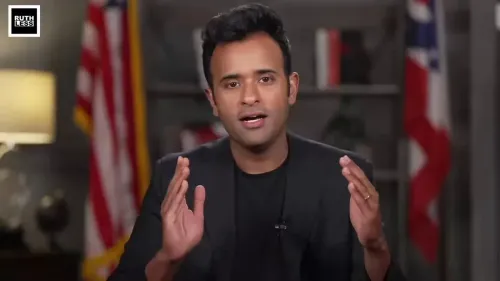
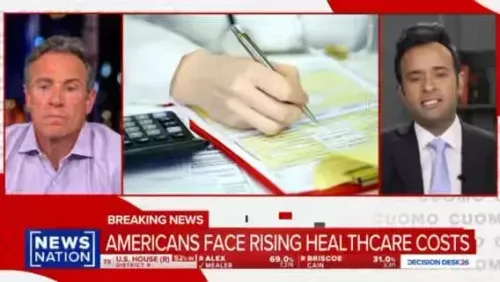
Entrepreneur Vivek Ramaswamy, founder and executive chairman of Strive Asset Management and former co-lead of the US Department of Government Efficiency (DOGE) advisory effort, on 3 June 2026 pledged to lower healthcare costs in Ohio and prosecute alleged fraudsters in the sector if elected. The message, addressed to a supporter named Cheryle, was posted on his official X handle and accompanied by a short video.
'We've got your back, Cheryle. Healthcare costs are going down in Ohio after we win and I'll start by prosecuting the fraudsters who are raising prices for everyone else,' Ramaswamy wrote, framing affordability as a top campaign promise tied to enforcement action.
Context
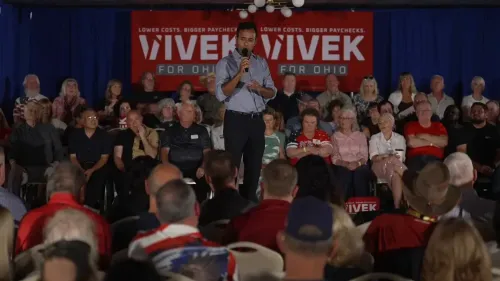
The post comes as Ramaswamy campaigns in his home state of Ohio, where he has positioned healthcare affordability as a central plank of his pitch to voters. By naming a constituent directly, he signalled a constituent-services tone alongside the broader policy commitment.
Ramaswamy first rose to national prominence as a biotech entrepreneur before launching a 2024 Republican presidential bid. He later co-led the DOGE advisory effort, which scrutinised federal spending and waste in entitlement programmes including Medicare and Medicaid.
Policy backdrop
During his 2024 presidential campaign, Ramaswamy proposed reducing healthcare expenditure through deregulation and aggressive pursuit of fraud in federal programmes. He repeatedly argued that enforcement against billing abuses could ease cost pressures on ordinary patients without expanding federal mandates.
The DOGE initiative of 2024-2025 amplified that theme, identifying waste reduction in entitlement programmes as a core priority. Anti-fraud enforcement in Medicare has historically been a bipartisan tool to rein in spending, with periodic crackdowns on upcoding, phantom billing and kickback schemes.
His latest message extends that framework to the state level, suggesting that an electoral win would translate directly into prosecutorial action against entities he describes as 'fraudsters' driving up prices.
Stakeholders and impact
The most immediate stakeholders are Ohio patients and Medicare beneficiaries, who face rising premiums, deductibles and out-of-pocket costs. Hospital systems, insurers, pharmacy benefit managers and billing intermediaries operating in the state would fall within the orbit of any expanded enforcement push.
Healthcare providers typically respond to such pledges by stressing the complexity of pricing and the role of input costs, while consumer advocates often welcome stricter scrutiny of billing practices. The targeting of 'fraudsters' rather than the broader industry leaves room for selective enforcement rather than systemic regulation.
For voters, the appeal is concrete: a promise that an election outcome will be followed by visible action on hospital and insurance bills. For the industry, the signal is that compliance scrutiny could intensify in a Ramaswamy-aligned administration.
What's next
Attention will focus on whether Ramaswamy releases a detailed Ohio-specific healthcare plan, including thresholds, target programmes and the mechanisms he intends to use against alleged fraud. State or federal prosecutorial moves targeting healthcare billing in Ohio, and any legislative proposals following the 2026 elections, will be the practical tests of the pledge.
The broader Republican pattern of linking lower premiums to anti-fraud enforcement suggests that other candidates may echo similar commitments. Whether Ramaswamy's framing translates into measurable cost relief for households will hinge on post-election execution and the willingness of state authorities to pursue cases aggressively.
Point of View
He is shifting from national policy abstraction to a constituent-services register that tends to land well in state-level races. The DOGE experience gives him a recognisable brand on waste and fraud, which he is now repurposing for healthcare. The real test will be whether enforcement, if it materialises, produces measurable premium relief or remains largely rhetorical.
NationPress
26 Sept 2026
Frequently Asked Questions
What did Vivek Ramaswamy say about Ohio healthcare costs?
He said healthcare costs in Ohio will go down after he wins and that he will begin by prosecuting alleged fraudsters who he says are raising prices for everyone else. The pledge was made in a post on X addressed to a supporter named Cheryle.
Who is Vivek Ramaswamy?
Vivek Ramaswamy is an entrepreneur, founder and executive chairman of Strive Asset Management, a 2024 Republican presidential candidate, and the former co-lead of the US Department of Government Efficiency (DOGE) advisory effort focused on federal waste and inefficiency.
What is the DOGE advisory effort?
DOGE, the Department of Government Efficiency, was a 2024-2025 advisory initiative aimed at identifying waste and inefficiency in federal spending, including entitlement programmes such as Medicare and Medicaid. Ramaswamy served as a co-lead before pivoting to electoral politics.
Why is healthcare fraud enforcement a recurring political theme?
Anti-fraud enforcement is often pitched as a way to lower costs without expanding government programmes. Republican candidates have repeatedly tied premium relief to crackdowns on billing abuses such as upcoding, phantom billing and kickback schemes in public health programmes.
What happens next after Ramaswamy's Ohio pledge?
Observers will watch for a detailed Ohio healthcare plan, any state or federal prosecutorial actions targeting billing practices, and legislative proposals after the 2026 elections that operationalise the promise of lower costs through anti-fraud enforcement.